
Structural Load Capacity of 18mm Plywood for Kitchen Cabinets & Wall Units
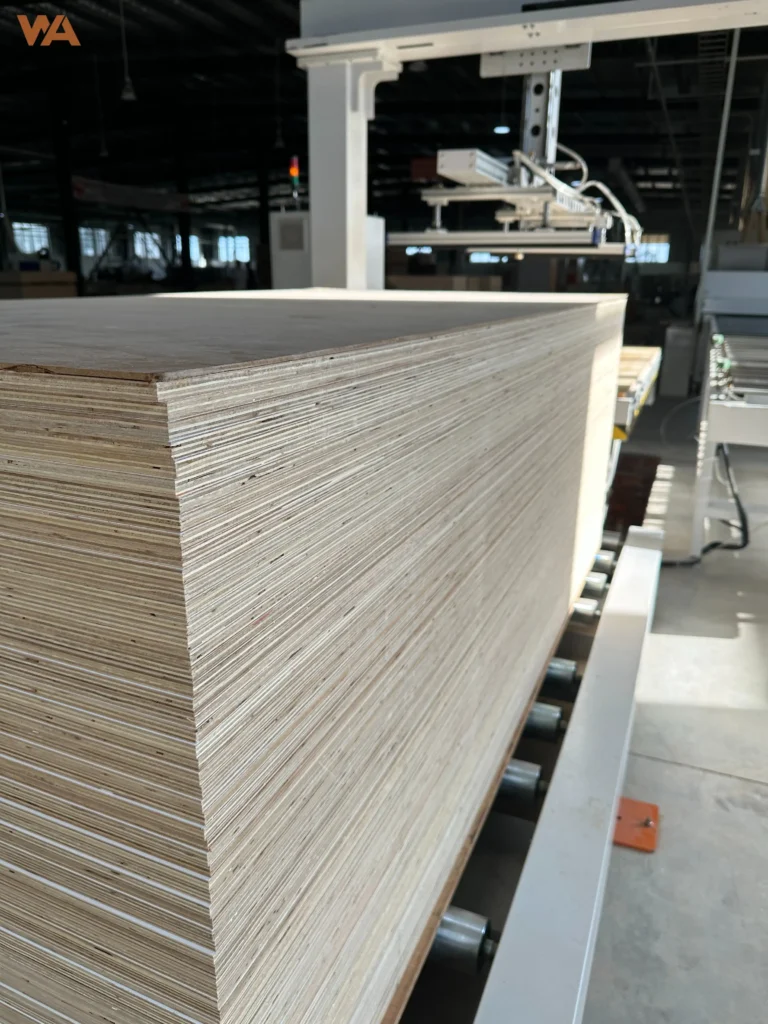
When orchestrating heavy-duty cabinetry for residential or commercial projects, appraising the structural load capacity of 18mm plywood for kitchen cabinets is critical to preventing sagging, joint failure, or ruinous wall dislodgement. Introduction Heavy quartz counter slabs, cast-iron cookware, and stacked stoneware place vast stable and dynamic forces on cabinet carcasses. While thinner 12mm or 15mm boards are sometimes applied for loose-duty backing or internal dividers, 18mm (titular 3/4 inch) engineered plywood serves as the industry benchmark for load-containing cabinet end panels, bottom stretchers, and retentive-span wall unit shelves. Understanding how wood core density, veneer layup, and span length interact under load allows architects, cabinet makers, and procurement managers to build structurally sound units that comply with external safety standards. 1. Load Capacity Breakdown: Bending Strength and Deflection Limits The morphologic performance of an 18mm plywood panel is governed by two master mechanical properties: Modulus of Rupture (MOR), which evaluates ultimate breaking strength, and Modulus of Elasticity (MOE), which measures stiffness and resistance to bending under weight. To preserve structural integrity and aesthetic alignment, kitchen cabinet shelves must comply with stern allowable deflection limits—typically siced at L/360 (where deflection does not exceed the span length divided by 360). 2. Core Species Matter: Birch vs. Eucalyptus vs. Poplar Not all 18mm panels execute equally. The mechanical load rating changes significantly based on the density and ply count of the internal core veneers. Core Timber Type Average Density Typical Ply Count (18mm) MOE Rating (Stiffness) Best Cabinet Application Full Birch Core ~680–700 kg/m³ 13 to 15 plies Very High (>10,500 MPa) Heavy stone vanities, wide-span wall units Eucalyptus / Hardwood ~580–620 kg/m³ 9 to 11 plies High (~8,800–9,500 MPa) Heavy-duty base cabinets, commercial carcasses Poplar Core ~450–500 kg/m³ 7 to 9 plies Moderate (~6,500–7,200 MPa) Standard residential carcasses, light storage 3. Engineering Heavy-Duty Wall Units: Fastener & Cleat Performance For attending wall cabinets, structural safety depends as much on screw-holding capacity and rearward cleat construction as it does on panel thickness. 4. Key Rules for Maximizing Span & Weight Capacity Conclusion Specifying the correct structural load capacity of 18mm plywood for kitchen cabinets ensures that wall hung units and heavy base carcasses perform reliably over decades of use. By combining gamy-density hardwood or birch core panels with proper span calculations and reinforced rear mounting cleats, cabinet manufacturers can eradicate drooping and guarantee morphologic safety for demanding commercial and residential installations.
Waterproof Plywood for Kitchen and Bathroom Cabinets: Selecting the Right Resin and Core for High-Humidity Areas
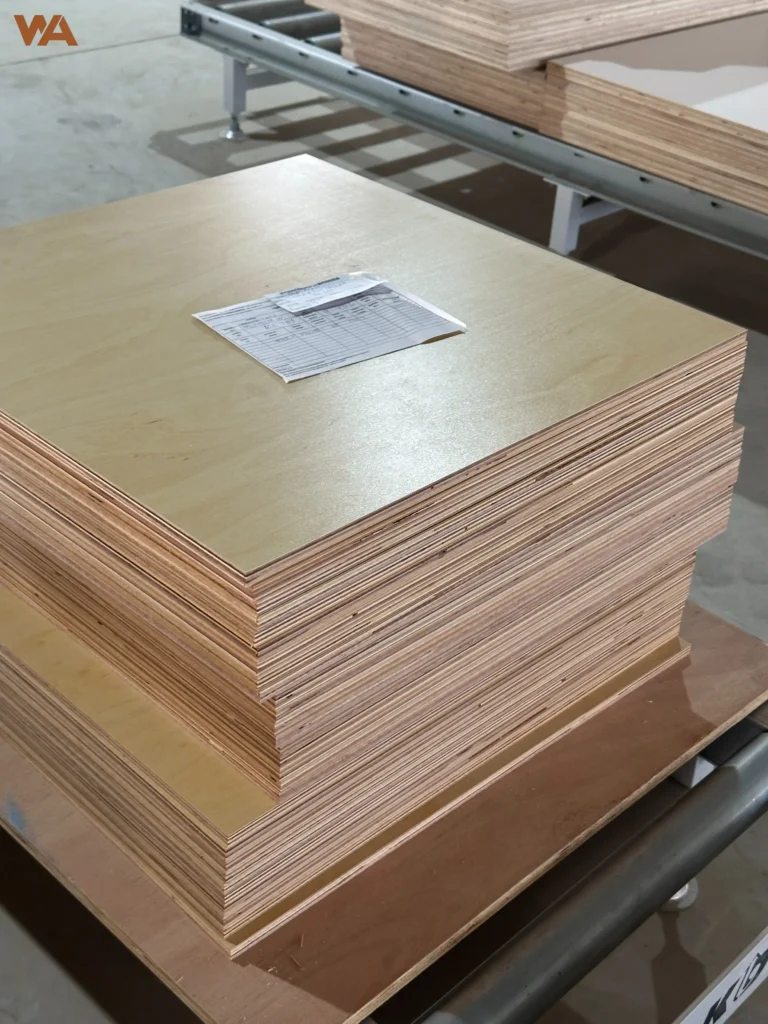
For kitchen and bathroom cabinetry manufacturers, specifying true waterproof plywood for kitchen and bathroom cabinets requires choosing the ripe adhesive resins and moisture-resistive timber cores to prevent swelling, mold growth, and delamination in high-humidity environments Introduction Kitchen sink bases and bathroom vanity units control under demanding moisture conditions. Constant exposure to steam, ambient humidity, and localized water spills can quickly compromise low-grade panels, leading to costly warranty claims and damaged brand reputation. While received commercial plywood may suffice for dry living room furniture, wet-area cabinetry demands masterminded boards specifically formulated for water resistance and structural stability. 1. Resin Selection: The Adhesive Foundation The adhesive layer determines whether a panel can withstand moisture without delaminating. Choosing the correct resin is the first line of defense in high-humidity cabinetry applications. WBP Phenolic Resin (Weather and Boil Proof) Phenolic resin creates lasting, irreversible chemical bonds between veneer sheets. Panels bonded with literal WBP phenolic adhesive can withstand boiling water tests without delaminating. It is the gold standard for under-sink cabinets, outdoor cabinetry, and high-moisture bathroom environments. Melamine-Modified Urea Resin (MUF) MUF resin offers ranking moisture resistance compared to standard MR (Moisture Resistant) glue at a competitive price point. It can endure cold-water immersion and gamy humidity, making it an excellent cost-effective choice for general kitchen carcass components that do not face lineal, protracted standing water. MR Glue (Moisture Resistant / Urea-Formaldehyde) — Use with Caution Despite its name, received MR glue is only humidity-resistant, not waterproof. Prolonged exposure to liquid water or steam will break down the urea-formaldehyde bond, leading to layer separation. MR-adhered panels should be avoided in stiff zones like sink bottoms or vanity bases. 2. Core Timber Species: Density and Dimensional Stability The core timber dictates how well the panel protests thickness swelling and holds mechanical fasteners when exposed to humidity. 3. Resin & Core Performance Matrix Glue Type Recommended Core Water Resistance Level Target Cabinet Application WBP Phenolic Eucalyptus / Birch / Hardwood 100% Marine Grade / Waterproof Kitchen Sink Bases, Bathroom Vanities Melamine MUF Combi (Poplar/Eucalyptus) High Moisture Resistant Upper Kitchen Cabinets, Pantry Units Standard MR Poplar Core Low / Dry Interior Only Bedroom Wardrobes, Shelving 4. Manufacturing & Finishing Best Practices for Cabinet Makers Even high-grade waterproof plywood involves proper handling during cabinet fabrication: Conclusion Delivering durable kitchen and bathroom cabinetry trusts on choosing the right combination of resin and core. By specializing WBP phenolic or melamine-qualified adhesives coupled with gamy-density hardwood or combi cores, manufacturers can make high-performance units that withstand ambient steam and moisture for years.
Top 5 Plywood Defects (Delamination, Core Voids, Warping) and How Premium Manufacturers Prevent Them
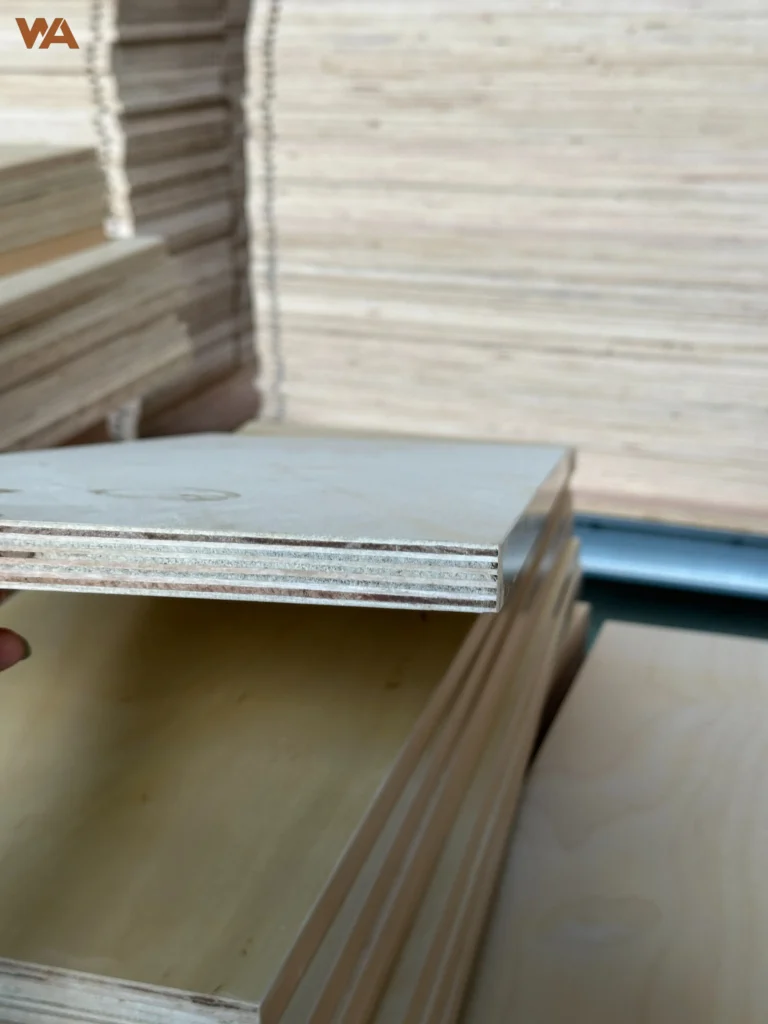
For external importers, distributors, and furniture manufacturers, structural integrity is paramount. Sympathizing common plywood defects delamination core voids distorting and how premium manufacturers prevent them is essential for sourcing high-grade engineered wood products that resist demanding applications. Introduction In global timber trading, receiving a batch of compromised plywood can severely affect project timelines, brand reputation, and bottom-line profitability. While engineered wood extends superior stability compared to solid timber, manufacturing oversights can innovate serious structural and visual flaws. By understanding the root causes of major quality issues and distinguishing the technical protocols used by top-tier manufacturers, B2B buyers can make informed procurement decisions and establish stringent quality assurance checklists. The Top 5 Plywood Defects & Their Causes 1. Delamination (Glue-Line Failure) 2. Core Voids & Overlaps 3. Warping & Cupping (Panel Distortion) 4. Surface Telegraphing & Face Cracking 5. Thickness Variations & Edge Splitting Summary Comparison Matrix Defect Type Primary Risk Factor Quality Control Standard Delamination Adhesive breakdown / High moisture EN 314-2 Class 3 / WBP phenolic test Core Voids Manual core lay-up gaps Full structural integrity / Seamless core composer Warping Asymmetrical structure / Moisture imbalance Symmetrical construction & 8–12% MC Telegraphing Rough substrate under thin veneer Calibrated barrier ply + Dual-stage sanding Thickness Variation Uneven pressing force / Platen wear CNC tolerance control (±0.2mm – ±0.3mm) Conclusion & Buyer Checklist Preventing panel failure begins at the source. When selecting a plywood supplier, importers should be speak factory audit reports, assert adhesive specifications (such as CARB ATCM Phase 2 / EPA TSCA Title VI compliance), and mandate pre-shipment quality inspection protocols.
Total Cost of Ownership (TCO) in Plywood Sourcing: Beyond the FOB Unit Price
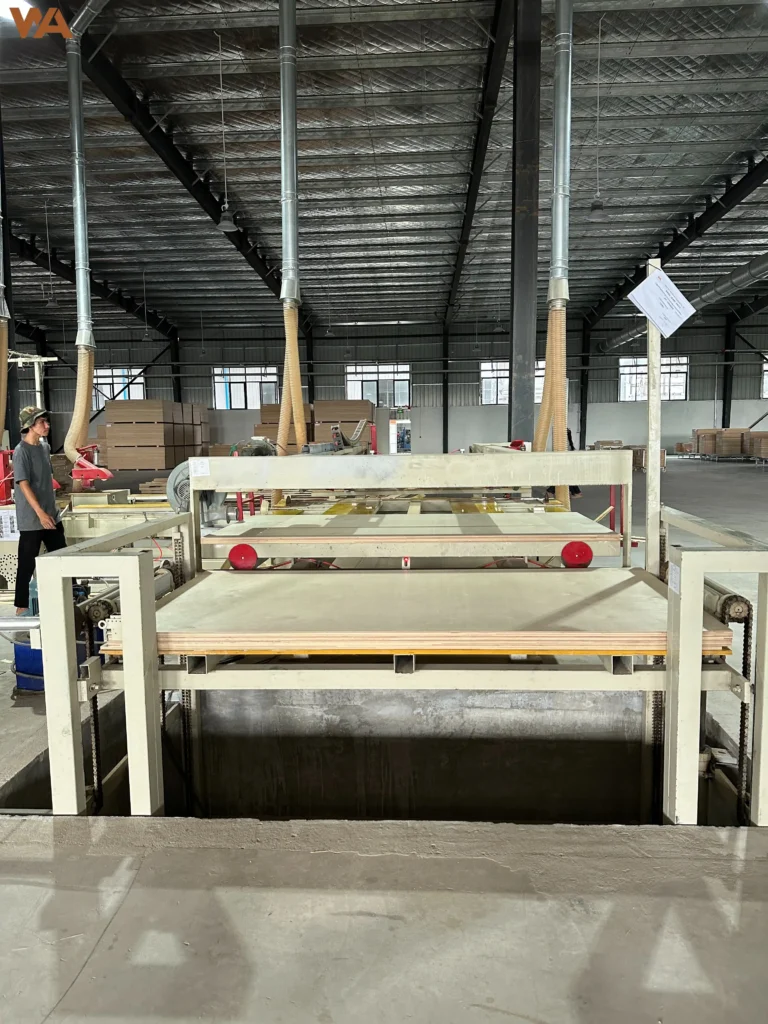
For high-volume B2B panel buyers, cabinet manufacturers, and globose timber distributors, focusing solely on the FOB unit price is a common procurement trap. While a lower initial quote may seem attractive on a purchase order, hidden supply chain expenses, material waste, and quality defects can drastically amplify your final landed expenses. Evaluating the total cost of ownership (TCO) in plywood sourcing allows procurement managers to look beyond upfront sticker prices and assure long-term profitability. Understanding true bringed value requires analysing hidden cost drivers across the intact sourcing cycle—from factory production floor to final installation. 1. The TCO Matrix: Deconstructing Plywood Procurement Costs To estimate honest fiscal impact, procurement teams must divide their costs into three distinct phases: Pre-Purchase, Logistics, and Post-Processing. Cost Phase Key Expenses Hidden Risk Factors Pre-Purchase (Product) FOB Invoice Price, Glue Grade, Core Specs Cheap filler cores, core voids, thin face veneers Logistics & Import Ocean Freight, Duties, Customs Clearances Freight container re-weigh fines, transit mold Post-Processing (Factory) Machine Wear, Scrap Rates, Customer Returns Delamination, core overlap damaging CNC bits 2. The Three Hidden Cost Drivers in Low-Cost Plywood 1. Internal Core Voids and CNC Downtime Low-cost commercial panels often use hand-rested cores with interior gaps or overlaps. When these panels are litigated on high-speed CNC machinery, hidden internal voids cause edge chipping and short screw-holding capacity. Tough, overlapping core veneers create spotty thickness that damages expensive router bits and causes unexpected machine downtime. 2. Moisture Control and Transit Mold A factory might offer a lower price by hotfooting the drying process, providing veneer moisture levels above 12%. During retentive ocean transit across varying climate zones, trapped moisture creates condensation inside the container. This leaves to rise mold, look staining, and panel transfusing—resulting in entire container loads being rejected upon arrival. 3. Container Weight Caps and Ocean Freight Efficiency Ocean freight rates are calculated per container, but road weight limits prescribe how many panels you can legally hale. Choosing a panel with discrepant density or improper moisture levels represses the entire sheet count you can fit into a 40HQ container before hitting highway axle caps, significantly increasing your freight cost per sheet. 3. Calculating Your True Landed Cost A naturalistic model for the total cost of ownership (TCO) in plywood sourcing must account for factory yield rates and defect costs: True Landed TCO = (Purchase Price + Freight & Duties + Processing Scrap Costs) / (1 – Defect Rate) For example, a panel that costs $18 FOB with a 10% factory defect rate actually costs more per useable sheet than a $20 premium Full-Core No-Gap panel with a 0% defect rate. 4. Checklist for Optimizing Sourcing TCO When negotiating with external suppliers, lower your total risk profile by bespeaking these verified manufacturing standards: Conclusion Low FOB unit prices rarely transform to high profitability. By acquiring a comprehensive approach to the total cost of ownership (TCO) in plywood sourcing, B2B buyers can eradicate shrouded processing waste, protect their machinery, and secure coherent, high-yield masterminded panels for their manufacturing operations.
Birch-Faced Eucalyptus Core Plywood: The Smart Hybrid Solution for High-End Cabinet and Furniture
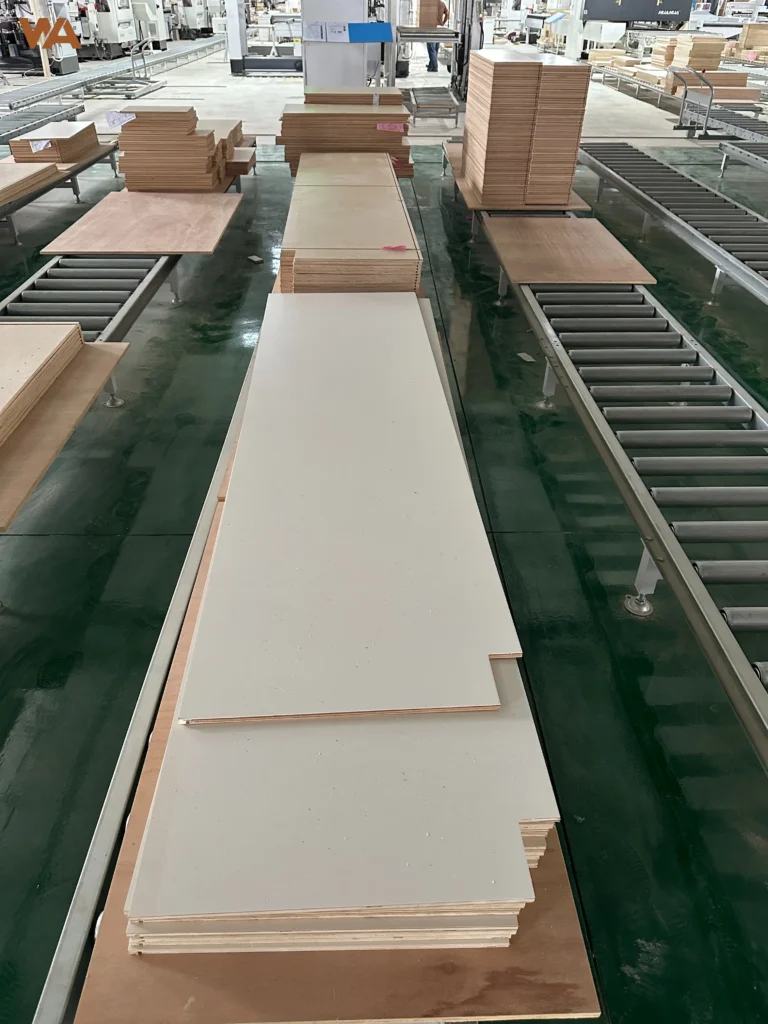
US furniture manufacturers, cabinet shops and architectural woodwork studios face a growing tension between design standards and new material costs. While Baltic Birch has long been the gold standard for gamy-end cabinetry and minimalist US designs, shifting global supply chains and rising import costs have thrusted buyers to seek smarter alternatives. Enter birch-fronted eucalyptus core plywood—the ultimate hybrid engineered panel designed to meet rigorous aesthetic requirements while optimising production budgets. 1. What Is Birch-Faced Eucalyptus Core Plywood? This hybrid panel combines a face and back of natural European or Russian Birch veneer with a high-density, cross-banded eucalyptus inner core. Outer Layer (Birch Veneer): Delivers the iconic fine-grained, pale aesthetic involved for premium US furniture, clear CNC edge profiles, and clear-coat finishing. Inner Core (Eucalyptus Hardwood): Provides superior deflecting strength, high density (≈ 620 – 680kg/m³), and particular screw-holding capability. By pairing a premium visual surface with a fast-developing, morphologic hardwood core, manufacturers achieve a high-end panel without the premium price tag of a 100% solid birch construction. 2. Performance Comparison: Solid Baltic Birch vs. Birch-Eucalyptus Hybrid Property 100% Baltic Birch Birch-Eucalyptus Hybrid Surface Appearance Grade A/B Birch Grade A/B Birch Core Density ≈ 680 – 700kg/m³ ≈ 620 – 680kg/m³ Bending Strength (MOE) High High Screw-Holding Capacity Exceptional Exceptional Cost Efficiency Premium 25% – 35% Savings Key Advantages for Gamy-End Furniture Production: Weight Optimization: Eucalyptus furnishes structural rigidity while slightly reducing total panel weight equated to full birch, depressing shipping costs and easing hardware loads on soft-close hinges. Flawless Machining & Routing: The fine-grained birch face prevents surface nicking during high-speed CNC routing and panel sawing. Balanced Dimensional Stability: Eucalyptus veneers arranged in alternating orthogonal layers cancel out natural internal tension, keeping retentive cabinet doors flat over time. 3. Sustainable Sourcing for the US Market Sustainability and regulative compliance are top priorities for US furniture brands navigating regulations like the CARB and EPA. Eucalyptus is arised in responsibly managed plantation forests with short harvest cycles. Utilizing plantation eucalyptus for the bulk of the panel’s volume significantly reduces pressure on slow-growing natural birch forests while maintaining full FSC (Forest Stewardship Council) chain-of-custody transparency. 4. Technical Checklist for Buyers When specifying hybrid birch-eucalyptus panels for US furniture and cabinet manufacturing, verify the following factory parameters: Conclusion Adapting to market shifts doesn’t mean sacrificing design integrity. By commingling a natural birch face with a robust, plantation-arised eucalyptus core, birch-faced eucalyptus core plywood offers US furniture and cabinet manufacturers the ideal balance of beauty, morphologic performance, and cost efficiency.
Baltic Birch Alternative: Why Eucalyptus & Rubberwood Core Plywood Is the High-Value Choice
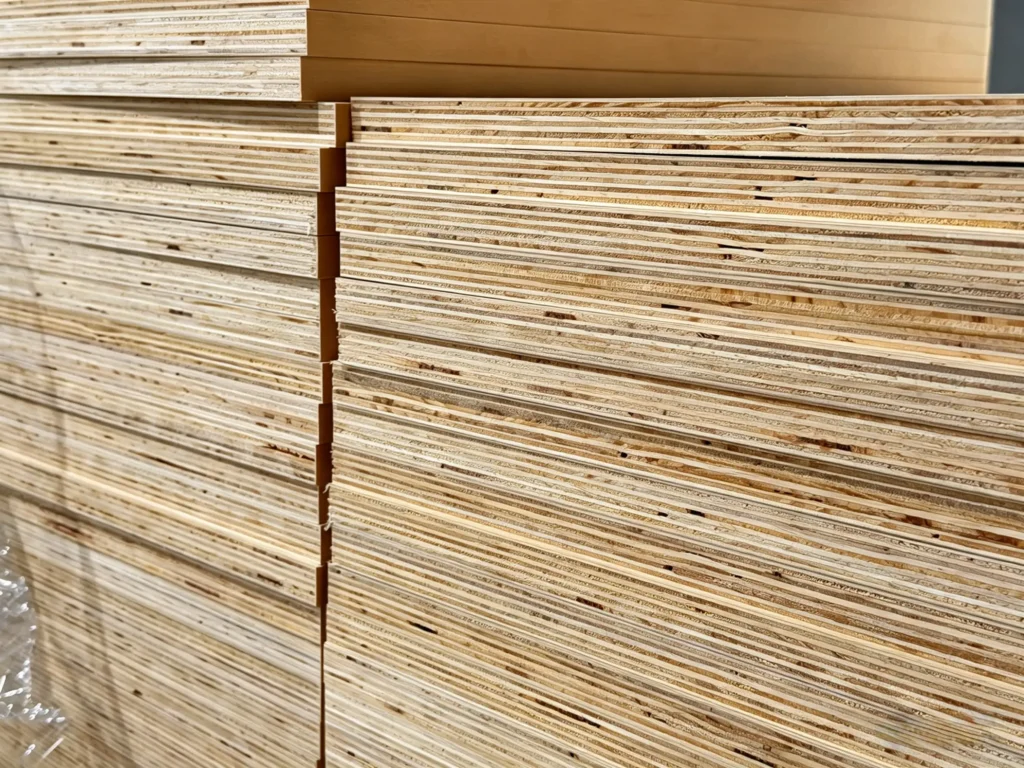
Global furniture manufacturers, cabinetry shops, and industrial wood buyers face a major supply chain challenge: finding a reliable, cost-effective Baltic Birch alternative. For decades, Baltic Birch set the standard for core stability, void-free multi-layer construction, and high screw-holding power. However, geopolitical supply disruptions and steep import tariffs have pushed buyers toward high-performance, sustainable engineered wood alternatives. High-density eucalyptus and rubberwood core plywood has emerged as the premier choice for global B2B buyers seeking maximum structural performance at an optimal price point. 1. The Baltic Birch Supply Shift: Why the Market Needs an Alternative Baltic Birch gained its reputation due to its dense, uniform birch veneers and 100% void-free cross-banded core. However, recent international trade restrictions and changing forestry laws have drastically reduced global availability. According to global trade data published by the International Tropical Timber Organization (ITTO), shifting timber supply chains have driven B2B importers to diversify toward plantation-grown tropical and sub-tropical hardwoods that match or exceed traditional structural metrics while offering more stable supply pipelines. 2. Physical & Mechanical Performance: Eucalyptus-Rubberwood vs. Baltic Birch Combining fast-growing Eucalyptus (known for its high density and bending strength) with Rubberwood (celebrated for its uniform cell structure and dimensional stability) creates a hybrid core panel that delivers outstanding mechanical characteristics. Structural Property Baltic Birch Eucalyptus/Rubberwood Hybrid Average Density ≈680 – 700kg/m³ ≈620 – 680kg/m³ Screw-Holding Strength (Face/Edge) Exceptional High to Exceptional Void-Free Core Options Yes (BB/BB Grade) Yes (Combi / Full-Core No-Gap) Moisture Resistance (WBP Glue) High High Cost-Efficiency Low (Premium Cost) High (30% – 40% Cost Savings) Core Advantages of the Eucalyptus-Rubberwood Hybrid Matrix: 3. Economic Impact: Lower Landed Costs and Sustainable Sourcing For high-volume furniture factories and commercial millwork shops, material costs directly impact profit margins. 4. B2B Selection Checklist for Hybrid Core Panels When sourcing eucalyptus and rubberwood core panels for your production line, request the following factory specifications: Conclusion Transitioning to high-density eucalyptus and rubberwood core plywood is a strategic move that addresses supply chain risks without sacrificing product quality. By offering near-identical screw-holding power, high dimensional stability, and significant cost savings, hybrid core panels have proven themselves as the ultimate high-value Baltic Birch alternative for the global woodworking industry.
Cross-Banding Technology: Why Plywood Resists Warping Better Than Solid Wood
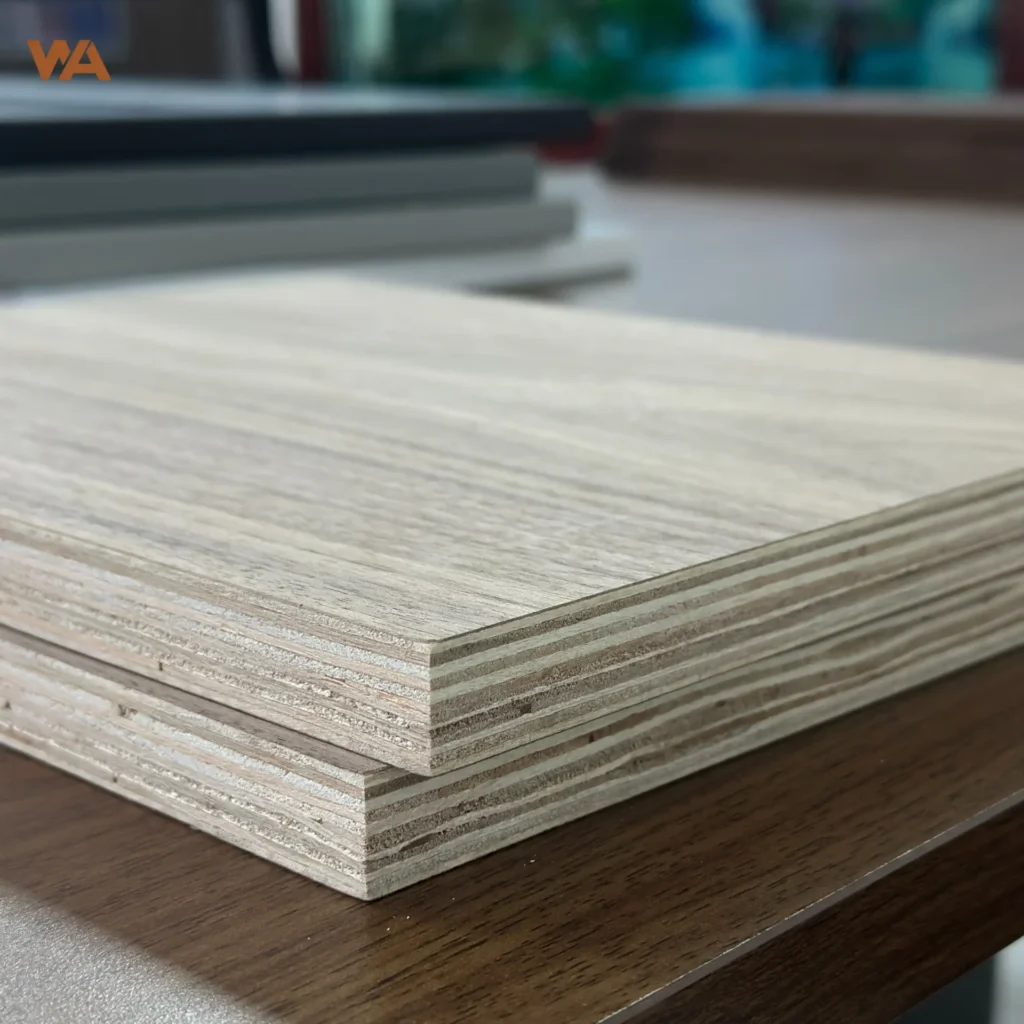
For furniture manufacturers, cabinet makers, and commercial contractors, dimensional stability is the ultimate test of material quality. When building large cabinet doors, structural shelving, or expansive wall paneling, using traditional solid wood often comes with a major hidden risk: warping, cupping, and splitting. While solid wood carries a natural aesthetic appeal, its internal cell structure reacts dynamically to humidity and temperature fluctuations. To overcome this limitation, modern engineered wood relies on a foundational mechanical principle known as cross-banding technology. This guide explores the engineering mechanics behind cross-banding and explains why multi-layer plywood outperforms solid lumber in high-stress applications. 1. The Anatomy of Solid Wood vs. Multi-Layer Plywood To understand why solid wood twists and bends, you have to look at how a tree grows. 2. How Cross-Banding Technology Neutralizes Wood Stress The genius of cross-banding lies in how it counteracts natural wood movement through mechanical opposition. 3. Key Mechanical Benefits for B2B Applications Implementing cross-banded multi-layer panels in your production lines yields distinct structural advantages over solid lumber: Performance Metric Solid Lumber Cross-Banded Plywood Warp Resistance Low (susceptible to cupping and bowing) Exceptional (fibers lock movement) Dimensional Stability Fluctuates significantly with humidity High (maintains tight tolerances) Load-Bearing Span Prone to sagging over wide spans Superior (distributes weight uniformly) Machining Consistency Grain runout can cause splintering Uniform (smooth routing in all directions) 4. Why Manufacturing Precision Matters Not all multi-layer boards offer the same level of stability. The effectiveness of cross-banding technology depends heavily on factory execution: Conclusion Solid wood will always hold a classic place in artisanal furniture design, but for modern industrial manufacturing, architectural millwork, and high-volume cabinet production, cross-banding technology provides unmatched structural reliability. By neutralizing natural wood movement through orthogonal layering, multi-layer plywood delivers the flat, stable, and durable foundation that global B2B buyers demand.
Importer’s Guide: How to Calculate Plywood CBM and 40HQ Container Plywood Loading Capacity
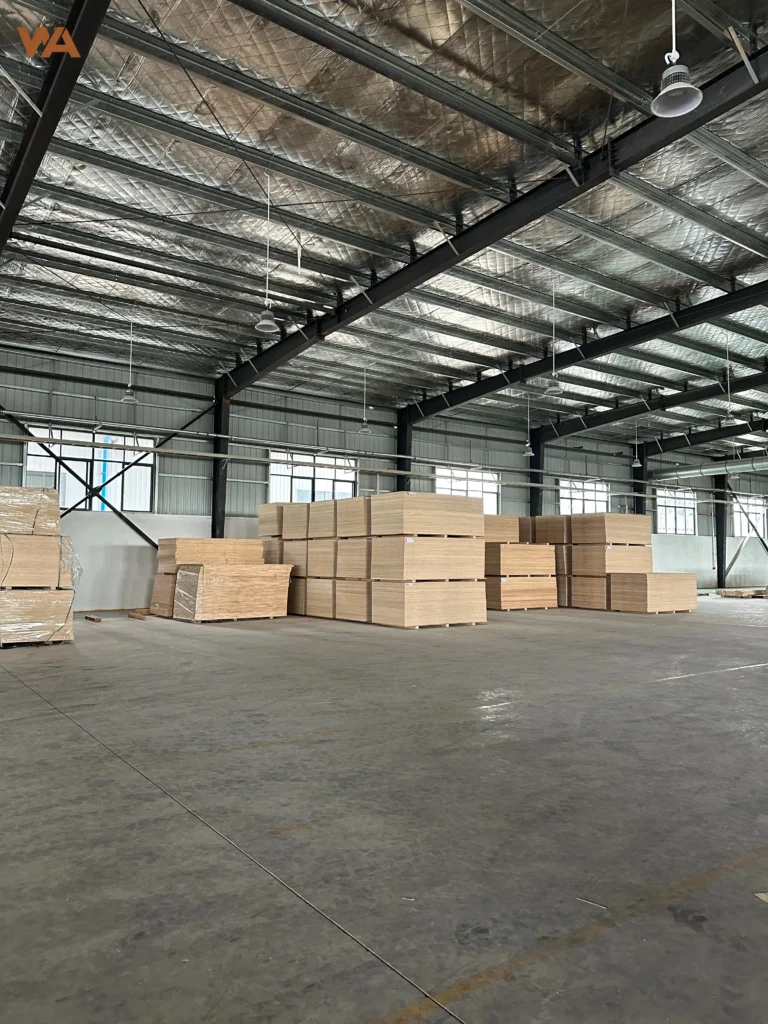
For international B2B importers and wholesale distributors bringing plywood into the United States, logistics management goes far beyond calculating cubic volume. While fitting physical panels into a 40-foot High Cube (40HQ) container is essential, navigating strict US state and federal highway weight limits is the ultimate key to avoiding costly transloading, heavy fines, or port delays. This guide breaks down how to calculate the Cubic Meters (CBM) of plywood and optimize your container loading while strictly adhering to US road regulations. 1. Understanding the Core Formula: How to Calculate Plywood CBM Before estimating container loading, you must calculate the exact volume (CBM) of a single plywood sheet and an entire pallet stack. The standard mathematical formula for calculating the CBM of a single sheet of plywood is: CBM per sheet = Length (mm) × Width (mm) × Thickness (mm) ÷1,000,000,000 Example Calculation: To find the total volume of a pallet, multiply the individual sheet CBM by the total number of sheets packed in that specific pallet. 2. The Golden Rule for US Imports: US Highway Weight Limits vs. Container Payload While a 40HQ container has an international maximum payload capacity of roughly 28,000 kg (≈ 61,700lbs), you can rarely load to this maximum limit when shipping heavy wood products to the United States. 3. Pallet Configuration and US Port Logistics How your plywood is packed affects both your volumetric efficiency and your compliance with US domestic drayage rules. 4. Quick Reference: Estimated 40HQ Loading Quantities for the US Market Note: Estimates based on standard 1220 × 2440 mm optimized core plywood panels, palletized, engineered to safely stay under US inland trucking payload limits while loading 750 sheets of 18 mm. Thickness Total Sheets (Approx.) Total Volume (CBM) Total Cargo Weight (Approx.) US Trucking Status 9mm ≈ 1,400 sheets ≈ 30.1 CBM ≈38,000 lbs Safe for standard chassis 12mm ≈1,050 sheets ≈ 30.3 CBM ≈40,000 lbs Optimal highway load 15mm ≈ 850 sheets ≈ 34.2 CBM ≈41,500 lbs Optimal highway load 18mm ≈ 750 sheets ≈ 40.2 CBM ≈422,000 lbs Engineered standard load 25mm ≈ 500 sheets ≈ 44.6 CBM ≈42,500 lbs Reaches weight cap first 5. Pro-Tips for US Importers to Avoid Overweight Penalties Conclusion Calculating plywood volume is only half the battle when importing into the United States. By designing your shipping volume around US highway weight caps rather than maximum container dimensions—and sourcing specialized panels built to load up to 750 sheets of 18 mm per 40HQ—you can maximize shipping efficiency, cut landed costs per sheet, and protect your supply chain from expensive port detentions and overweight penalties.
How to Choose a Reliable Plywood Supplier: 5 Core Metrics for B2B Buyers
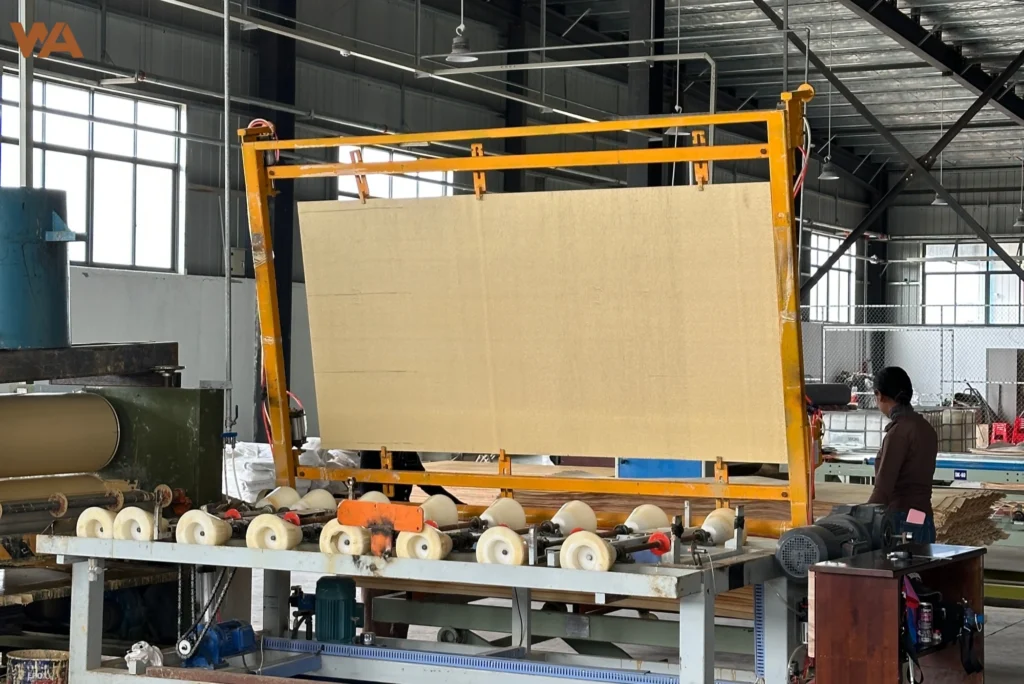
For international B2B buyers, importers, and construction contractors, sourcing high-grade plywood goes beyond simply comparing price quotations. Partnering with the wrong supplier can lead to disastrous shipment delays, customs rejections due to non-compliant formaldehyde emissions, or structural failures on the job site. To safeguard your supply chain and protect your brand reputation, you must rigorously vet potential manufacturing partners. Here are the 5 core metrics every B2B buyer must evaluate when choosing a reliable plywood supplier. 1. Production Capacity and Vertical Integration A supplier’s ability to scale output without compromising lead times is the bedrock of a stable business relationship. 2. Strict Quality Control (QC) Protocols In the wood products industry, minor inconsistencies in core assembly or glue application can ruin an entire container of panels. 3. Regulatory Compliance and Environmental Certifications Navigating international trade laws requires zero tolerance for non-compliant materials, particularly regarding environmental and safety standards. 4. Export Packaging and Logistics Expertise A product manufactured to perfection is worthless if it arrives at your warehouse warped, water-damaged, or structurally compromised due to poor handling. 5. Communication Efficiency and After-Sales Support B2B trade relies heavily on seamless coordination across different time zones, languages, and technical specifications. Summary Checklist for B2B Evaluation Evaluation Metric What to Look For Red Flags to Avoid Production Capacity Direct factory, modern machinery, stable lead times Vague facility locations, outsourced manufacturing loops Quality Control Multi-stage testing, clear grading rules (BB/CC, etc.) High tolerance variances ($> \pm 0.5\text{ mm}$), missing test data Compliance CARB P2, TSCA Title VI, FSC certificates Inability to provide third-party environmental test reports Logistics Robust export palletizing, optimized container loading Loose stacking, unprotected edges, frequent transit damage Communication Technical fluency, rapid quote turnarounds, clear English Slow response times, evasive answers regarding core materials Conclusion Choosing the right plywood supplier is a strategic investment in your operational stability. By systematically auditing potential partners against these five core metrics—production power, rigorous QC, legal compliance, export packaging, and communicative professionalism—you can filter out unreliable vendors and secure a dependable, long-term manufacturing partner for your business.
How to Choose Premium Plywood for Cabinet Manufacturing: Flatness and Screw-Holding Power Explained
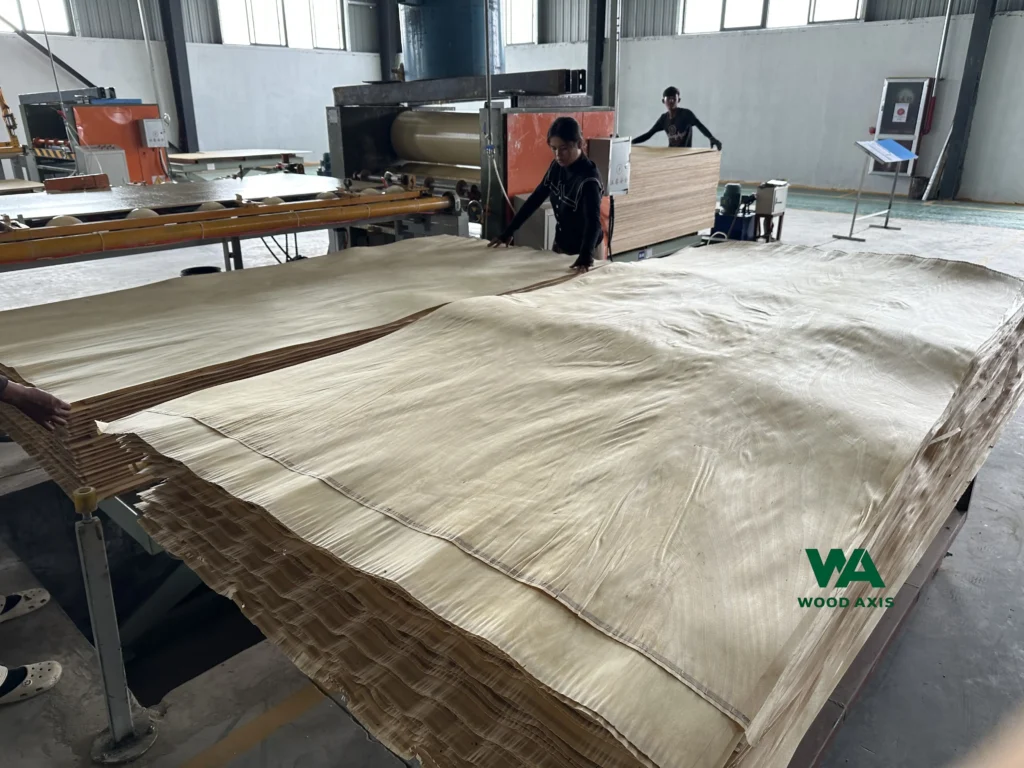
In high-end kitchen and bathroom cabinet manufacturing, the quality of your internal structure dictates the lifespan of the final product. While surface aesthetics like wood veneers or decorative laminates capture the initial attention of buyers, the core substrate determines whether cabinets will warp, sag, or fail under heavy hardware loads. For B2B importers, furniture brands, and custom millwork shops, sourcing the right plywood requires looking beyond the surface. Two critical technical metrics define premium cabinet panels: panel flatness and screw-holding power. 1. Panel Flatness: The Foundation of Seamless Cabinetry Cabinet doors, side panels, and long structural spans demand absolute dimensional stability. If a core board warps or bows during manufacturing or after installation, doors will misalign, and face frames will twist. 2. Screw-Holding Power: Ensuring Structural Integrity Cabinets endure constant mechanical stress. From heavy granite and quartz countertops resting on base cabinets to hinges supporting dynamic, swinging doors, the structural stability relies entirely on how well the plywood grips fasteners. 3. Key Specifications to Evaluate When Sourcing Cabinet Plywood When reviewing product catalogs or requesting factory samples for your next cabinet project, pay close attention to these technical parameters: Specification Optimal Parameter Impact on Cabinetry Core Structure Full hardwood / Eucalyptus multi-layer core Maximizes load-bearing capacity and prevents sagging over long spans. Thickness Tolerance ±0.2 mm Ensures precise dado joints and tight grooves during assembly. Face/Back Veneer Grade BB/CC or custom furniture grade (e.g., White Oak, Birch) Provides a flawless canvas for painting, staining, or laminating. Glue Bond Type WBP (Water Boiled Proof) / Melamine glue Protects against humidity in kitchen and bathroom environments. Conclusion Selecting the right plywood is a balancing act between structural physics and cost-efficiency. By prioritizing dimensional stability, precise thickness tolerances, and exceptional screw-holding capacity, cabinet manufacturers can significantly reduce production defects and deliver durable, premium-grade products to the market. Partnering with a reliable, vertically integrated manufacturer ensures consistent quality batch after batch, protecting your brand’s reputation in competitive global markets.