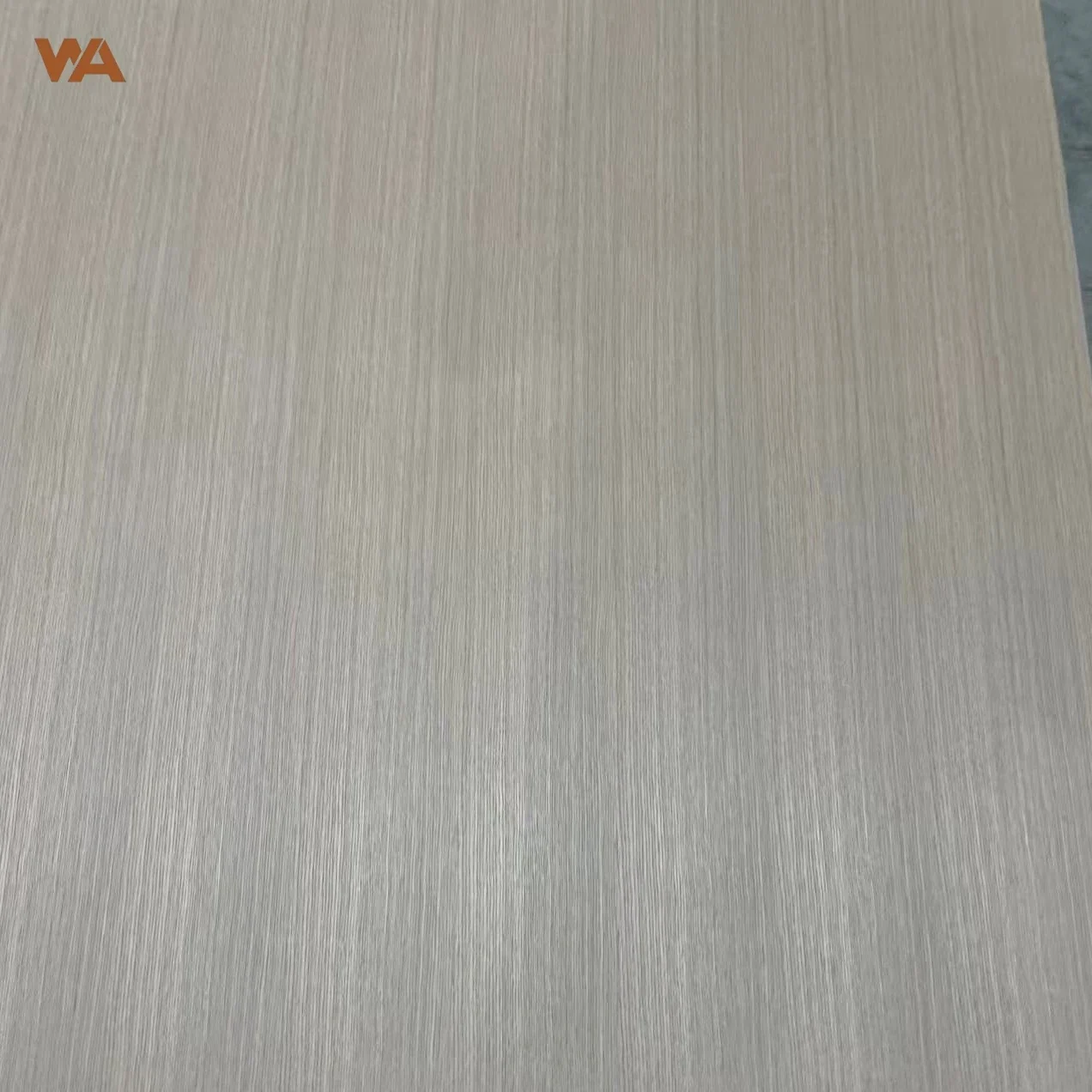
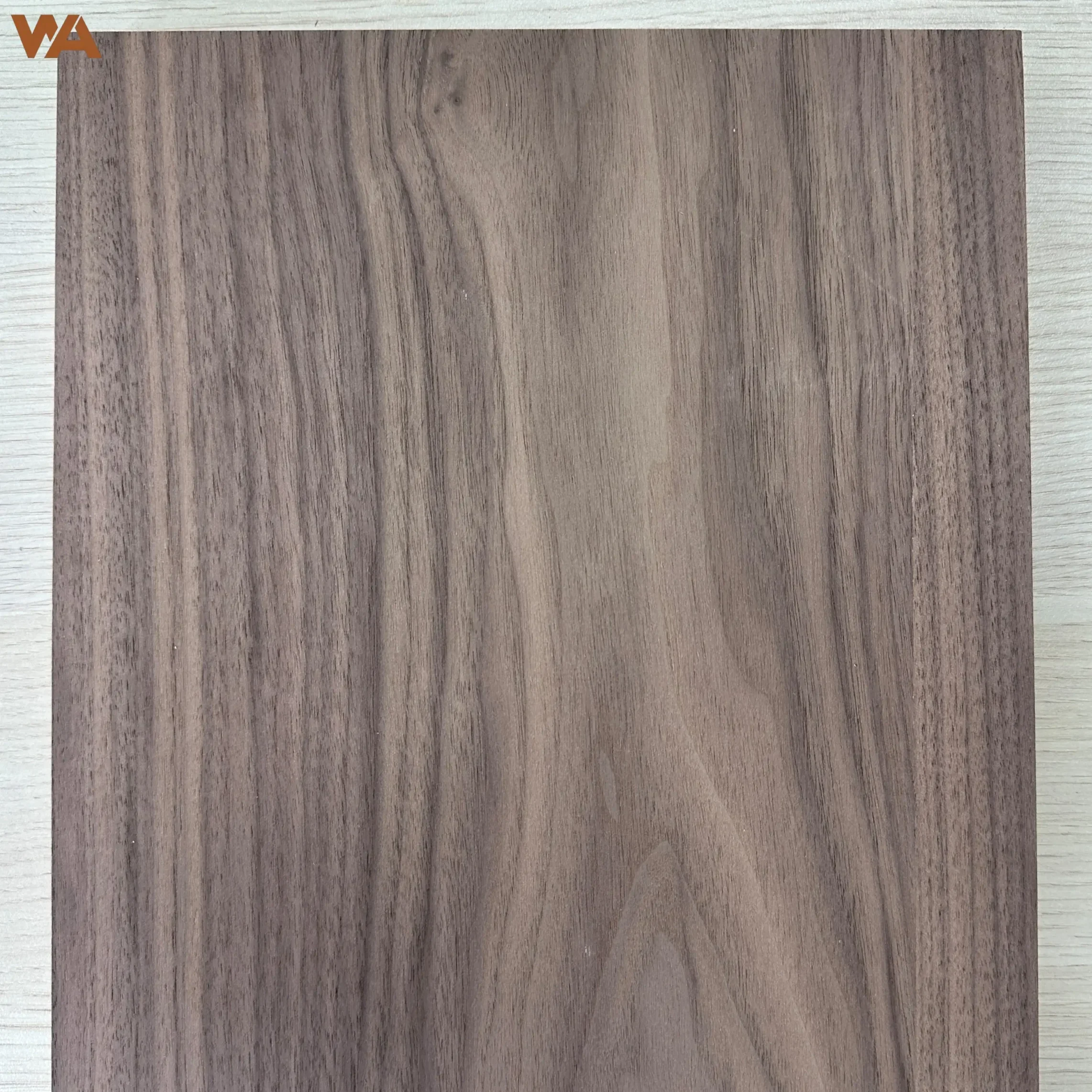
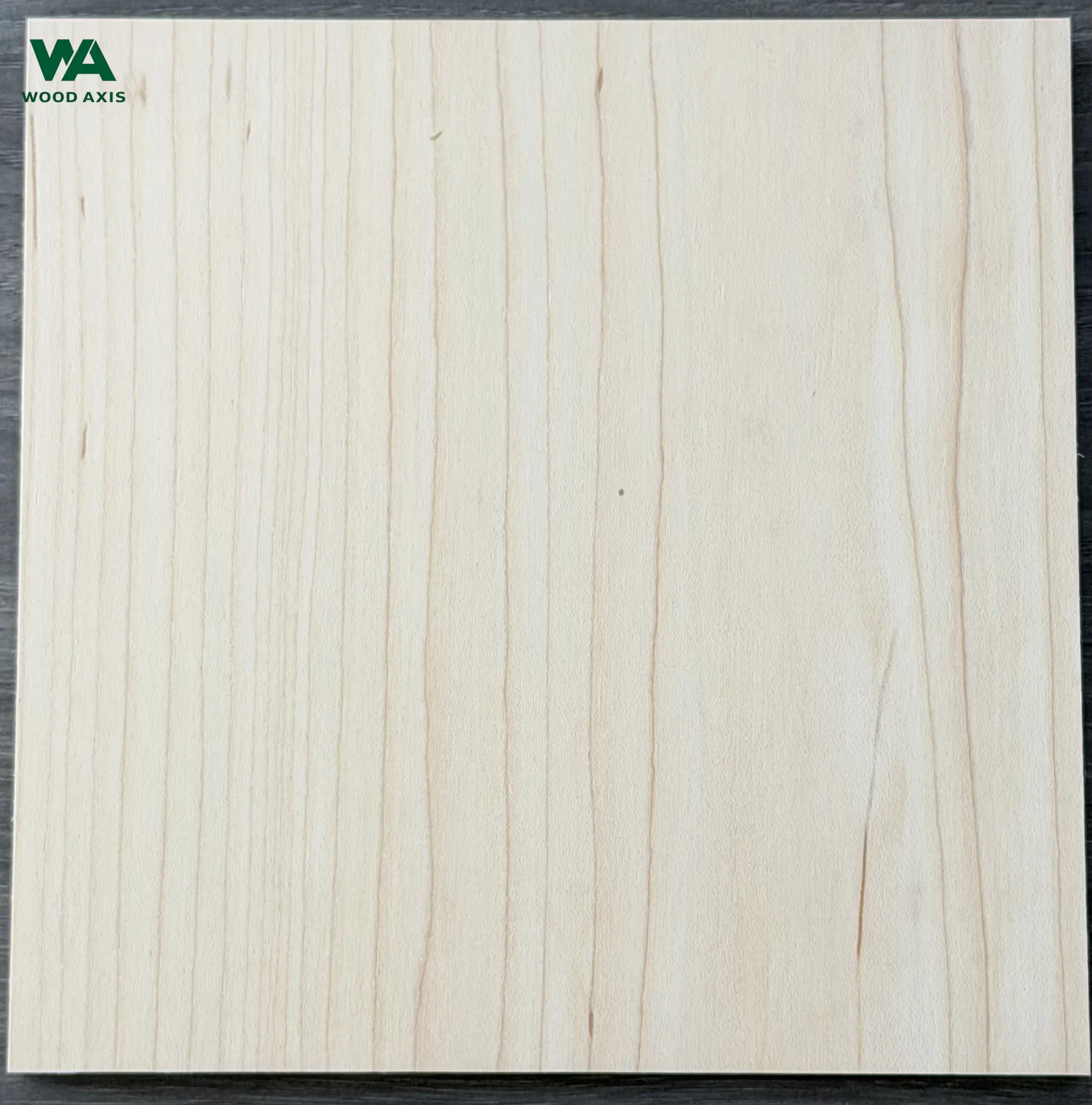
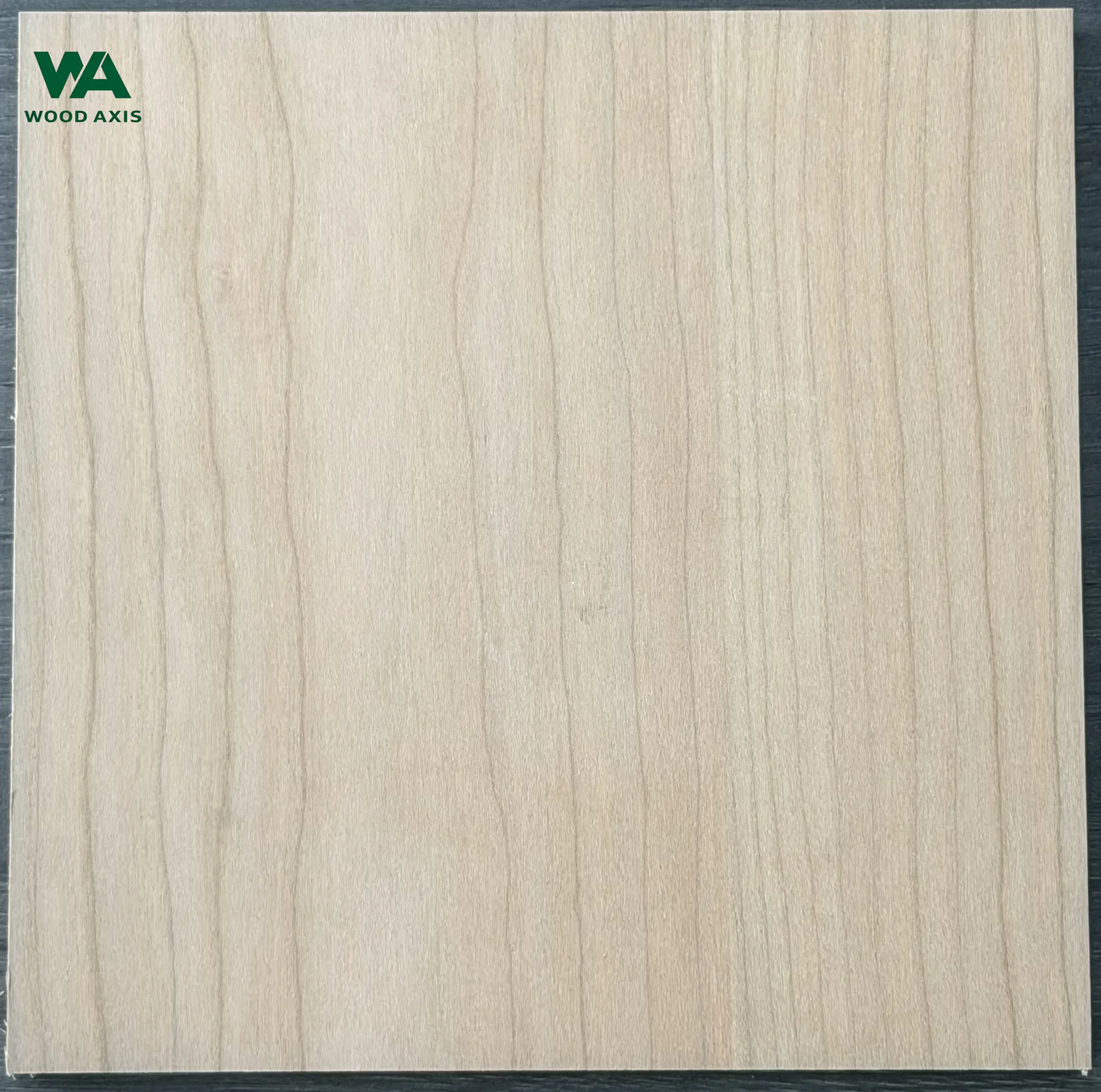
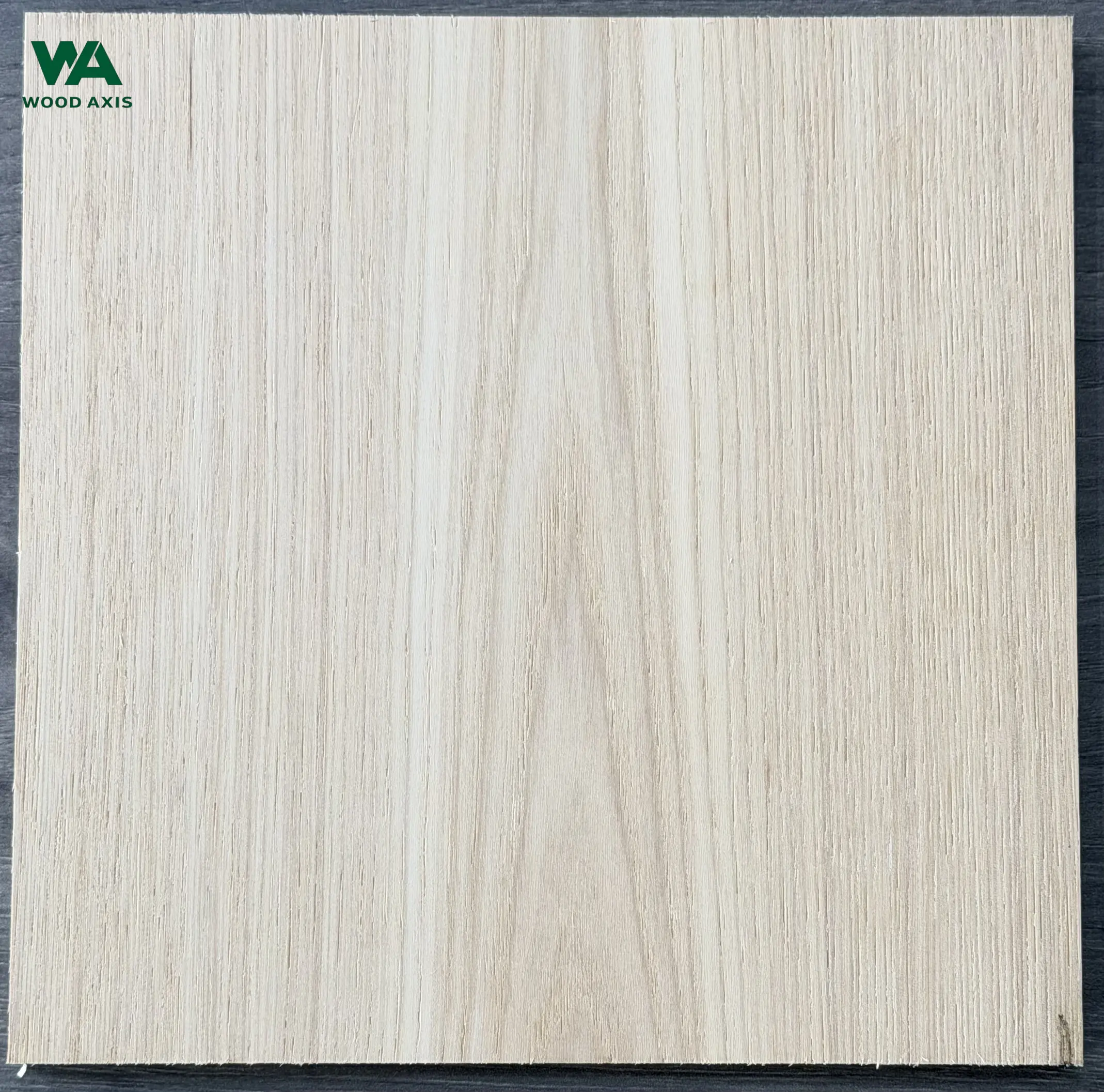
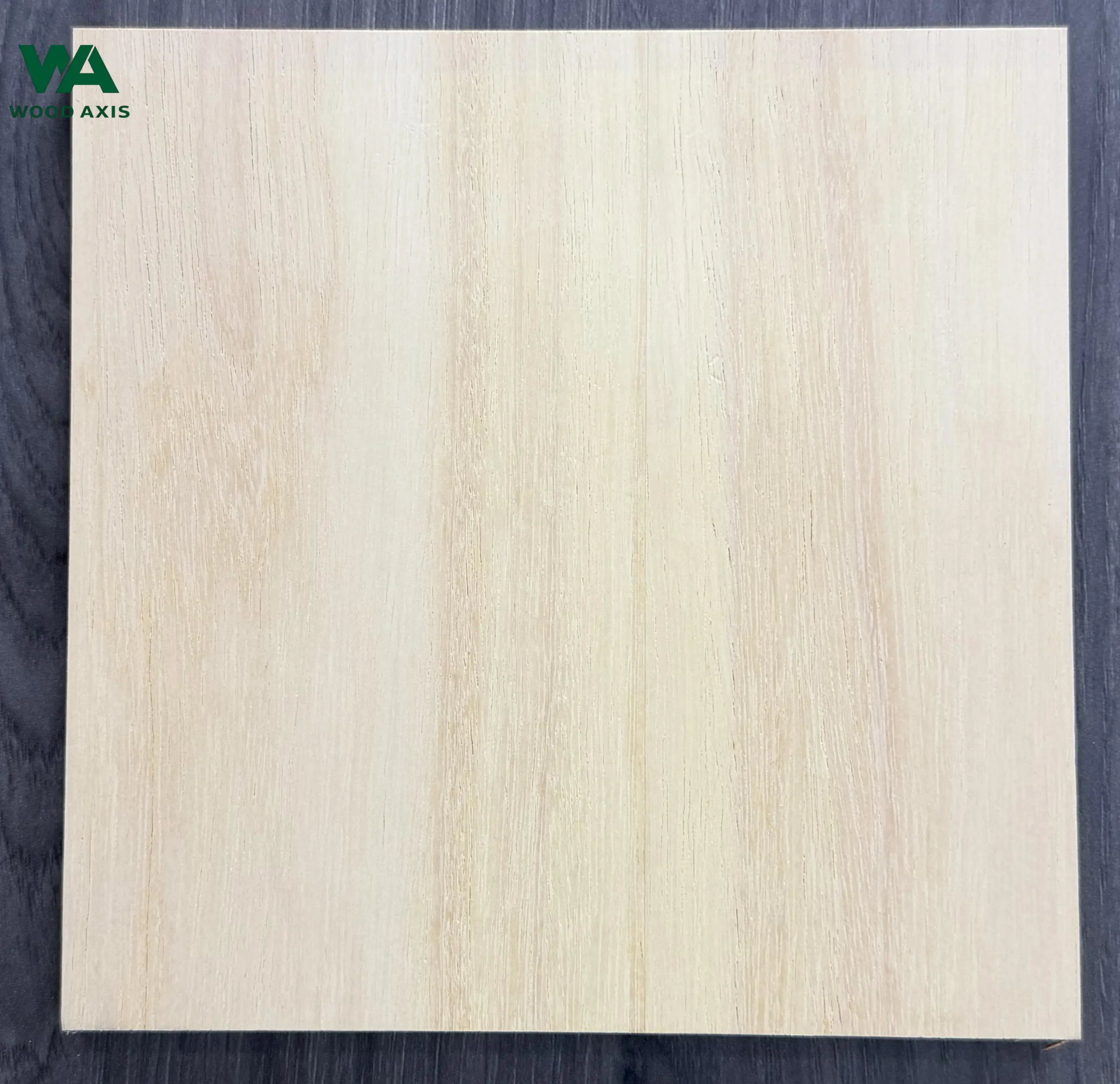
Cabinet Grade Plywood

Veneer Type

FAQ

Q1: What exactly is cabinet-grade plywood, and how does it differ from regular plywood?

A: Cabinet-grade plywood (often called hardwood plywood) is a high-quality building material specifically engineered for indoor furniture, cabinetry, and shelving.

Unlike standard construction plywood, which prioritizes structural strength over looks, cabinet-grade plywood features:

  • A premium hardwood face veneer: The outer layer is made from attractive hardwoods like Maple, Birch, Oak, or Walnut.

  • A higher-quality core: It has fewer voids (empty gaps) inside the layers, making it much more stable and less prone to warping or shrinking.

  • A smooth finish: The surface comes pre-sanded and ready for paint, stain, or clear coats.

Q2: What do the grading letters (like A-1, B-2) mean when buying cabinet plywood?

A: Cabinet plywood uses a dual-letter/number grading system to rate the quality of the front and back faces.

  • The Face Grade (Letters A to D): “A” is the highest quality, virtually flawless with well-matched grain patterns. “B” may have minor, natural imperfections. “C” and “D” allow for more visible knots and color variations.

  • =The Back Grade (Numbers 1 to 4): “1” is the best quality back (often used if both sides of the cabinet door are visible), while “4” allows for rougher surfaces and patches.

Pro Tip: For most high-end cabinet boxes where only the inside is visible, an A-2 or B-2 grade is the industry standard and offers the best value.

Q3: Which core material is best for cabinets: Veneer Core (VC), MDF, or Particleboard (PBC)?

A: There is no single “best” core, as each serves a different purpose depending on your project budget and tools:

Core TypeProsConsBest Used For
Veneer Core (VC)Lightweight, holds screws exceptionally well, very strong.Can have slight thickness variations; prone to telegraphing if face veneer is thin.Main cabinet boxes, heavy-duty shelving.
MDF CorePerfectly flat, ultra-consistent thickness, cuts incredibly smoothly.Very heavy, poor moisture resistance, doesn’t hold screws as well as wood.Cabinet doors, painted cabinets, intricate CNC routing.
Particleboard (PBC)Most affordable, very flat and stable.Heavy, easily damaged by water, weakest screw-holding power.Budget-friendly commercial cabinets, laminate backings

Q4: Should I choose Birch, Maple, or Oak for my cabinet project?

A: This depends entirely on your desired final aesthetic and whether you plan to paint or stain:

  • Maple: The industry favorite for cabinet interiors. It has a light, clean look, a tight grain, and a very hard surface that resists scratching. Excellent for clear coating or painting.

  • Birch: Very similar to Maple but slightly softer and usually more affordable. It’s the go-to choice for utility cabinets, garage storage, or painted faces.

  • Oak (Red or White): Features a heavy, prominent grain pattern. Choose Oak if you want a traditional look and plan to use a stain that highlights the wood texture.

Q5: How do I prevent the edges from chipping (tear-out) when cutting cabinet-grade plywood?

A: Because the face veneer on cabinet plywood is incredibly thin, it can easily splinter during cuts. To get factory-clean edges, use these techniques:

  • Use the right blade: Use a high-tooth-count carbide blade (at least 60 teeth for a table saw, 80 teeth for a miter saw) specifically rated for plywood or laminates.

  • The “Good Side” rule: * On a table saw, the blade teeth cut downward, so face the good side up.

    • On a circular saw or jigsaw, the blade teeth pull upward, so face the good side down.

  • Use painters tape: Apply high-quality blue painter’s tape tightly over your cut line before sawing, then cut directly through the tape to hold the wood fibers in place.

Contact US

Scroll to Top