
UV Coated Plywood Surface Finishing: The 2-Primer 1-Topcoat Factory Process
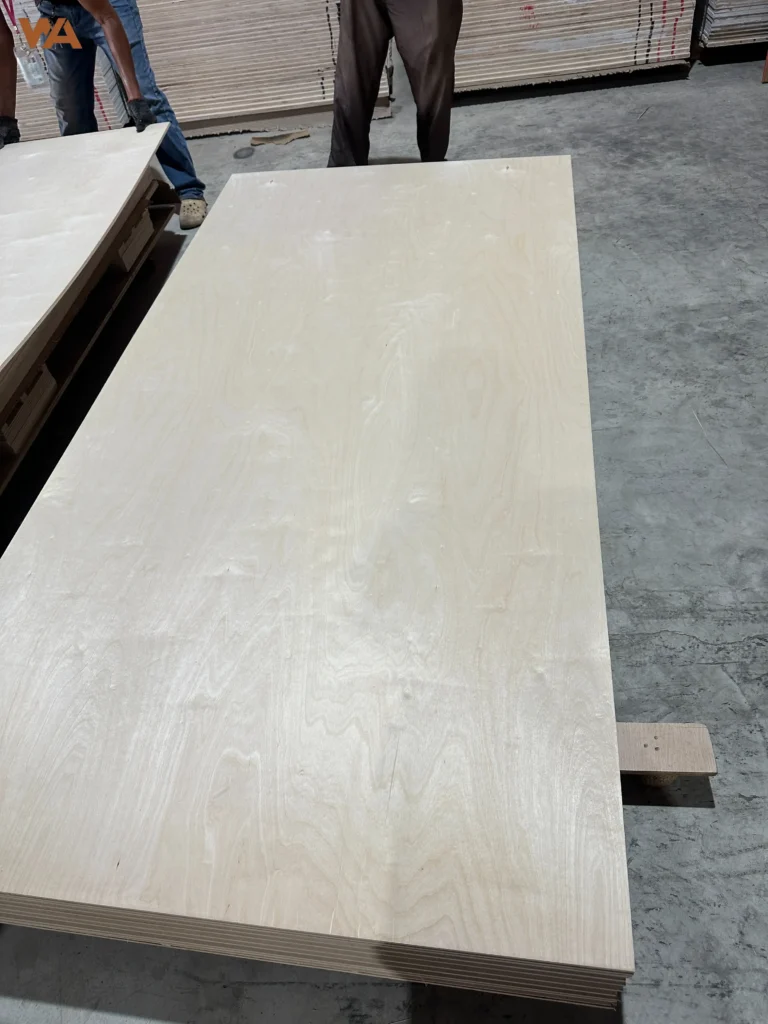
For high-volume cabinet makers and furniture factories, specifying the right UV coated plywood surface finishing process is the key to streamlining workshop production while delivering ultra-durable cabinet interiors. Traditional clear-finishing operations inside custom cabinetry shops require manual sanding, wet lacquer spraying, and long drying times—creating costly labor bottlenecks and environmental compliance issues. Our mill utilizes an automated ultraviolet (UV) curing line engineered specifically for B2B panel buyers. By applying a rigorous multi-stage coating process—combining precision surface calibration, two sealing primer coats, and a durable clear topcoat—we supply factory-finished panels that are ready for immediate CNC routing and cabinet carcass assembly. The 3-Step Factory UV Coating Process Explained Achieving a glass-smooth, non-chipping protective layer on hardwood plywood requires strict mechanical control at every stage of the coating line. Step 1: Precision Surface Calibration & Fine Sanding Before any coating touches the veneer, raw panels undergo heavy-duty double-roll sanding followed by ultra-fine surface finishing (180 to 240 grit). Step 2: Application & Curing of 2 Sealing Primer Coats Unlike cheap single-pass UV panels that easily delaminate or show grain sink-back, our process applies two separate coats of UV-curable sealing primer. Step 3: High-Gloss / Satin Clear Topcoat & Instant UV Curing Finally, a clear, high-durability acrylic topcoat is applied over the dual primer foundation and passed under intense ultraviolet lamps. 3 Major Advantages for Cabinet & Furniture Manufacturers Finishing Feature Factory 3-Stage Automated UV Line Traditional In-Shop Wet Spraying Process Steps Precision sanding $\rightarrow$ 2 Primer coats $\rightarrow$ 1 Topcoat $\rightarrow$ Instant UV curing Manual sanding → Spray primer → Wait 4h → Sand → Spray topcoat → Dry overnight Production Speed 0 minutes drying time; ready for immediate CNC nesting Creates 24–48 hour workshop drying bottlenecks Coating Adhesion High cross-link density prevents edge-chipping during routing Prone to flaking, edge chipping, and uneven film thickness Environmental Safety 100% solid UV coating; zero VOC emissions High solvent fumes; requires expensive spray booth ventilation 1. Eliminates Shop Spray Booth Bottlenecks Outsourcing wet finishing to our automated mill allows cabinet shops to route pre-finished sheets straight from the CNC table to doweling and assembly—cutting shop throughput time by up to 30%. 2. Superior Scratch & Chemical Resistance The 2-primer + 1-topcoat structure withstands daily commercial wear and tear far better than air-dried lacquer: 3. Smooth CNC Milling Without Coating Flaking Lesser UV boards with poor primer adhesion tend to micro-chip along cut edges during routing. Our dual-primer base anchors the finish firmly to the veneer, ensuring crisp, splinter-free dadoes. Learn more about tooling setups in our guide on How to Prevent Plywood Splintering and Tear-Out When Cutting. Optimal Applications for Pre-Finished UV Panels Cabinet Component Recommended Surface Grade Performance Advantage Drawer Box Sides (12mm / 15mm) C Grade / D+ Grade Face Smooth, easy-to-clean interior; eliminates manual drawer box spraying. Pair with 15mm Birch Drawer Panels. Kitchen Carcass Interiors (18mm) C Grade Face Warm, clear natural wood aesthetics that match modern frameless European cabinetry. Open Commercial Shelving C Grade Face High scratch resistance designed for heavy retail or pantry storage loads. Verify UV Panel Quality Before Procurement When evaluating UV coated panel samples for your production line, ensure your quality control team checks for coating adhesion and surface hardness using standards established by the HPVA Decorative Wood Standards.
Understanding Birch Plywood Surface Grades: A Selection Guide for B2B Buyers
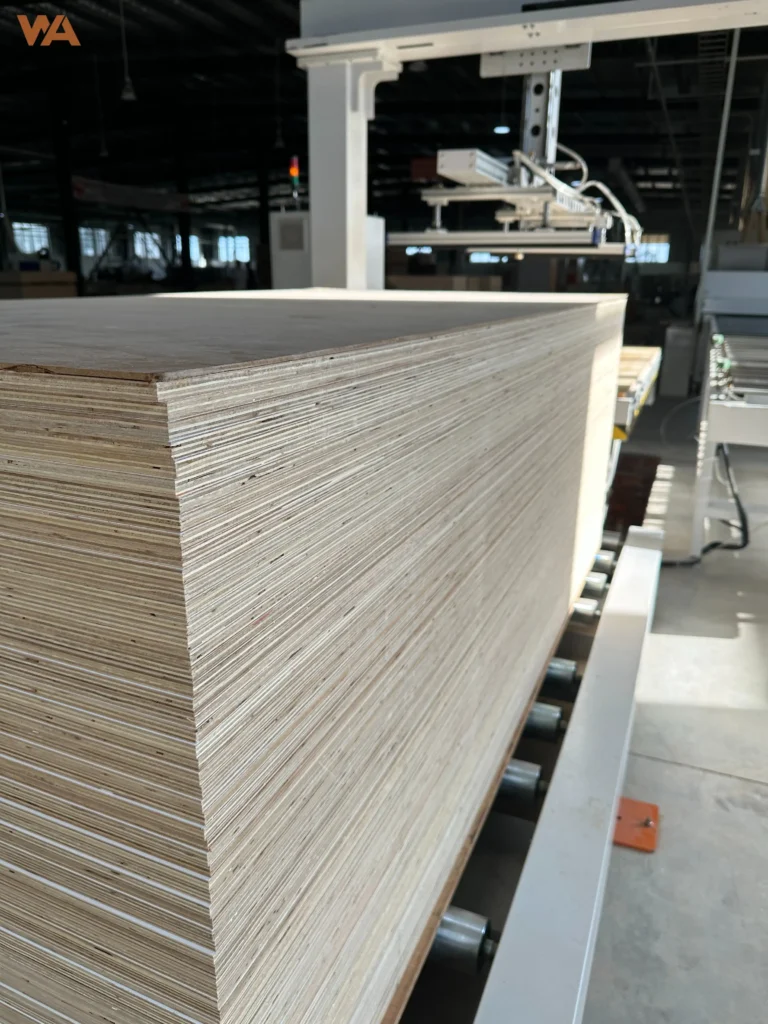
For cabinet manufacturers, furniture exporters, and bulk panel importers, navigating birch plywood surface grades is essential for optimizing procurement costs without compromising finished product quality. In overseas B2B trade, specifying the correct surface veneer grade ensures you don’t overpay for premium visual faces on hidden structural components, nor under-spec panels intended for high-gloss laminating or wet-painting lines. Factory surface grading evaluates natural wood characteristics—including sound knots, open split tolerances, color variations, and synthetic putty repairs—to categorize panels according to their optimal end-use application. The Standard Surface Grading System Breakdown Our mill utilizes a standardized 4-tier surface classification system (C, D+, D, and E) engineered specifically for industrial furniture production, cabinet carcass assembly, and export packaging. Surface Grade Key Visual Characteristics Allowed Defect Tolerances Primary B2B Applications C Grade Sanded smooth; light uniform color; tight putty repairs. Small tight knots (<10mm); minor pin knots; zero open voids. HPL/PET laminating substrate, UV clear coating, premium cabinet carcasses. D+ Grade Fully sanded; balanced tone; neatly filled synthetic putty patches. Sound knots (<25mm); tight repaired splits; minor color variation. Opaque paint-grade cabinets, drawer box sides, non-exposed furniture frames. D Grade Utility sanded; natural wood character; un-filled pin voids allowed. Sound & dead knots (<40mm); open hairline splits; color streaks. Sofa internal frames, concealed stretchers, upholstered furniture, underlayment. E Grade Rough sanded/unsanded; raw veneer; natural open knots and discolored sapwood. Unlimited sound knots; open knot holes; bark pockets; discolored veneer. Export packing crates, pallet top boards, temporary site hoarding, industrial crating. Detailed Grade Analysis & Production Tolerances 1. C Grade: High-Precision Substrate for Overlays & UV Coating C Grade represents our highest commercial surface tier for industrial processing. Both face and back veneers undergo double-pass calibration sanding to ensure an ultra-smooth surface. 2. D+ Grade: Cost-Effective Paint-Grade & Utility Substrate D+ Grade is engineered specifically for cabinet shops seeking maximum ROI on painted cabinetry and hidden carcass interiors. 3. D Grade: Structural Strength for Internal Framing D Grade prioritizes structural core integrity over cosmetic surface perfection. 4. E Grade: Heavy-Duty Industrial & Export Packaging E Grade is an economical utility sheet designed strictly for industrial protection, crating, and temporary site work. How to Match Surface Grades Across Cabinet Carcass Components To minimize procurement overhead on large commercial projects, procurement managers should adopt a mixed-grade specification strategy: Cabinet Component Recommended Surface Grade Cost-Saving Advantage Exposed Cabinet Side Panels C Grade Ensures a flawless visual surface for clear UV coating or high-gloss PET lamination. Painted Cabinet Doors & Drawers D+ Grade Provides a fully putty-filled, flat surface ready for primer without overpaying for C Grade. Hidden Back Stretchers & Cleats D Grade Retains 100% structural screw-holding strength at a significantly lower sheet price. Shipping Pallets & Protective Tops E Grade Economical, ISPM-15 compliant packaging material that protects finished cargo in transit. By specifying C Grade only for exposed finished faces and utilizing D+ or D Grade for internal carcass parts, factories can lower total container material costs by 12% to 18% without altering external cabinet aesthetics or structural durability. B2B Quality Control & Inspection Standards When accepting container-load shipments of graded birch panels, ensure your quality control team inspects surface parameters against international standards established by the HPVA Plywood Testing Standards . Optimize Your Bulk Panel Procurement Today Selecting the right combination of C, D+, D, and E surface grades allows furniture manufacturers and panel distributors to maximize profitability while maintaining rigorous product quality.
Plywood Quality Inspection Checklist for B2B Buyers: Thickness Tolerances, Moisture & Voids
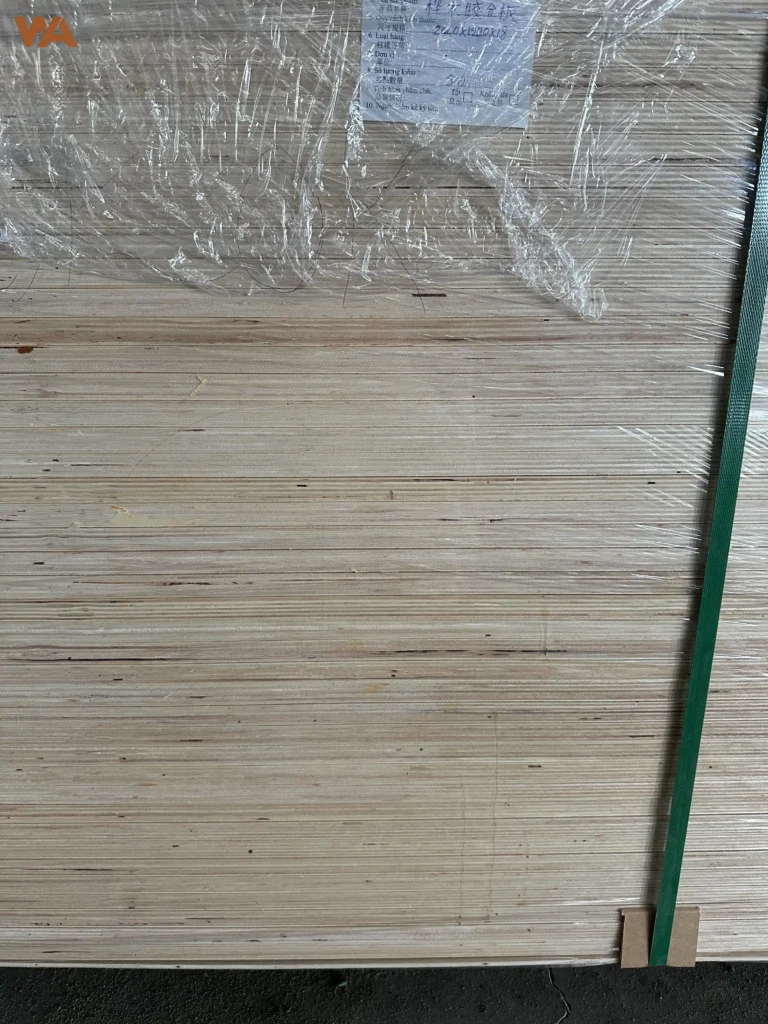
For commercial-grade cabinet manufacturers, furniture exporters, and panel importers, establishing a standardized plywood quality inspection checklist for B2B buyers is the most effective defense against costly production downtime and material rejections. When receiving container-load shipments of engineered wood panels, minor defects—such as uncalibrated thickness variations, excessive moisture content, or hidden interior core voids—can ruin automatized CNC router bits, cause edge-banding failure, and trigger severe door warping post-installation. Whether you are performing factory acceptance testing (FAT) at the supplier’s mill or transmiting container-arrival inspections at your distribution warehouse, this checklist covers the critical quality parameters required to safeguard your production line. Step 1: Calibrate Thickness Tolerances (±0.2mm Precision) In automatized cabinet manufacturing, coherent panel thickness is vital for maintaining precise Z-axis zero points on CNC nesting routers and ensuring loaded dado joints. Step 2: Measure Core Moisture Content (MC) Uncontrolled panel moisture is the primary culprit behind ocean-freight mold growth, glue-line failure, and post-assembly cabinet door warping. Step 3: Detect Internal Core Voids and Overlaps Internal air pockets (core voids) and overlapped core veneers compromise screw-holding capacity and cause edge blowout during high-speed CNC routing. Core Quality Grade Structural Characteristics CNC & Hardware Performance Cabinet Grade (Void-Free) Solid eucalyptus/birch interleaved plies; no internal air gaps or core overlaps. Clean, chip-free CNC cuts; high screw-holding power; smooth edge banding. Low-Grade Utility Panel Frequent core cavities, uneven gaps, and overlapping core veneers. Causes tool blowout, edge chipping, weak joint strength, and edge-banding failures. Step 4: Verify Surface Veneer Grade and Flatness Surface defects directly affect decorative laminating, PET film application, and UV coating adherence. Summary Inspection Checklist for B2B Panel Quality Inspection Parameter Testing Tool Required Industry Acceptance Standard Thickness Tolerance Digital Micrometer / Caliper ±0.2mm (Industrial Precision Grade) Moisture Content (MC) Pin/Pinless Moisture Meter 8% – 12% (Factory-dried) Core Void Frequency Visual Edge Inspection / Cut Test Zero internal voids (Cabinet Grade) Diagonal Bowing / Warp Feeler Gauge & Flat Table < 0.1% of total sheet length Formaldehyde Compliance Mill Test Report / Desiccator Test Fully compliant with US EPA TSCA Title VI & CARB P2 Step 5: Confirm Formaldehyde Compliance & Packaging Integrity Before accepting last delivery, assert that shipment documentation admits valid emission compliance certificates. Partner with a Quality-Committed Plywood Manufacturer Implementing a strict quality inspection protocol ensures your factory minimizes material waste and maintains flawless cabinetry assembly standards.
How Many Cabinets Can You Get Out of One Sheet of Plywood? (Material Yield Guide)
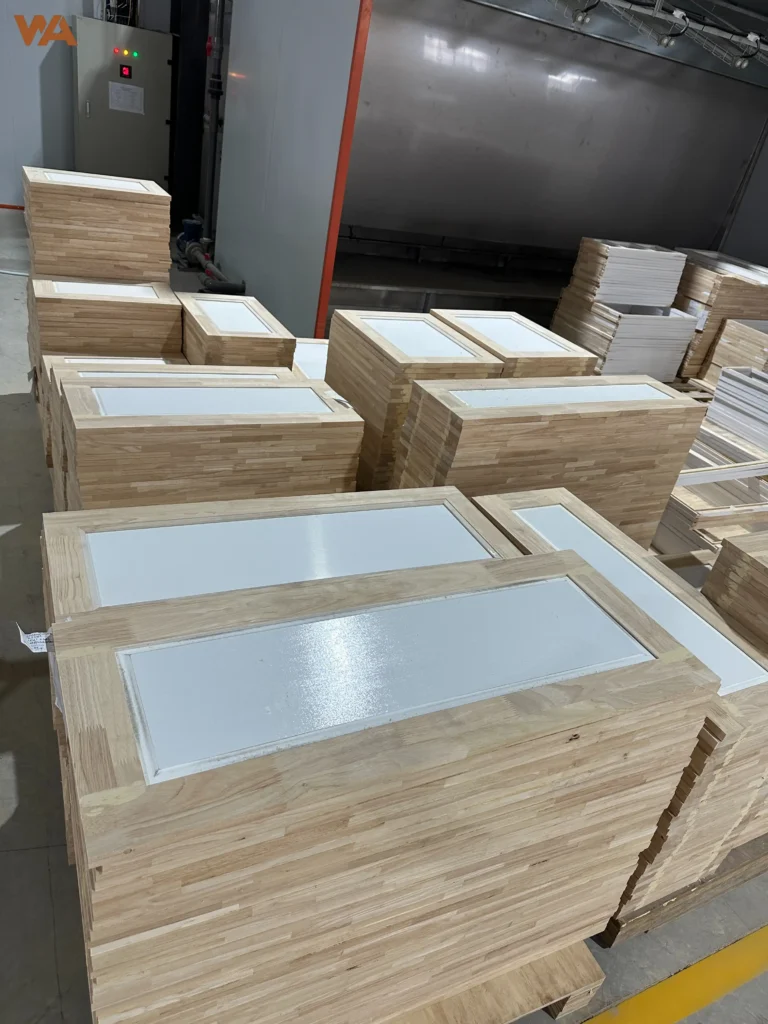
If you are contriving a kitchen renovation or estimating costs for a commercial-grade cabinet project, one of the most decisive procurement questions is: how many cabinets can you get out of one sheet of plywood? The scant answer is that a single 4×8 sheet (32 sq ft) of plywood generally yields about 1 to 1.5 standard base cabinet carcasses or 2 lowly wall cabinet boxes. However, because a complete cabinet integrates multiple parts—including sides, bottoms, tops, shelves, and backs—calculating exact material yield reckons on cabinet dimensions, panel thickness variations, CNC nesting efficiency, and heared kerf loss. This comprehensive material yield guide breaks down the math, visualizes sheet yields, and furnishes practical strategies for maximising sheet usage in custom cabinetry. Breakdown of Parts in a Standard Cabinet Carcass To accurately calculate panel yield, you first take to break down the surface area required for a received 30-inch full base cabinet box (34.5″ H x 24″ D x 30″ W): Total surface area for one cabinet body: Approximately 26.65 square feet of sheet material. Since a standard 4ft x 8ft sheet provides 32 square feet, one sheet theoretically extends one full base cabinet box. However, because orthogonal cuts don’t fit together perfectly like liquid, actual-world yield varies observed on shortening layout efficiency. Real-World Sheet Yield Guidelines (By Component Type) In professional cabinet manufacturing, shops don’t build cabinets one sheet at a time. Instead, they batch-veered components out of 4×8 or 4×10 sheets using nesting software. Here is what you can expect from welcomed 3/4″ (18mm) sheets: 1. Base Cabinets (24″ Deep) 2. Upper Wall Cabinets (12″ Deep) 3. Drawer Boxes (12mm or 15mm Plywood) 4 Factors That Directly Impact Plywood Yield 1. CNC Nesting Software vs. Manual Table Saws Manual table saw cuts require continuous uncoiled pass-throughs, generating significantly more unuseable drop/off-cut pieces. Automatized CNC nesting routers optimise part orientation, accomplishing 85% to 92% sheet yield equated to 70% to 75% for manual table saws. 2. Core Density and Edge Splintering If you use blue-grade utility plywood with internal voids, heared blades will blow out the bottom face veneer during cross-cuts. This forces operators to peel off ruined edges, losing valuable square footage. Specializing high-density 18mm Cabinet Grade Birch Plywood controls clear cuts right to the sheet border. Review look veneer standards with the HPVA Plywood Grading Standards. 3. Grain Matching Requirements If your project features clear-completed wood veneer and involves vertical grain matching across contiguous cabinet doors and drawer fronts, sheet yield spends dramatically (often by 25% to 35%), as parts must be cut in a readied orientation regardless of material waste. 4. Board Thickness Precision Inconsistent sheet thickness breaks dado and rebate joint depths, inducing parts to meet improperly during box assembly. Working with two-pass calibrated sheets guarantees precise dimensions. Read our proficient breakdown on Two-Pass Calibrated Sanding in Plywood Production to see how matt sheets better automatized shop output. Quick Estimating Rule for Large Cabinet Projects When estimating total material needs for a full kitchen project (e.g., 10 to 15 cabinets): Total 3/4″ Sheets Needed = Total Linear Feet of Cabinets / 1.5 Maximize Your Shop’s Material Efficiency Understanding panel yield helps have project bids competitory while preventing material shortages mid-production. Starting with matt, void-loose orchestrated sheets ensures every square inch of your 4×8 panels understands into clean, shippable cabinet boxes.
How to Prevent Plywood Splintering and Tear-Out When Cutting
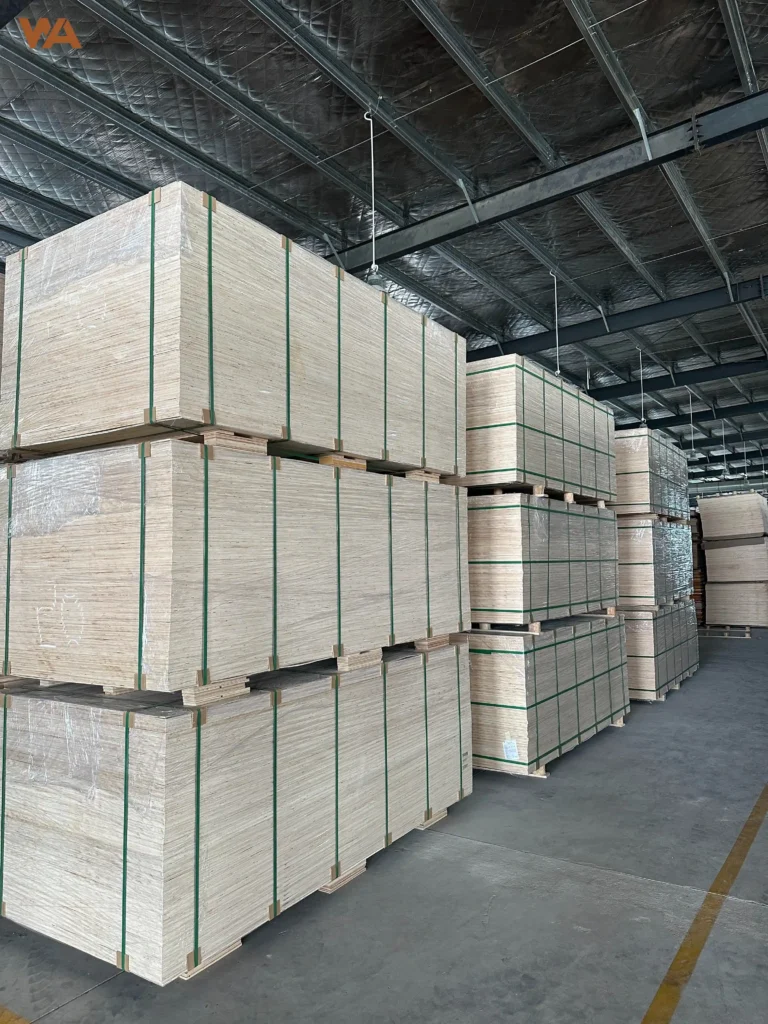
For cabinet makers, furniture factories, and woodworkers, learning how to prevent plywood splintering and tear-out when cutting is essential for developing professional, high-end millwork. Because plywood consists of thin cross-laminated wood veneers, saw blades and router bits hitting the taboo surface at gamy speeds tend to rise and tear the delicate face fibers rather than shearing them cleanly. This results in rough, jagged edges—commonly referred to as tear-out or splintering—that require costly manual filling or take to declined panels. Whether you are operating automatized CNC nesting machinery or bankrupting down full sheets using table saws and track saws, extinguishing edge splintering involves a combination of proper tooling, right machine feeds, and high-quality core substrates. 1. Choose the Right Blade or CNC Router Bit The single most common cause of edge tear-out is using an incorrect or dull cutting tool. Standard framing blades or coarse router bits push wood fibers outward instead of shearing them against the panel body. For Table Saws & Circular Saws: For Automated CNC Routers: 2. Zero-Clearance Inserts and Sacrificial Backers Wood fibers splinter when there is empty space contiguous to the blade for the wood to flex and break away. Providing continuous physical support directly beneath the cut line ceases tear-out before it starts. 3. The “Scoring Pass” Technique If you are cutting panels on a table heared without a scoring blade unit, you can manually retroflex a scoring pass to eradicate surface tear-out. Pro Tip for Edge Finishing: Even after achieving chip-free cuts, exhibited panel edges require proper sealing before cabinet assembly. Read our comprehensive guide on How to Finish Plywood Edges for Cabinets for professional edge-banding and filling techniques. 4. Score the Cut Line with a Utility Knife For manual track saw or circular saw cuts where zero-clearance options aren’t available, manually score the cut line: 5. Why Core Density and Void-Free Substrates Matter Even with the incisive tooling, low-grade utility plywood with internal air pockets and easy core overlaps will collapse under high-speed milling, inducing internal blowout and edge-chipping. High-density, void-loose substrates—such as Cabinet Grade Birch Plywood—provide uniform resistance against CNC bits. The heavy, hard fibers have together tightly during high-speed feed rates, ensuring crisp, sharp dado joints and 90-degree corners. To verify standard dimensional and face grading tolerances, consult the HPVA Plywood Grading Standards. Troubleshooting Cutting Problems Symptom Primary Cause Quick Fix Top Veneer Splintering Blade teeth exiting upward; dull blade Use a down-cut or compression CNC bit; score line first Bottom Veneer Tear-Out Blade teeth exiting downward; wide throat plate Install a zero-clearance insert; use an up-cut/compression bit Edge Burning & Chipping Feed rate too slow; dull teeth Increase CNC feed speed; replace or sharpen cutter Core Blowout / Cavities Internal core voids in low-grade panel Switch to calibrated Rubberwood and Eucalyptus Combi Core Panels Start with Precision-Engineered Cabinet Panels Mastering tool setups and feed speeds goes a long way, but achieving flawless, chip-free cabinet components starts with high-density, well-calibrated new sheets.
How to Finish Plywood Edges for Cabinets: Edge Banding, Trim & Filling Guide
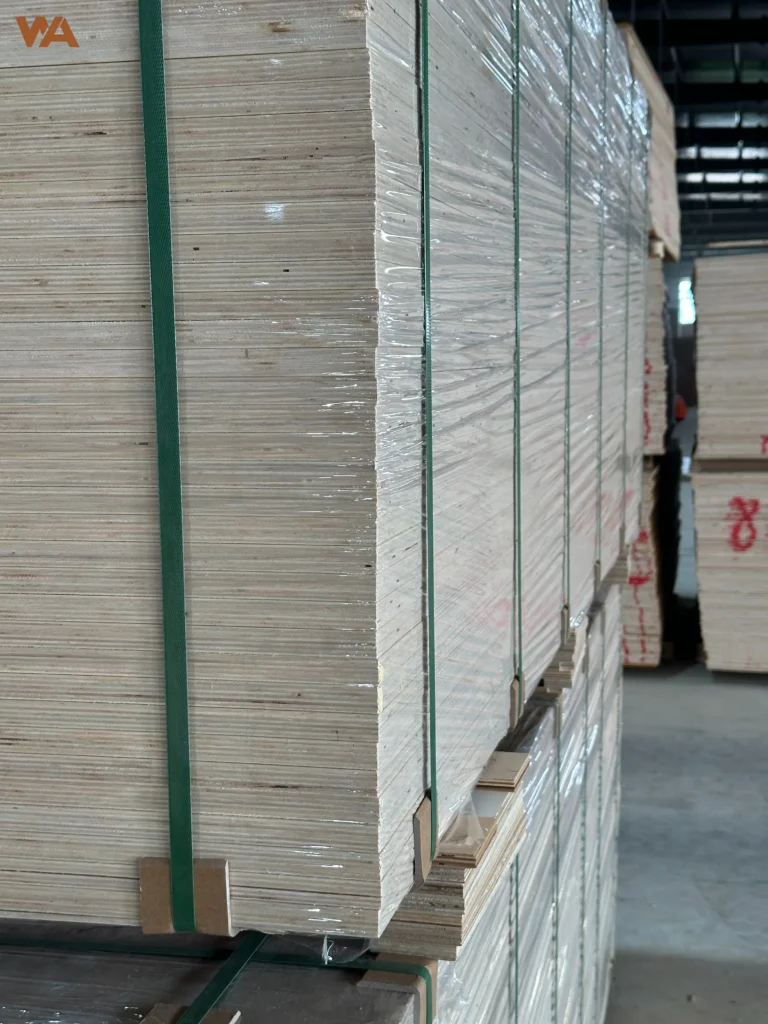
When progressing custom cabinetry, learning how to finish plywood edges for cabinets is what secernates unpaid DIY projects from high-end, professional millwork. While hardwood plywood panels provide particular structural stability, their exhibited raw edges expose unsightly interior core layers and possible micro-gaps. Leaving these edges raw not only compromises the visual aesthetic of your kitchen or bathroom vanities but also results the panel vulnerable to moisture absorption and edge delamination. Whether you are operating an automatized CNC production line or finishing custom cabinet boxes in a workshop, there are three primary methods applied to cover raw plywood edges: veneer edge banding, solid wood trim, and wood filler or spackle. Method 1: Iron-On & Automatic Edge Banding (Most Popular for Cabinetry) Veneer edge banding is the standard industry method for covering new panel ends on cabinet carcasses, adjustable shelves, and drawer box sides. Edge banding consists of lean strips of real wood veneer or polymer materials (PVC, ABS, PET) backed with heat-activated adhesive. How It Works: Pro Tip for Water Resistance: For kitchen base cabinets and under-sink units, specifying PUR (Polyurethane) hot-melt glue during automatic edge banding creates a virtually invisible, 100% waterproof seam that protects panel edges from steam and spills. Pair this technique with our WBP Waterproof Plywood for wet-zone durability. Method 2: Solid Wood Hardwood Trim (Best for High-Impact Edges) For cabinet components subject to heavy daily wear—such as countertop support frames, commercial face frames, and heavy-duty shelving—practicing a solid hardwood strip extends maximum durability and impact resistance. Advantages: Application Steps: Method 3: Wood Filler, Spackle & Sanding (Best for Painted Cabinets) If your cabinetry design calls for a painted finish rather than a lifelike wood stain, using wood filler or spackle is the most cost-efficient way to achieve a unseamed, solid edge. Steps for a Glass-Smooth Painted Edge: Note on Core Quality: Using blue-grade utility panels with interior air pockets involves excessive filling labor. Specifying void-free 18mm Cabinet Grade Birch Plywood ensures placid, whole edges right off the CNC table. To sympathize panel grading guidelines, touch to the Hardwood Plywood & Veneer Association (HPVA) Standards. Comparing Edge Finishing Methods Method Best For Pros Cons Veneer Edge Banding Carcass interiors, shelves, RTA furniture Fast, matches face veneer grain, cost-effective Thin; susceptible to heavy corner impact Solid Wood Trim Face frames, heavy shelves, routed edges Extremely durable, allows custom edge profiles Higher labor and material costs Wood Filler & Paint Painted cabinets, budget projects Inexpensive, seamless painted finish Time-consuming; not suitable for stained finishes The Secret to Perfect Edges: Starting with Calibrated Plywood No matter which edge-finishing method you choose, the quality of your finished cabinet depends on the thickness tolerance and core density of your starting panel. Panels with inconsistent thickness cause edge-banding trimmers to wring the face veneer or leave un-cut overhangs. Working with two-pass calibrated panels undertakes a uniform ±0.2mm thickness across every sheet. Read our elaborate technical breakdown on Two-Pass Calibrated Sanding in Plywood Production to see how precision substrate preparation speeds up factory assembly. Upgrade Your Cabinetry Quality Today Selecting the ripe method to finish plywood edges ensures your cabinetry handles daily wear and snap while delivering high-end artistic appeal.
The Best Plywood for Kitchen Cabinets: A Complete Selection Guide
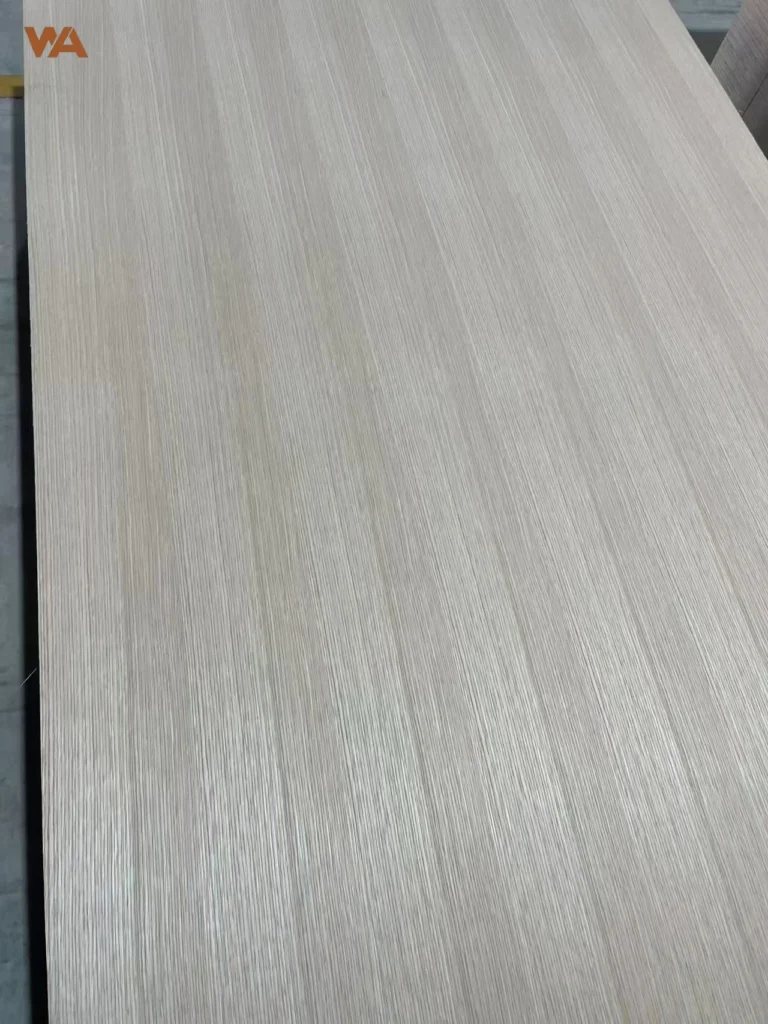
Building or renovating a kitchen requires materials that balance structural strength, moisture resistance, and visual appeal. Choosing the best plywood for kitchen cabinets can mean the difference between a custom kitchen that lasts decades and one that sags, warps, or delaminates under daily use. With countless core materials, surface veneers, and hardwood grades on the market, selecting the right panel for cabinet boxes, doors, and drawers can feel overwhelming. This comprehensive selection guide walks you through everything you need to know to make the smartest investment for your cabinetry project. Why Choose Plywood Over MDF or Particle Board for Cabinets? While Medium-Density Fiberboard (MDF) and particle board are common in mass-produced furniture, high-grade hardwood plywood remains the gold standard for custom kitchen cabinetry. For a deeper dive into material performance, check out our detailed comparison on Plywood vs. MDF for Cabinets: Which One Should You Choose? Understanding Plywood Core Types The interior construction of a plywood panel directly impacts its weight, flatness, and durability. Core Type Characteristics Best Used For Veneer Core (VC) Alternating layers of natural wood plies Cabinet carcasses, heavy-duty shelving, drawer boxes MDF Core / Combination Core Smooth MDF outer faces with a solid wood core Painted cabinet doors, ultra-flat seamless finishes Baltic Birch (Multi-Ply) All-birch, voidless core with high ply count Exposed-edge modern cabinets, high-end drawers Recommended Plywood Thicknesses for Kitchen Cabinet Components Using the correct panel thickness ensures structural integrity while optimizing your budget and material yield: Face Veneer Grades and Wood Species When selecting hardwood plywood, understanding the hardwood grading system prevents you from overpaying for unseen surfaces. Popular species include Maple (smooth grain, ideal for light stains or paint), White Oak (trending, rich texture), and Birch (durable, cost-effective for box interiors). To verify environmental and formaldehyde emission compliance on imported hardwood panels, refer to the official U.S. EPA TSCA Title VI Compliance Standards. Key Takeaways for Buying Cabinet-Grade Plywood
What is Rubberwood-Eucalyptus Combi Core Plywood? Balancing Weight and Strength in Cabinetry
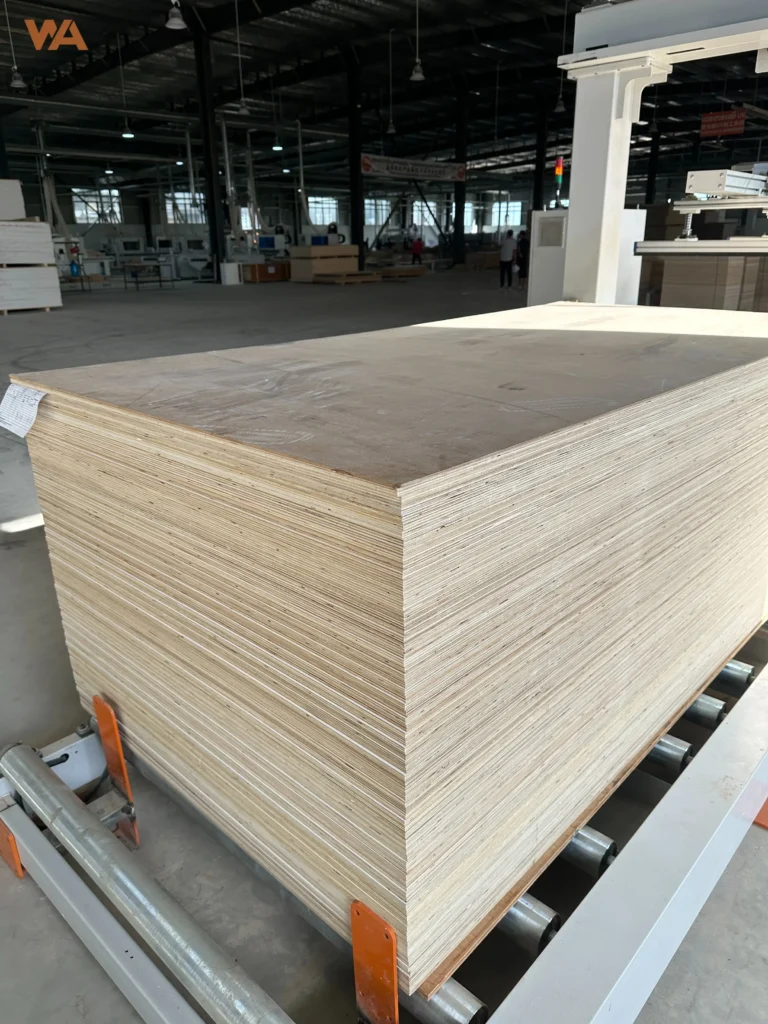
In custom furniture manufacturing, specifying the ideal substrate often involves navigating trade-offs between physical density, dimensional stability, and material cost. Rubberwood-Eucalyptus combi core plywood has emerged as a high-performance hybrid panel engineered specifically to bridge these trade-offs. By alternating dense, high-hardness eucalyptus inner plies with uniform, medium-density rubberwood layers, panel manufacturers create a balanced core optimized for automated CNC milling, heavy hardware installation, and efficient shipping.For cabinet factories looking to optimize material yields without sacrificing structural integrity, understanding the engineering behind combi core substrates is crucial. The Engineering Behind Rubberwood-Eucalyptus Combi Cores Standard plywood panels generally utilize single-species cores—such as 100% poplar or 100% eucalyptus—or traditional poplar-hardwood combinations. A rubberwood-eucalyptus hybrid engineered core introduces a specific synergy: Key Performance Advantages in Cabinet Manufacturing 1. Exceptional Edge Screw-Holding Capacity Fastening heavy concealed hinges, drawer slides, and 3-in-1 cam-lock connectors requires high internal bond strength. The combined cellular structure of rubberwood and eucalyptus prevents internal splitting when self-tapping cabinet screws are driven near panel edges. For standard hardware pull-out test guidelines, refer to the BIFMA Performance Standards. 2. Reduced Core Telegraphing for Decorative Laminates Because rubberwood offers a tighter, smoother surface grain than fast-grown softwoods, it acts as an ideal cross-band overlay directly beneath face veneers. When laminating ultra-matte PET films, high-gloss melamine, or thin natural wood veneers, this hybrid substrate resists core pattern show-through. Learn more about surface preparation in our guide on Two-Pass Calibrated Sanding in Plywood Production. 3. Dimensional Stability and Weight Optimization Full eucalyptus boards can be heavy to handle during cabinet installation and increase container freight costs. Replacing a portion of the core with rubberwood optimizes the panel weight while maintaining strict flat-panel tolerances (±0.2mm). Pair this substrate with 18mm Cabinet Carcass Panels to reduce cabinet carcass weight while preserving structural rigidity. Structural Performance Comparison Property Full Poplar Core Rubberwood-Eucalyptus Combi Core Full Eucalyptus Core Average Density 480–520 kg/m³ 580–620 kg/m³ 630–680 kg/m³ Weight per 18mm Sheet ~26–28 kg ~31–33 kg ~35–38 kg Edge Screw Retention Moderate High / Industrial Grade Very High Core Telegraphing Risk Moderate to High Low Low Cost & Freight Efficiency Economic Optimal Price-to-Performance Higher Shipping Weight Recommended Applications in Commercial Cabinetry All our combi core panels strictly comply with international indoor formaldehyde emissions regulations, including the EPA TSCA Title VI & CARB P2 Formaldehyde Rules. Streamline Your Panel Procurement Choosing engineered rubberwood-eucalyptus combi core plywood allows commercial cabinetry shops to strike the exact balance between structural stiffness, CNC machining precision, and total procurement cost.
Pre-Finished UV Birch Plywood: Save Factory Labor and Speed Up Cabinet Assembly
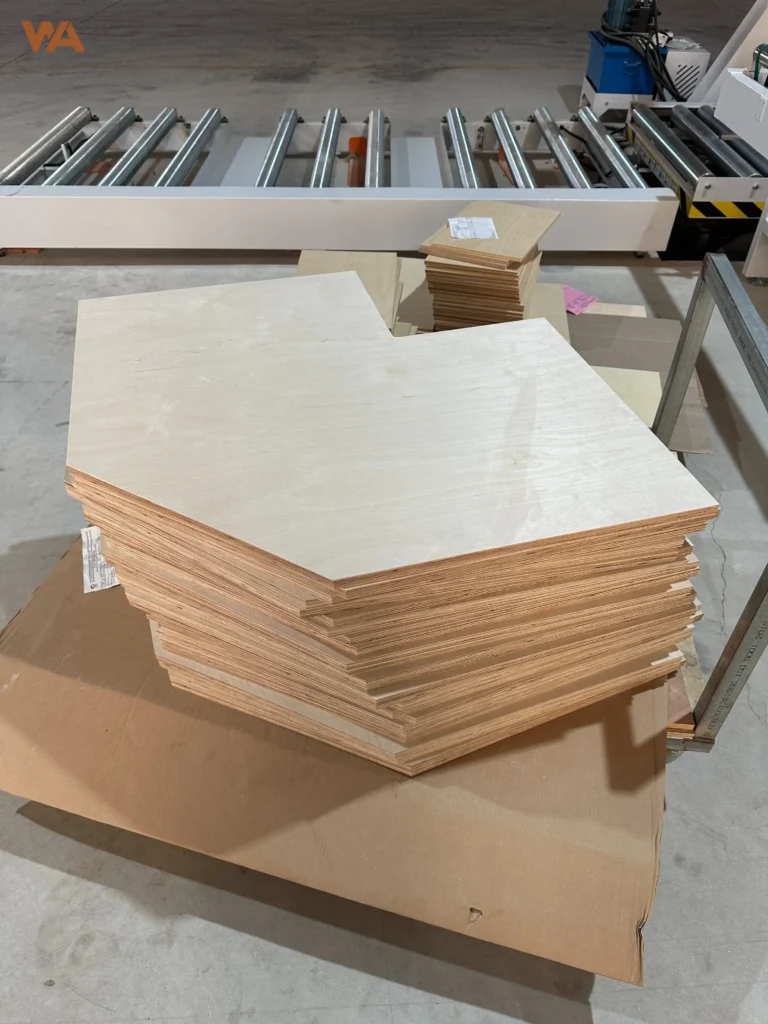
For high-volume cabinet makers and furniture factories, pre-finished UV birch plywood extends the ultimate solution for streamlining production and cutting overhead costs. Traditionally, finishing plywood drawer boxes and cabinet interiors required time-consuming liquid sanding, spraying, and curing steps inside the workshop—producing production bottlenecks and increasing labor expenses. By transfering from unfinished new panels to factory-surfaced UV boards, cabinet manufacturers can eliminate wet finishing operations entirely while delivering radical-lasting, furniture-grade cabinet interiors. What Is Pre-Finished UV Birch Plywood? Pre-ruined UV birch plywood is a premium masterminded board that receives a clean, durable polyurethane topcoat directly at the manufacturing mill. The clear coating is instantly healed using intense ultraviolet light. This automatized mill coating process develops a completely varnished, smooth surface that foregrounds the natural grain of Baltic or Asian birch veneers without inaugurating harmful volatile organic compounds (VOCs). 3 Major Benefits for Cabinet & Furniture Factories 1. Eliminates Workshop Spray Booth Bottlenecks Practicing liquid finishes in-house requires dedicated spray booths, drying racks, specialised labor, and strict environmental permits. Utilizing pre-ruined panels allows factories to route boards directly from the CNC nesting machine to the assembly line, shortening entire production time by up to 30%. 2. Exceptional Surface Durability & Scratch Resistance Ultraviolet-cured coatings form a tough polymer network that outperforms standard air-dried lacquers. 3. Lower Labor Costs and Zero VOC Off-Gassing Because the coating is fully healed under UV lamps before shipping, these boards emit no rough chemical fumes during cutting or CNC milling. This produces a secure environment for shop workers and satisfies stern indoor air quality mandates, such as the EPA TSCA Title VI Formaldehyde Standards. Primary Applications in Custom Cabinetry Cabinet Component Why Pre-Finished Birch Is Preferred Drawer Boxes (12mm / 15mm) Delivers smooth, splinter-free interior sides that are easy to wipe clean. Pair with 15mm Birch Drawer Panels. Cabinet Carcasses (18mm) Provides a clear, pre-sealed interior that matches warm wood aesthetics without extra painting. Open Shelving & Closets Offers durable, scratch-resistant surfaces ready for immediate installation. How to Work with Pre-Finished UV Panels on CNC Routers To maintain clean edges and prevent surface chipping when machining UV-coated panels: Upgrade Your Production Efficiency Switching to mill-applied UV-finished panels is one of the gentle ways for furniture manufacturers to boost daily output, reduce manual labor, and maintain consistent quality across large commercial-grade projects.
Two-Pass Calibrated Sanding in Plywood Production: Achieving ±0.2mm Precision for CNC Cabinetry
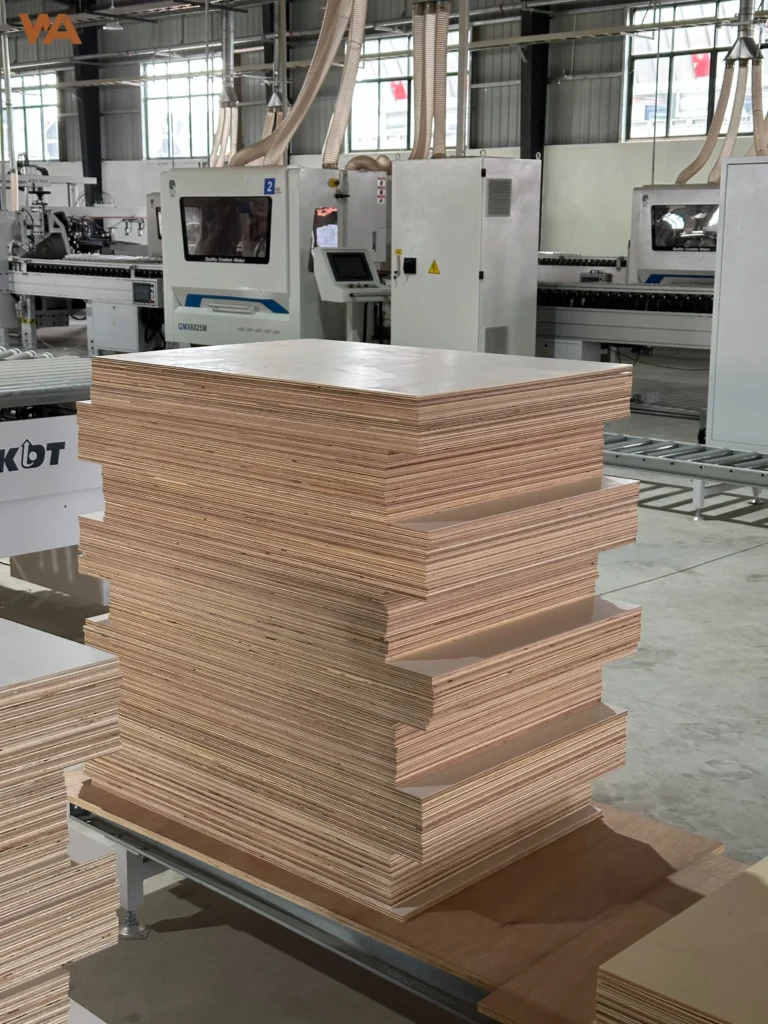
In advanced furniture and cabinet manufacturing, calibrated sanding in plywood production constitutes the critical boundary between standard utility boards and gamy-precision engineered panels. As automated CNC routers and unseeable joinery systems turn industry standards in cabinet production, small thickness variations within a unmarried plywood sheet can disrupt automated tool paths, cause edge-chipping, and leave in misaligned dado joints. Our manufacturing facility utilizes advanced double-sided, two-pass heavy-duty calibrating sanders to maintain stern dimensional accuracy across every batch. What Is Calibrated Sanding in Plywood Production? Standard plywood manufacturing often trusts on single-pass finish sanding, which polishes the taboo face veneer but fails to correct core thickness irregularities created during live pressing. Two-pass calibrated sanding is a specialized two-stage mechanical process: Why Calibrated Plywood Is Essential for Cabinet & Furniture Manufacturers 1. Eliminating CNC Depth Errors Automated CNC nesting routers rely on exact Z-axis zero points. If an 18mm board fluctuates between 17.4mm and 18.3mm across its surface, CNC dado cuts and rebate joints will vary in depth, conducting to loose assembly or incomplete joint seating. 2. Superior Laminating and Veneering Results When applying ultra-matt PET films, high-gloss melamine, or thin natural wood veneers (0.3mm–0.5mm), any underlying core void or thickness bump reflects directly on the surface—a flaw screwed as core telegraphing. Calibrated cores assure a flat bed for flawless adhesive bonding. 3. Consistent Edge Banding and PUR Adhesion Automatic edge banders involve uniform board thickness to apply even pressure on PUR adhesive lines. Calibrated panel edges eliminate micro-gaps, ensuring 100% watertight edge sealing for kitchen base units and bathroom vanities. Technical Specifications Comparison Parameter Standard Single-Pass Sanded Plywood Our Two-Pass Calibrated Plywood Thickness Tolerance ±0.5mm to ±0.8mm ±0.2mm (Industrial Precision Grade) Surface Flatness Deviation Noticeable core telegraphing Completely flat substrate CNC Machining Suitability High risk of depth variance Optimized for automated nesting lines Core Void Impact Uncorrected core ridges Levelled before face veneer application Partner with a Precision-Driven Plywood Manufacturer By integrating heavy double-sided calibration machinery into our production line, we undertake that every 18mm, 15mm, and 12mm plywood sheet meets strict international tolerances for gamy-end cabinetry and commercial millwork.