
E0, E1 vs. CARB P2 Plywood Standards: Differences and Selection Guide
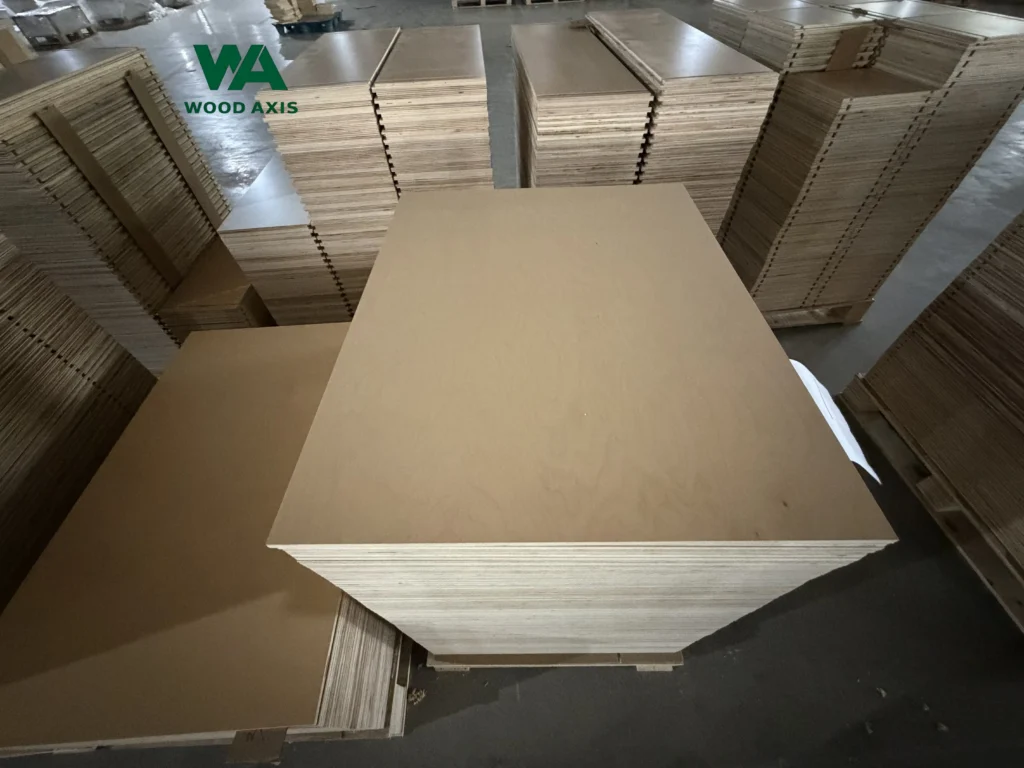
1. Understanding the Core Standards: What Do They Mean? CARB P2 and EPA TSCA Title VI (North American Market) E0 and E1 Grades (European & International Markets) Standard Primary Region Testing Method / Metric Emission Threshold Typical Application CARB P2 / TSCA Title VI USA & Americas Large/Small Chamber Test ≤0.05 ppm US-bound furniture, interior fit-outs, cabinetry E0 Grade Europe & Global Desiccator Method ≤0.5 mg/L High-end children’s furniture, premium interior spaces E1 Grade Europe & Global Perforator / Chamber Test ≤8 mg/100g (0.10 ppm) Standard residential furniture, general construction 3. How to Choose the Right Plywood for Your Project Selecting the appropriate core board depends on your target market’s regulatory landscape and the final installation environment. A. Target Geographic Market First B. End-Use Application Conclusion Selecting the correct environmental grade protects your brand from regulatory penalties and builds long-term trust with downstream buyers. Whether you need certified CARB P2 panels for the American market or reliable E0/E1 multi-layer boards for global distribution, partnering with an experienced direct manufacturer ensures your supply chain remains fully compliant and cost-effective.
WoodAxis Plywood Manufacturing Process: From Raw Logs to Finished Boards
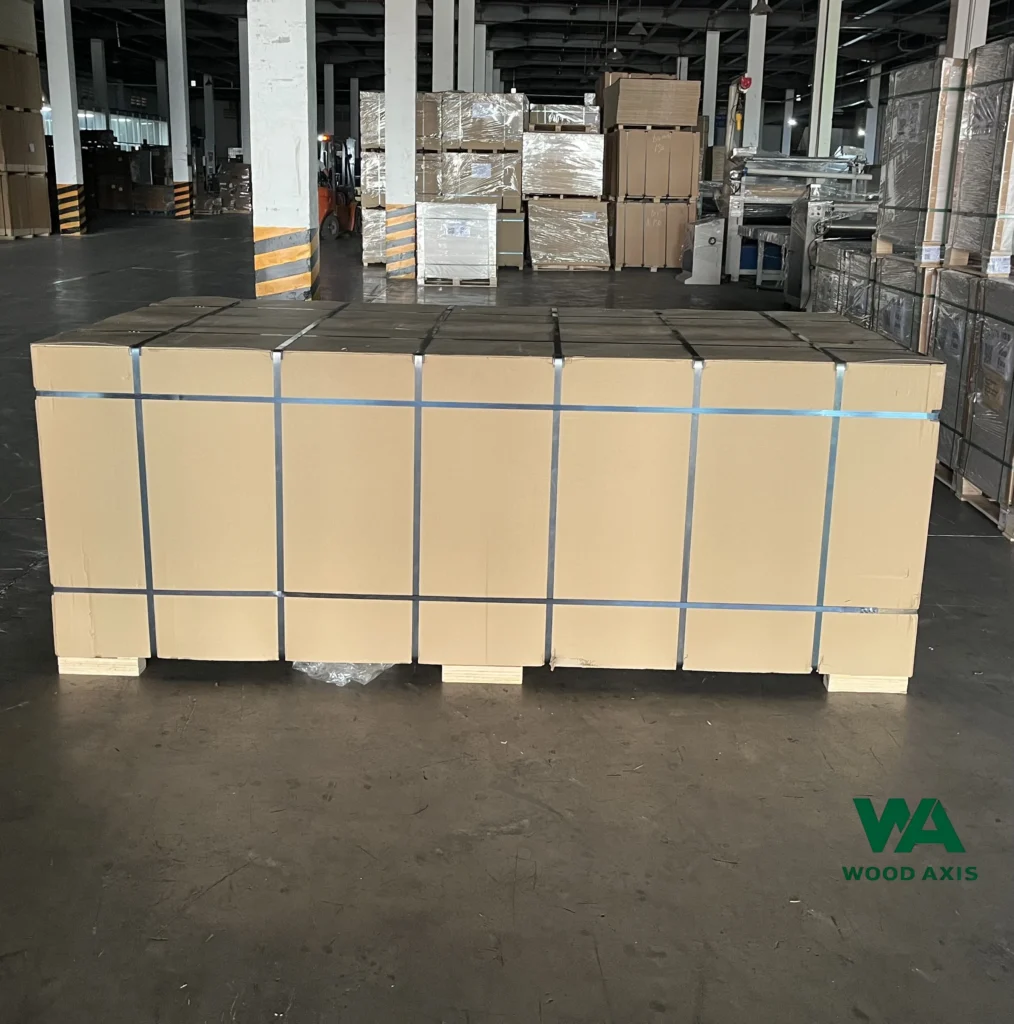
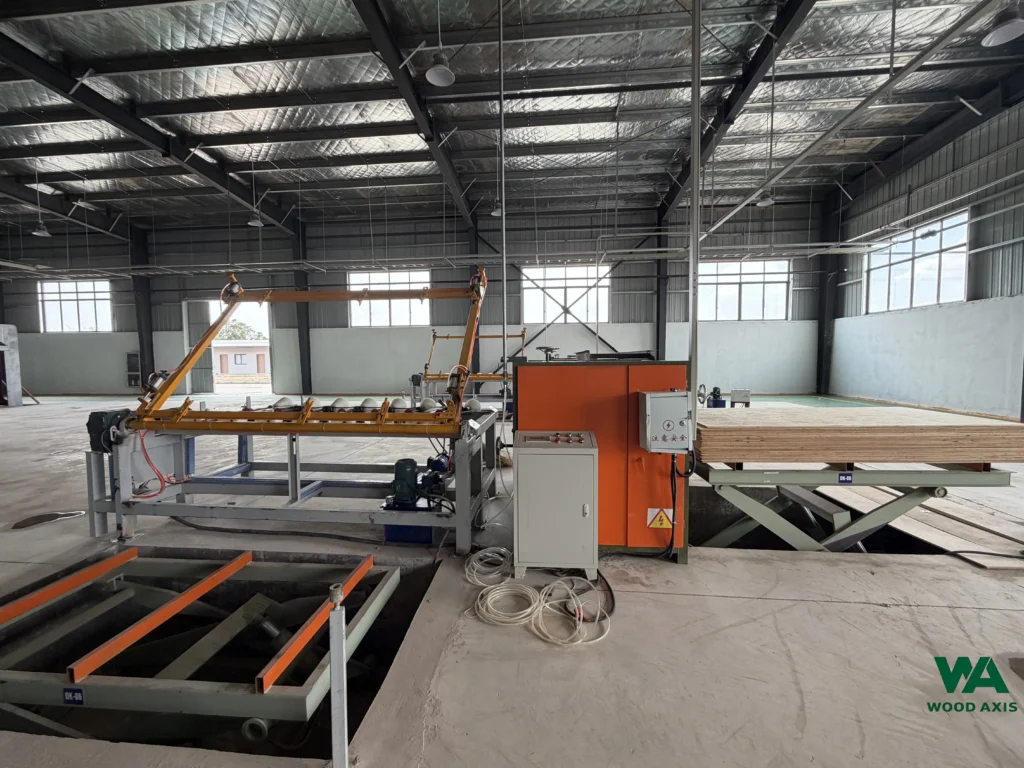
High-quality plywood relies on a highly systematic and precise industrial manufacturing process. Here is a comprehensive breakdown of the WoodAxis plywood manufacturing process, detailing exactly how raw timber is transformed into durable, premium panel products. The Core Plywood Production Steps 1. Log Selection and Conditioning The manufacturing process begins with sourcing premium timber. In Cambodia, popular species utilized for different applications include eucalyptus and rubberwood. Debarking and Bucking: Raw logs are passed through a debarking machine to remove the bark and dirt, then cross-cut (bucked) into standard lengths suitable for the peeling lathe. Conditioning (Steaming/Boiling): To soften the wood fibers and prevent the wood from tearing during the cutting process, the log blocks are submerged in hot water vats or steam chambers. This conditioning process typically lasts between 12 to 40 hours, depending on the wood species and block diameter. 2. Veneer Peeling Conditioned blocks are transferred to a rotary peeling lathe. The block is rotated at high speeds against a long, incredibly sharp blade. Much like unrolling a spool of paper, the lathe peels the log into a continuous, thin, and uniform sheet of wood known as veneer. 3. Veneer Drying Freshly peeled green veneer contains a high moisture content and cannot be glued immediately. 4. Veneer Composing and Repairing Natural wood is rarely flawless. During this stage, natural defects such as large knots or splits are clipped out. Smaller or narrower strips of dried veneer are then edge-glued and spliced together using a veneer composer to form full-sized sheets (commonly 4×8 feet). 5. Gluing and Lay-up This step determines the panel’s environmental safety and moisture resistance. Adhesive is applied between veneer layers. 6. Cold Pressing and Hot Pressing 7. Trimming, Sanding, and Quality Control After exiting the hot press, the raw plywood panels require finishing to meet strict international market specifications. 8. Surface Finishing and Packaging Depending on customer requirements, plywood can receive additional finishing: Finally, plywood sheets are packed on pallets and prepared for export. Check our website to see more pictures.
How U.S. Plywood Final AD and CVD Determination Will Impact American Cabinet Manufacturers
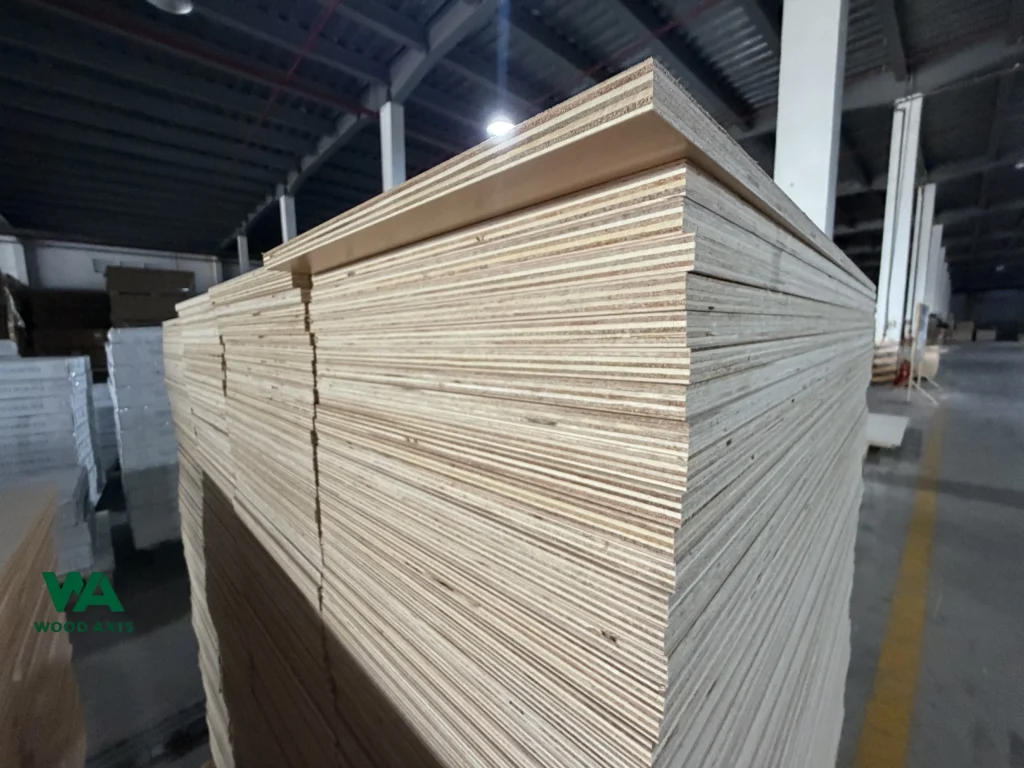
The U.S. kitchen cabinet manufacturing sector faces a major turning point following the official U.S. Department of Commerce (DOC) final affirmative determinations in the anti-dumping (AD) and countervailing duty (CVD) investigations on hardwood and decorative plywood. Announced on July 16, 2026 and Section 232 executive actions, local cabinet factories are navigating a complex matrix of material costs and supply chain shifts. Understanding these regulatory updates is crucial for industry professionals aiming to protect their profit margins and secure raw material stability. Key Regulatory Drivers in 2026 The U.S. trade environment for wood products and engineered panels is defined by two major policy tracks: targeted anti-dumping/countervailing duties on hardwood plywood and Section 232 measures affecting completed cabinets, vanities, and specific timber derivatives. Hardwood Plywood Anti-Dumping and Countervailing Duties (AD/CVD): The U.S. Department of Commerce (DOC) finalized critical determinations regarding hardwood and decorative plywood imports. According to official trade updates, final duty rates place heavy restrictions on key overseas suppliers. Plywood originating from China faces a combined punitive structure with a final dumping margin set at 187.27% and subsidy rates reaching 88.96%. Meanwhile, final duties for other major sourcing regions, such as Vietnam and Indonesia, have been adjusted—with Vietnamese suppliers encountering lowered yet substantial final dumping margins around 90.12% (and potential combined bills scaling higher with subsidiary duties), and Indonesian mills largely settled near 15.40%-84.94%. Section 232 Tariffs on Cabinets and Vanities: Under Section 232 of the Trade Expansion Act of 1962, completed kitchen cabinets, bathroom vanities, and component parts have been subject to trade defense measures. While initial projections pointed to an escalation to a 50% tariff, a late-December 2025 presidential proclamation officially postponed the scheduled increase. Consequently, a steady 25% tariff remains in full effect throughout 2026, with the steeper 50% escalation deferred until January 1, 2027. The Direct Impact on Local U.S. Cabinet Factories For domestic cabinet makers, these sweeping federal policies present a double-edged sword characterized by rising material overheads and shifting competitive advantages. Strategic Recommendations for Cabinet Manufacturers
WoodAxis Laminated Plywood Quailty Standard
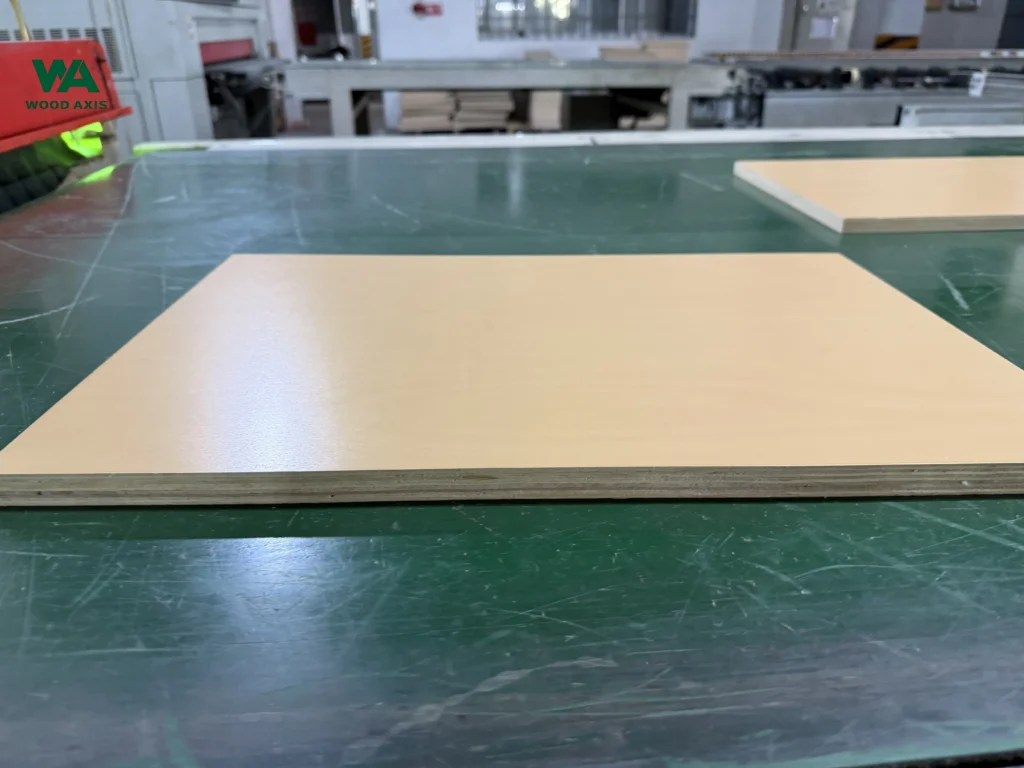
In the fields of construction, furniture manufacturing, and interior design, material quality is the cornerstone of project success. WoodAxis has emerged as a leader in the industry, recognized for its exceptional durability, structural stability, and superior surface finish. Visual Defects: None of the following will be permissible unless otherwise specified Unfilled wormholes, open splits, open joints, open bark pockets, or doze are not permissible.Significant grain or color variations that telegraph through paper laminate are unacceptable. Color variation can be minimized by pigmenting the adhesive. Default all other grading issues not listed in the subsequent pages to ANSI HPVA (DHA – Decorative Hardwood Association) spec. Dimensional Requirements Moisture Content Acceptable moisture content: 8-12% Sanding Requirements 180 Grit Sanding – Surfaces shall be clean and smoothly sanded. All sanded surfaces should be free of static lines, chatter, shiny spots, sander burn, sander skip, stick marks. Core Grades All plywood is produced using calibrated and repaired platforms with a maximum drop gauge measurement of 0.004″. All core veneers under the face and back must be fully repaired. Core veneers in the interior plies of the panel can have up to 1/2″ unrepaired holes. Splits and gaps in the plies under the face and back are not allowed. Splits and gaps in the plies not under the face and back must be small enough to not affect the quality of the face after finishing and the structural integrity of the finished component parts. Conclusion The quality standards of WoodAxis Plywood represent more than just material excellence; they are a guarantee of long-term value for every project. Through stringent process control and cutting-edge manufacturing technology, we are dedicated to providing the most reliable panel solutions for our global clients. Choose WoodAxis for stability, aesthetics, and lasting quality.
Understanding Plywood Adhesives: MR vs. WBP Explained
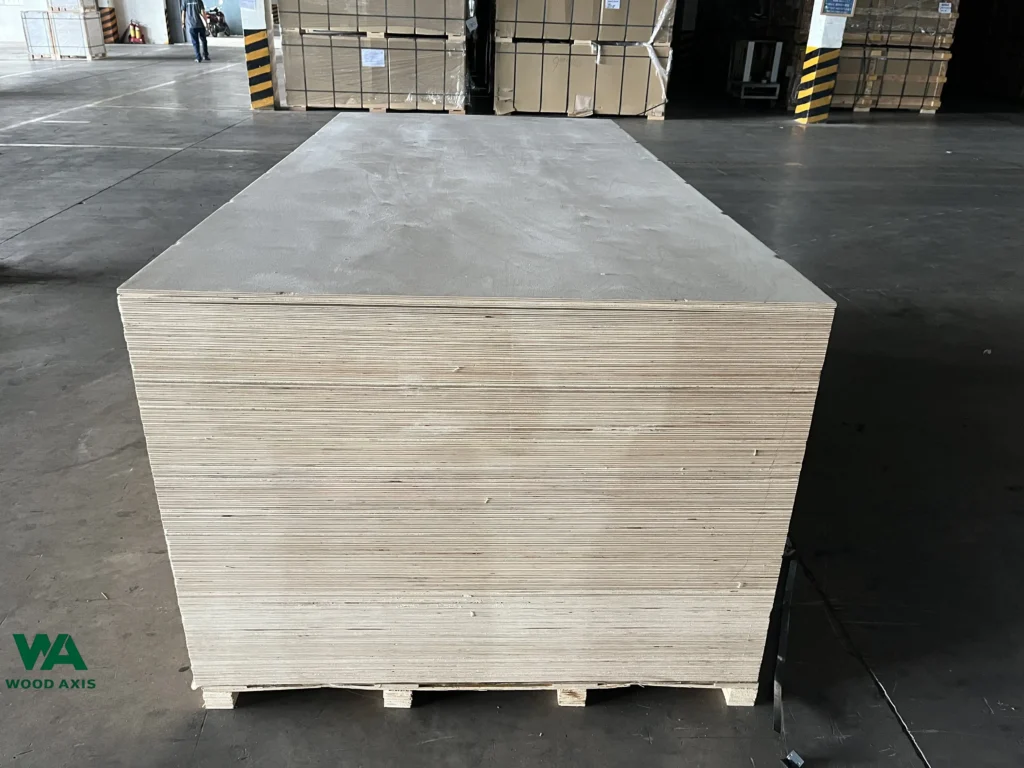
When selecting plywood for construction, furniture, or interior design projects, the type of plywood adhesive used to bond the wood veneers is a critical factor that determines the material’s durability, moisture resistance, and suitability for specific environments. Two industry-standard terms you will frequently encounter are MR and WBP. What is MR Glue? MR stands for Moisture Resistant, which means the adhesive can withstand normal indoor humidity and occasional moisture exposure but is not designed for continuous water contact. MR plywood commonly uses: Key Characteristics: MR plywood is suitable for areas that are not directly exposed to water or extreme weather conditions. Pros: It is generally more cost-effective and readily available, making it the standard choice for most indoor cabinetry and furniture. Cons: It is not waterproof. If subjected to prolonged exposure to water or high-moisture environments, the adhesive bonds will eventually weaken, leading to delamination (the layers of plywood peeling apart). Common Applications: Interior furniture, wall paneling, bedrooms, offices, and living areas. What is WBP Glue? WBP stands for Weather and Boil Proof, indicating that plywood bonded with this adhesive can withstand prolonged moisture exposure and boiling water testing. WBP plywood normally uses: Environmental Standards and Safety The environmental impact of plywood is primarily determined by the formaldehyde emission levels within the adhesives. Regardless of whether the glue is MR or WBP, manufacturers must adhere to international standards: When purchasing, always check the product specifications for low-emission (Low-VOC) ratings to ensure your project meets current green building requirements.
Hardwood Plywood Supplier Cambodia: Complete Guide for Global Buyers
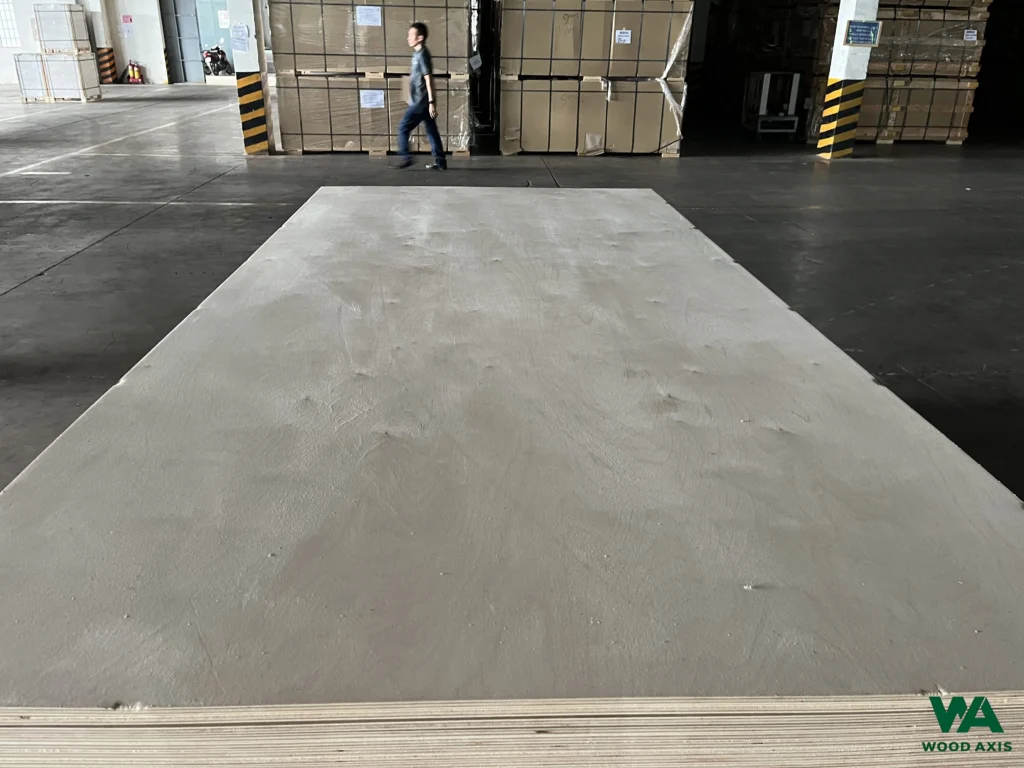
As global supply chains continue to diversify, international timber buyers, furniture manufacturers, and distributors are increasingly looking beyond traditional hubs. Cambodia has emerged as a highly competitive and strategic destination for sourcing high-quality hardwood plywood. Why Source Hardwood Plywood from Cambodia? Sourcing your wood panels from Cambodia provides several distinct financial and strategic advantages: Flexible Manufacturing (OEM/ODM): Unlike massive conglomerates with rigid requirements, many Cambodian suppliers offer better payment flexibility, lower Minimum Order Quantities (MOQs), and a high willingness to customize panel dimensions, core compositions, and face veneers. Tariff and Trade Benefits: Cambodia enjoys preferential trade access to major global markets, including the United States, the European Union, and member nations of the Regional Comprehensive Economic Partnership (RCEP). This often translates to reduced or zero tariffs compared to traditional sourcing countries under anti-dumping duties. Cost Efficiency: Direct access to local and regionally integrated raw materials, paired with lower operational and labor costs, allows Cambodian factories to offer highly competitive pricing without sacrificing structural integrity. Technical Specifications & Common Wood Species Cambodian plywood manufacturers leverage both indigenous and sustainably managed plantation timbers to engineer durable panels for construction, cabinetry, and furniture production. Common Core & Veneer Species Logistics, Ports, and Supply Chain Infrastructure Cambodia’s logistical capabilities have scaled rapidly over the past few years, making container-load shipping efficient and reliable. Conclusion: Cambodia as an Emerging Hardwood Plywood Source Cambodia is becoming an important sourcing destination for global plywood buyers seeking reliable manufacturing partners in Southeast Asia. A professional hardwood plywood supplier in Cambodia can provide: For furniture manufacturers, cabinet producers, and distributors, Cambodia offers a valuable alternative sourcing option in the global plywood market.
Poplar Core vs Eucalyptus Core Plywood: Which Core Material Is Better?
When choosing plywood for cabinets, furniture, and interior applications, the core material plays a critical role in determining strength, stability, weight, and cost. Among the most widely utilized hardwood and softwood options in global manufacturing are Poplar (Populus) and Eucalyptus (Eucalyptus). While both serve as excellent foundations for high-quality plywood, they possess distinct physical and mechanical properties. This comprehensive guide compares Poplar core and Eucalyptus core plywood to help you make an informed procurement decision. 1. Physical Characteristics and Density The fundamental difference between these two core materials lies in their natural wood density, which directly impacts the weight and handling of the finished panels. Key Takeaway: Eucalyptus core plywood is approximately 30% to 50% heavier than poplar core plywood. If your application requires lightweight panels for easier transit or specific interior fixtures, poplar is preferred. If mass and heft are indicators of required quality for your market, eucalyptus stands out. 2. Mechanical Strength and Structural Performance When evaluating bending strength (Modulus of Rupture – MOR) and stiffness (Modulus of Elasticity – MOE), the higher density of Eucalyptus gives it a definitive edge in load-bearing environments. Mechanical Property Comparison Technical Metric Poplar Core Plywood Eucalyptus Core Plywood Density (Average) ~450 kg/m³ ~680 kg/m³ Screw Holding Power Moderate Exceptionally High Impact Resistance Fair Excellent Flexibility / Pliability High (Easy to cut/machine) Low (Rigid and stiff) 3. Moisture Resistance and Durability The core material heavily dictates how a plywood panel responds to humidity, ambient moisture, and external weathering. 4. Ideal Applications for Each Core Type Poplar Core Plywood is Best For: Eucalyptus Core Plywood is Best For: Conclusion: Which Should You Choose? The decision between Poplar and Eucalyptus cores hinges entirely on your specific market requirements. If your priority is a lightweight, easy-to-machine, and perfectly flat panel for interior decor or furniture, Poplar is the industry standard. However, if your project demands maximum structural strength, superior moisture resilience, and rugged durability for construction or industrial use, Eucalyptus is well worth the extra weight. For many B2B buyers looking for the middle ground, asking a manufacturer for a Combi Core (Poplar + Eucalyptus hybrid) offers an optimized balance of both worlds.
What is Edge Banding for Plywood?
Edge banding is a manufacturing process used to cover the raw, exposed, and unsightly edges of plywood panels. Because plywood is made by gluing together multiple layers of wood veneers, cutting it leaves a visible “sandwich” of plies on the edges. Edge banding covers these rough edges with a thin strip of matching material, giving the plywood the appearance of a solid piece of wood or a seamless, solid surface. Why Is Edge Banding Used? Common Types of Edge Banding Materials Depending on the project requirements and budget, different materials are used: Material Type Description Best Used For Wood Veneer Real, ultra-thin strips of wood (like Oak, Walnut, Birch, or Maple) backed with paper or fleece. It can be stained and finished just like the plywood face. High-end furniture, architectural cabinetry, and stained projects. PVC / ABS Rigid plastic strips available in thousands of solid colors, faux wood grains, and textures. It is incredibly durable and impact-resistant. Commercial furniture, modular kitchen cabinets, and high-traffic areas. Melamine A resin-coated paper strip that is cost-effective and typically matches solid-colored or melamine-faced plywood (like white or grey panels). Utility shelving, cabinet carcasses, and internal hidden panels. This is where edge banding for plywood becomes a critical component of the manufacturing process. For B2B buyers, sourcing the right edge banding materials and understanding their application is key to delivering high-end, durable finished products.
Why Rift Cut White Oak Plywood is the Ultimate Choice for Luxury Modern Cabinetry
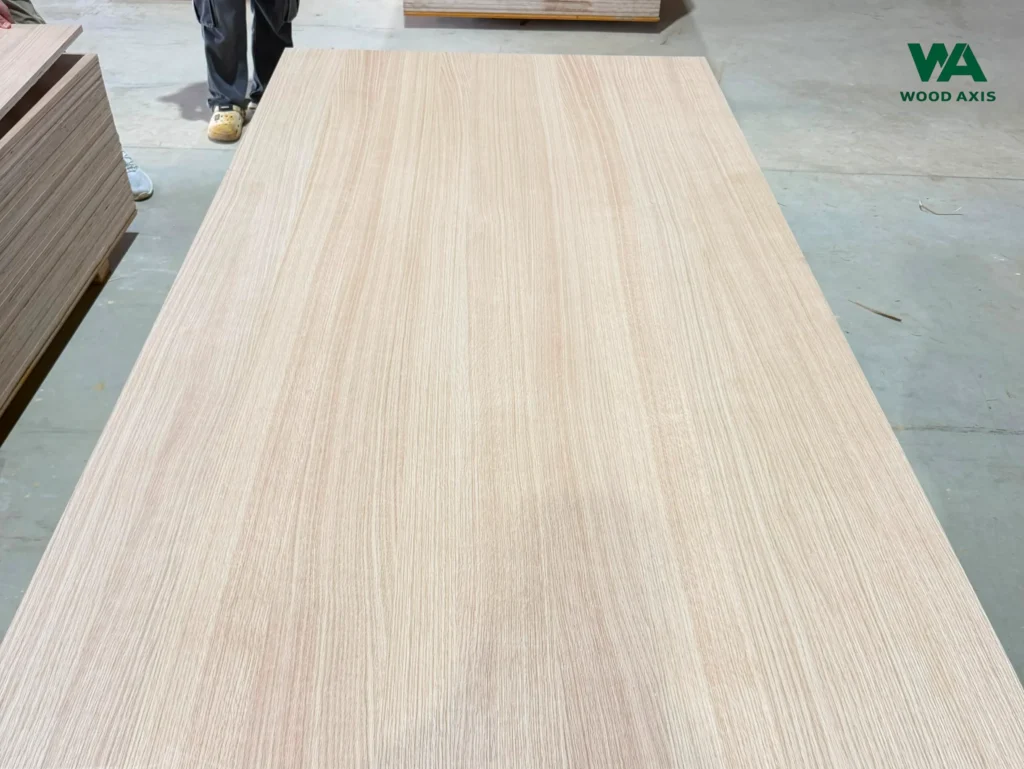
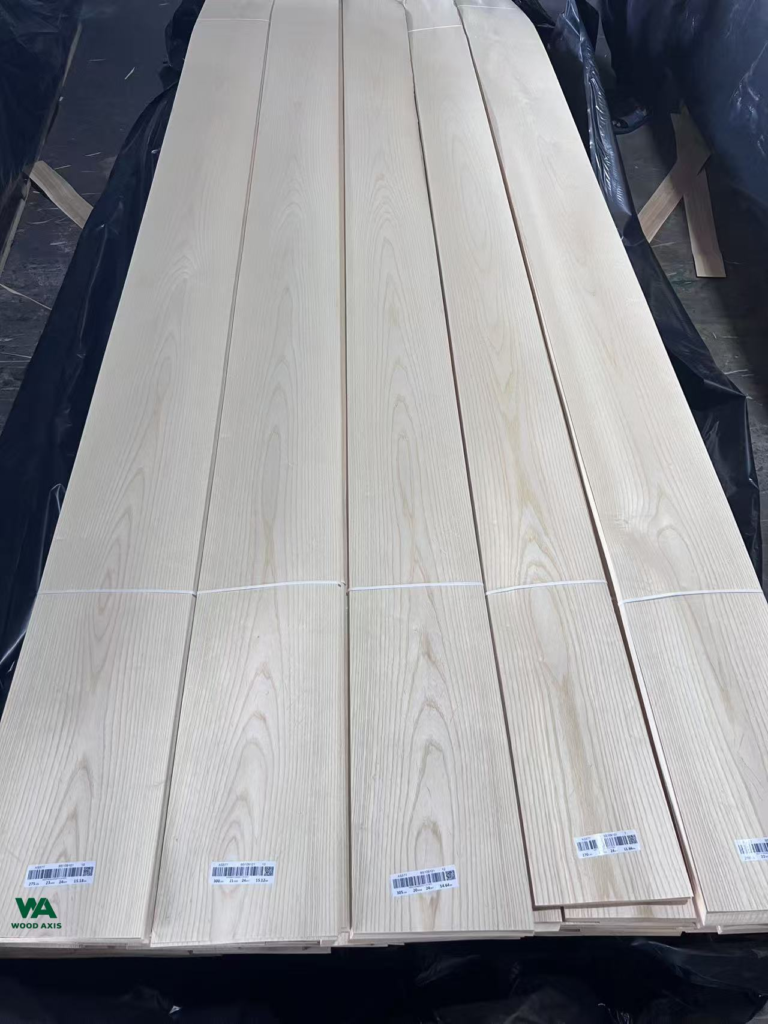
In the world of high-end interior design and premium cabinets millwork, trends shift, but materials that exude quiet luxury remain timeless. Today, global luxury furniture makers, and premium cabinetry manufacturers are increasingly turning to one specific material for their flagship projects: Rift Cut White Oak Plywood. Known for its distinct grain, exceptional durability, and neutral color palette, natural white oak veneer combined with a high-performance plywood core offers the perfect balance of organic beauty and structural stability. 1. What is Rift Cut White Oak Veneer? To understand its premium value, one must look at how the wood is sliced. Unlike plain-slicing (which cuts across the log to produce traditional, wavy “cathedral” grain patterns), rift cutting slices the log at a precise 45° angle to the grain. This highly specialized technique requires exceptional craftsmanship and results in more wood waste during production, making it a scarcer, more exclusive material. The payoff, however, is an incredibly uniform, vertical, and ultra-clean linear pattern. 2. The Unique Advantages of Premium Straight Grain For luxury applications, the visual and physical properties of rift-cut white oak veneer offer unmatched design advantages: A. Flawless Visual Symmetry and Consistency Standard cutting methods often yield unpredictable, swirling grain variations that can look cluttered in large-scale installations. Rift-cut veneer delivers tight, straight, parallel lines. This linear consistency allows factory teams to perform seamless sequence matching and book matching across expansive surfaces without jarring visual interruptions. B. Elimination of “Ray Flecks” (Medullary Rays) While quarter-sawn oak produces prominent, shiny flake patterns (ray flecks), the specific angle of a rift cut minimizes these flecks. The result is a pure, minimalist, pencil-stripe grain that fits perfectly into contemporary, high-end design aesthetics like Modern Minimalist, Japandi, and High-End Mid-Century Modern. C. Superior Dimensional Stability White oak is naturally dense and moisture-resistant due to its closed cellular structure (thyloses). When sliced via the rift method and bonded to a high-performance, multi-layered plywood core, the internal stresses of the wood are perfectly balanced. The final panel offers extraordinary resistance to warping, cupping, and splitting—critical for tall, handleless luxury cabinet doors and floor-to-ceiling wall paneling. 3. Primary Applications in High-End Interiors Rift-cut white oak plywood panels deliver the highest return on investment in spaces where seamless continuity and upscale minimalist branding are required: 4. Sourcing the Perfect Panel In the luxury market, there is no room for error. Sourcing high-quality rift-cut white oak plywood requires a manufacturing partner who understands precise log selection, tight slicing tolerances, and strict core calibration. Investing in premium straight grain panels ensures your final installations project the flawless, sophisticated, and high-end aesthetic your discerning clients demand.
What Kind of Plywood Is Best for Cabinets?
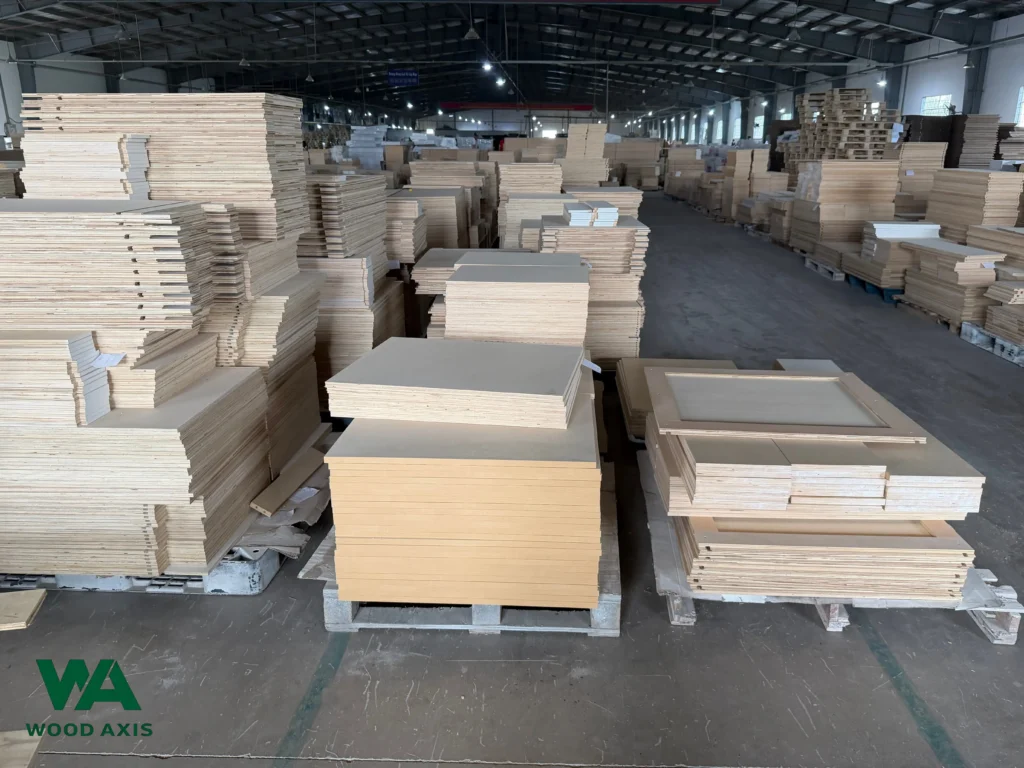
Choosing the right plywood is one of the most important decisions when building kitchen cabinets, bathroom vanities, wardrobes, or custom furniture. While solid wood is often praised, plywood is the undisputed champion among professional cabinetmakers. It offers superior dimensional stability, high screw-holding power, and resistance to warping. But with so many grades, core types, and wood species on the market, how do you choose? This data-driven guide breaks down the best plywood for cabinets based on structural integrity, aesthetics, and industry standards. 1. Plywood Core Types: Which is Best for Cabinets? Plywood isn’t just one solid piece of wood; it’s a sandwich of wood plies or alternative cores. The core determines the weight, strength, and price of your cabinets. A. Veneer Core (VC) — The Standard Choice This consists of alternating layers of softwood or hardwood plies running perpendicular to each other. It is lightweight, strong, and the most common choice for residential cabinet boxes. B. Cabinet-Grade MDF Core (Medium-Density Fiberboard) — The Ultra-Flat Choice MDF-core plywood features a real wood veneer over a highly compressed wood fiber core. C. Particleboard Core (PBC) — Dimensional Stability & Value Engineering PBC consists of wood chips, shavings, and flakes bonded together with resin. High-grade industrial particleboard features a multi-layered structure with larger shavings in the center for structural integrity and highly compressed fine particles on the outer edges. 2. HPVA Grading Standards for Cabinet Face Veneers Regardless of the interior core chosen, the visible surface grade is determined by the Hardwood Plywood and Veneer Association (HPVA) standard. The face is graded via a letter system, while the back uses numbers: 3. Environmental Regulations and Indoor Air Quality Because cabinets house personal kitchenware and are installed inside living environments, regulatory compliance for indoor emissions is critical. Regulatory Compliance Checklist: Ensure all selected panels carry certified compliance logos denoting adherence to the California Air Resources Board (CARB) Phase 2 and the EPA TSCA Title VI emission standards. Leading manufacturers offer specialized lines utilizing soy-based, formaldehyde-free resins that reduce volatile organic compound (VOC) off-gassing to near-zero levels. 4. Moisture Resistance Kitchens and bathrooms are high-humidity environments. Data Check: The National Kitchen & Bath Association (NKBA) notes that moisture damage is one of the top reasons for premature cabinet failure. Ensure your plywood uses moisture-resistant resins (look for Exposure 1 or exterior glue ratings if building near high-moisture zones like under-sink bases). Conclusion The best plywood for cabinets depends on budget and application, but hardwood plywood are widely recognized as the top-performing materials in the industry. If durability, screw strength, and long-term stability are priorities, plywood—especially high-grade birch plywood—is the most reliable choice for modern cabinet construction.