
Advantages of Birch Plywood over Regular Plywood
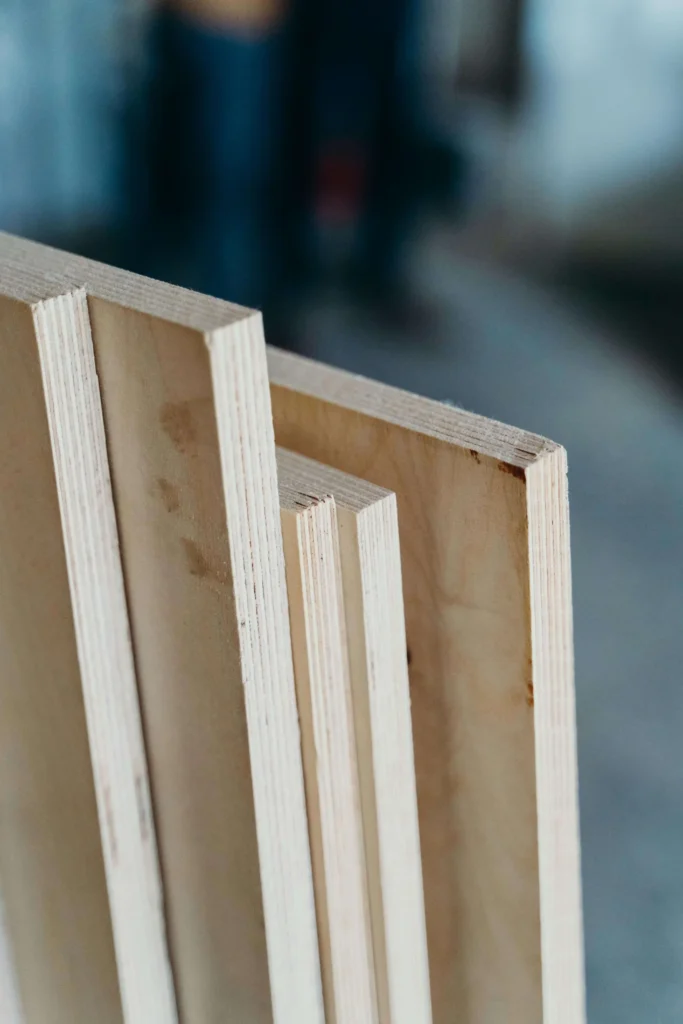
Birch plywood is available in a variety of thicknesses to accommodate diverse applications. Common thickness dimensions for birch plywood include: 3mm birch plywood(1/8 inch): Often used for lightweight applications and crafts. 6mm birch plywood(1/4 inch): Suitable for general woodworking projects and interior applications. 9mm birch plywood(3/8 inch): Provides increased stability and is commonly used in furniture construction. 12mm birch plywood(1/2 inch): Versatile thickness for various applications, including cabinetry and construction. 1 18mm birch plywood(3/4 inch): A standard thickness widely used in construction, furniture, and other heavy-duty applications. Strength and Durability Birch Plywood: Exhibits superior strength and durability due to its composition of multiple layers of birch veneer, making it more robust in demanding applications. Regular Plywood: Generally has a lower strength-to-weight ratio compared to baltic birch plywood, making it less suitable for heavy-duty use. Uniform Grain Pattern Birch Plywood: Features a consistent and aesthetically pleasing grain pattern, enhancing the visual appeal of finished products in applications such as furniture and interior design. Regular Plywood: May have a less uniform appearance, with variations in grain pattern that can affect the overall aesthetic quality. Resistance to Warping Birch Plywood: Cross-grain construction minimizes the risk of warping and twisting, ensuring long-term structural stability. Regular Plywood: More susceptible to warping, especially when exposed to moisture or changes in environmental conditions. Moisture Resistance Birch Plywood: Shows better resistance to moisture-related issues, making it a preferred choice for applications where exposure to humidity is a concern. Regular Plywood: Can be prone to damage and warping when exposed to moisture over time. Versatility in Finishing Birch Plywood: Adaptable to various finishes, including paints, stains, and laminates, providing greater flexibility in design and customization. Regular Plywood: May have limitations in terms of finishing options, limiting the range of design possibilities. Screw Holding Capacity Birch Plywood: Demonstrates excellent screw holding capacity, ensuring secure fastening in construction and woodworking projects. Regular Plywood: May have a lower screw holding capability, potentially impacting the reliability of fastenings. Premium Quality Birch Plywood: Positioned as a high-quality wood product with a premium price point, offering superior performance in various applications. Regular Plywood: Generally considered a more economical option, but with potential trade-offs in terms of quality and performance. Global Market Presence Birch Plywood: Enjoys a global market presence, serving diverse industries and applications due to its exceptional qualities. Regular Plywood: Widely available and used, but may not match the premium quality and versatility of birch plywood. In summary, birch plywood’s advantages over regular plywood lie in its enhanced strength, uniform appearance, resistance to warping and moisture, versatility in finishing, and overall premium quality, making it a preferred choice for a wide range of applications.
What Is Birch Plywood?
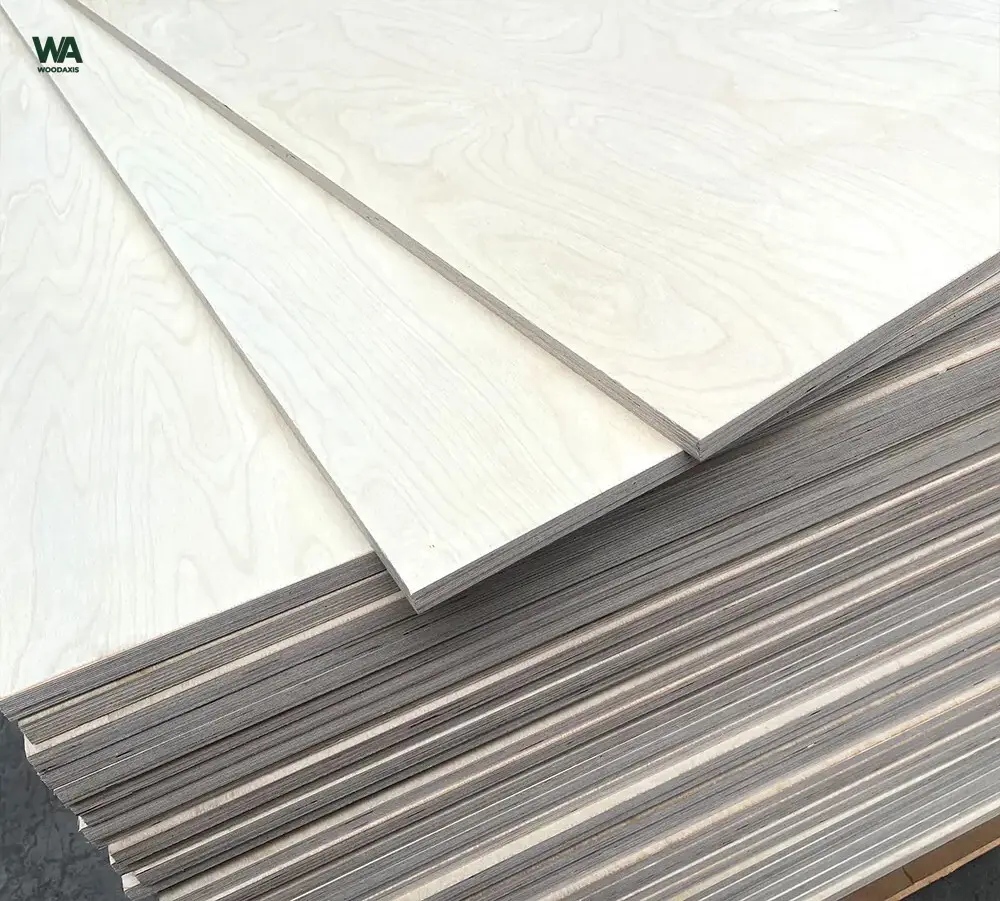
Birch Plywood Birch plywood is a hardwood plywood favored by craftsmen and designers for its panel strength, texture, durability and ease of processing. Birch plywood is durable, warp-resistant, and ideal for demanding projects that require longevity and structural integrity. Birch plywood is a multi-layer birch veneer structure, and the main raw material is birch. Birch is a fast-growing hardwood of which there are 30-50 species worldwide. Most birch trees have a life expectancy of 60-90 years, with an average maximum height of less than 30 meters and a maximum diameter of 40 centimeters. Birch trees are monoecious and can easily colonize open terrain and woodland systems, making them a renewable resource. The three main producing areas of birch: North America/Northern Europe/North Asia.Among them, Baltic birch is very popular. Baltic birch is not a specific birch species, but a general name for plywood from neighboring Baltic countries such as Russia and Finland. As with any natural wood product, quality will vary from species to species. Baltic birch plywood is generally considered to be of higher quality than standard birch plywood. Structure of birch plywood Birch plywood is made from multiple layers of birch veneer. The number of layers depends on the thickness of the panel, its intended use, and the manufacturer’s specifications and workmanship.The two outermost layers are called face and back, while the inner layer is called the core material. The core is also made from multi-layer veneer. Core material options include birch, poplar, eucalyptus, pine or poplar veneer. A variety of core materials can also be mixed and matched, depending mainly on the intended use of the panel and the manufacturer’s specifications. The type of veneer and configuration of the core help determine the strength and durability of the plywood. Different types of birch plywood: Birch plywood can be divided into many types according to different production processes and uses. Sanded finished birch plywood can be used in cabinetry, furniture and millwork applications.Rough-surfaced birch plywood for industrial/structural needs.Birch plywood is available in a choice of different surface grades, glue lines, core structures, sizes and thicknesses. They can also be specified for UV treatment on one or both sides. The types of UV you choose generally include transparent UV or yellow UV, which makes the surface smooth and shiny and better protects the surface of the plywood. Birch plywood uses: Uses include a variety of applications such as millwork, furniture, structural/industrial applications, shop fittings, pattern making, plywood underlayment, film faced plywood, interior decoration, joinery solutions, countertops, and small construction projects. Each type of birch plywood has multiple uses. Environmental considerations: Many birch plywood manufacturers adhere to environmentally responsible practices. Choosing or PEFC certified products ensures responsible forest management and contributes to a greener, healthier environment. Align your project with eco-conscious values. Features of birch plywood: Strength and Durability: Birch plywood has excellent structural strength. Plywood is made up of multiple thin layers of birch veneer, each layer is criss-crossed and bonded together according to the grain of the wood, making it incredibly resilient. And it can withstand huge loads, making it ideal for applications that require strong support. Smooth Surface: One of the distinguishing characteristics of birch plywood is its exceptionally smooth and uniform surface. Birch’s fine-grained texture combined with its consistent layering helps create the perfect canvas for finishing treatments such as painting, staining or veneering. Beautiful Wood Texture: The birch plywood surface has a natural birch wood texture, and the light color appearance adds a touch of elegance to any project. The clean, blemish-free surface accentuates its natural beauty, making it the first choice for applications where aesthetics are important, such as furniture, cabinetry and interior decoration. Versatility Across Applications: The versatility of this wood is unmatched. It can be seamlessly integrated into a variety of creative activities, from complex woodworking projects and furniture making to architectural paneling and model making. Its inherent strength and refined appearance make it equally suitable for structural and decorative applications. Affects Structural Integrity: The layered composition of birch plywood not only helps increase its strength but also enhances its structural stability. It minimizes the risk of warping, shrinking or swelling due to changes in humidity or temperature, ensuring your creation maintains its integrity over time. Easy to work: Craftsmen appreciate its workability. It can be easily cut, shaped and joined whether by hand or using woodworking machinery. This feature helps in crafting intricate designs with precise and seamless connections. Birch plywood Grade: Birch plywood comes in front and back grades. Due to different countries and regions, the levels will also be different, but the overall difference is not big. B/BB: single front and back veneer. Surface veneers are considered defect-free and light and uniform in color. There can be 3-6 color-matched knots on the back that are oval in shape and about the size of an egg. BB/BB: Single piece front and back. Front and back finishes allow an average of 3-6 small patches of color matching and some light mineral streaking. Tight knots may be present. BB/CP: Single piece front and back. “CP” back veneer is a downgrade from “BB” grade veneer, which allows unlimited patches and sound knots, but does not allow open defects. CP/CP: Monolithic front and back. Front and back grade veneer allows for unlimited sound levels and repair of cracks and unlimited patches. This panel is acoustic on both sides and is designed for lamination. C/C: Patches, slits, and small veneer tears are allowed. Veneer overlap and small core gaps are allowed. The panel is unsanded and can be used for structural purposes. Click here to explore our birch plywood!
What is Natural Wood Veneer?
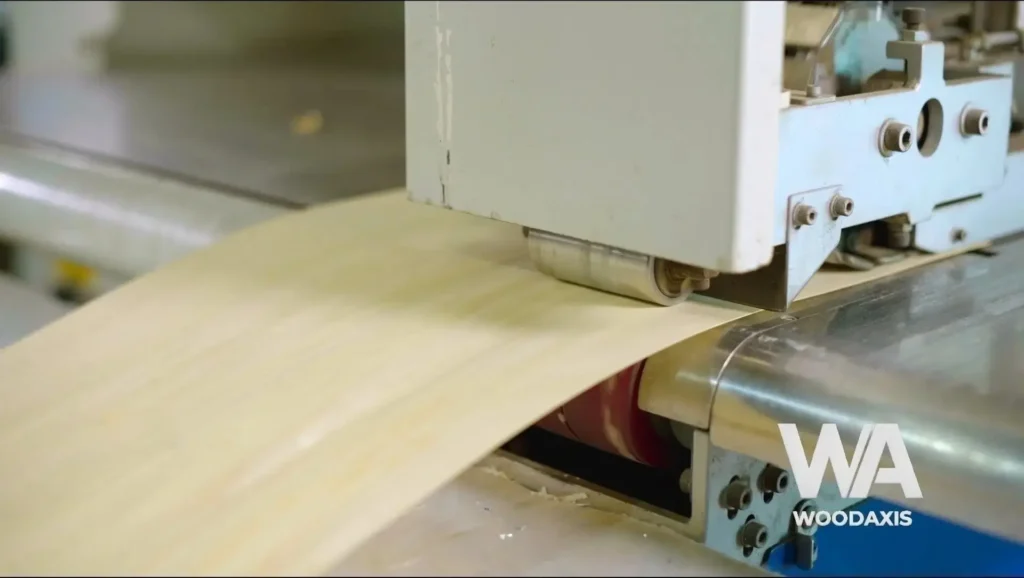
Nature wood veneer refers to thin slices of solid wood, commonly used in furniture, construction, and decoration. These sheets, also known simply as “veneer,” provide the visual appeal of natural wood at a fraction of the cost. Two main production methods—rotary cutting and slicing—yield veneers with distinct looks and textures. In this article, we’ll explore the production methods, types of natural wood veneer, and common uses to help you understand its value and versatility. Rotary Veneer Rotary veneer is a type of wood veneer made by rotary cutting. In this process, logs are placed on a rotating platform, and a blade peels a continuous sheet from the log’s outer edge. This method produces a long, ribbon-like sheet with a bold, varied grain pattern, making rotary veneer unique in appearance. Here’s a brief look at how it’s made: Rotary-cut veneer is often used in plywood manufacturing, where sheets are layered with alternating grain directions. This construction adds strength and stability, making plywood ideal for various structural applications. Sliced Veneer Sliced veneer is another method for producing wood veneer, but instead of peeling the veneer off in a spiral, it is cut in sheets. This method results in a more consistent grain pattern, making it popular for high-quality, decorative applications. The process involves several steps: Sliced veneer is often chosen for furniture, cabinetry, and paneling due to its attractive grain and refined look. Its consistent grain pattern also allows for greater control over a piece’s appearance, making it a favorite for decorative finishes. Common Applications of Natural Wood Veneer Natural wood veneer is prized for its versatility and natural appearance, and it finds use in a wide range of applications: 1. Decorative Interiors Natural wood veneer adds warmth and character to interior spaces. It is often used on walls, floors, and ceilings, as well as on decorative surfaces like wall panels and trim. The natural grain of the veneer enhances a room’s aesthetic, providing an organic look. 2. Furniture Making Wood veneer is frequently used in furniture, giving pieces the look of solid wood while improving stability. High-quality furniture such as tables, chairs, and cabinets often feature natural wood veneer for a fine, polished finish. This application also allows furniture makers to achieve a luxurious look without using solid hardwood, which is more expensive. 3. Construction In construction, wood veneer can be applied to structural elements like walls and ceilings, bringing natural beauty to buildings. Veneer adds visual appeal to architectural features while keeping material costs lower than using solid wood. Plywood, which often incorporates rotary veneer layers, is commonly used in construction due to its strength. 4. Arts and Crafts Natural wood veneer is also popular in arts and crafts projects. Woodworkers and artists use veneer in wood carvings, collages, and custom designs, appreciating its unique grain patterns and range of colors. Veneer’s thin, flexible sheets make it ideal for creating intricate designs and adding wood accents to artistic projects. Final Thoughts on Natural Wood Veneer Natural wood veneer combines aesthetic appeal with practicality, offering the look and warmth of solid wood in a more accessible form. Whether produced through rotary cutting or slicing, veneers provide unique textures and patterns that suit a wide range of applications, from furniture and construction to decorative art. With its natural beauty and versatility, wood veneer remains a valuable material for designers, builders, and craftsmen alike.