
Structural Plywood
- Name: Structural Plywood
- Size: 1220x2440mm, 1250x2500mm, 1250x3000mm, or as your needs
- Thickness: 2.7~30mm
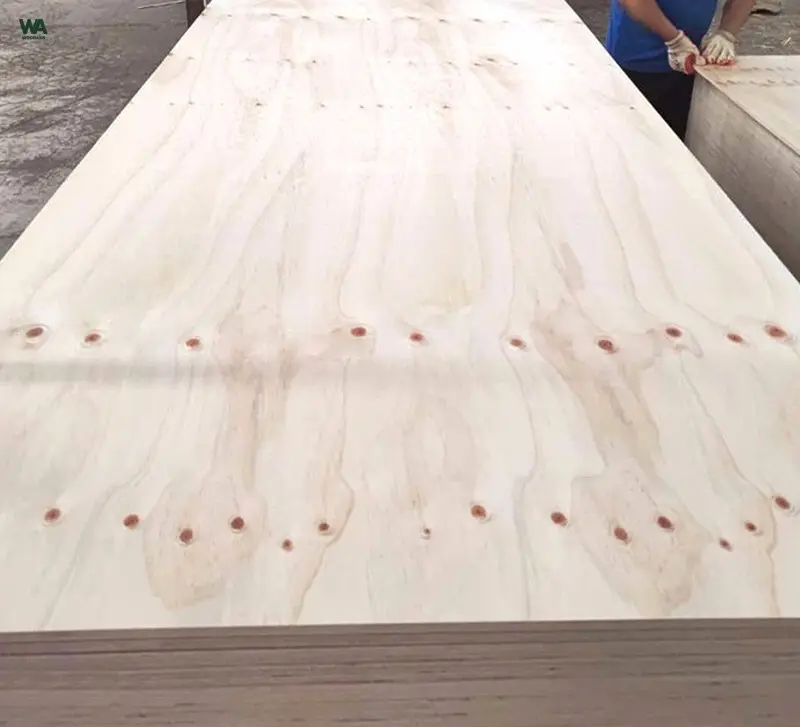
- Face/Back: Pine,CDX
- Core Material: Pine,Poplar,Combi core or as request
- Glue: Phenolic, WBP, E0, E1, E2
- MOQ: 1*20GP
- Density: 550-700kg/m3
- Moisture Content: 8%~14%
- Certification: FSC, CE, EUDR, CARB, EPA
- Usage: Construction
What Is Structural Plywood?
High-Performance Structural Plywood: The Backbone of Modern Construction
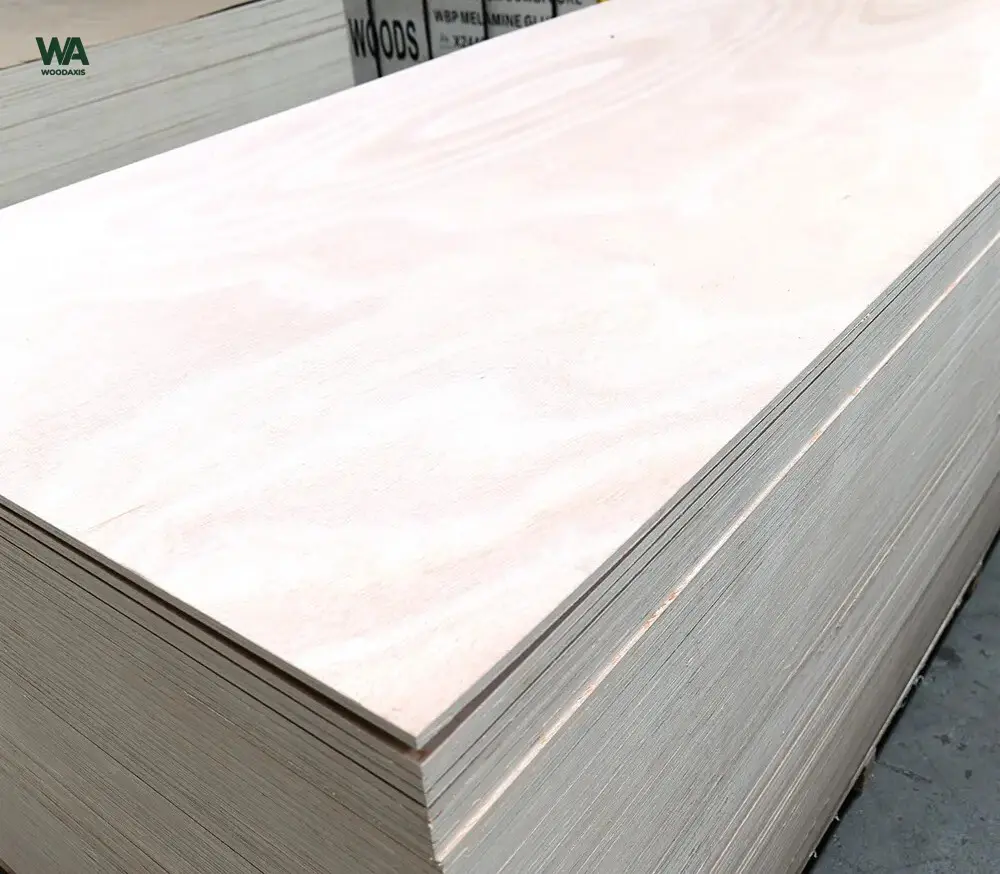
Structural Plywood is a high-strength engineered wood panel designed specifically for load-bearing applications where safety and durability are paramount. Manufactured to meet rigorous international building codes (such as AS/NZS 2269, PS 1-09, or EN 13986), this specialized plywood provides the essential shear strength and rigidity required for permanent architectural frameworks.
Built with a high-density core and bonded with permanent WBP Phenolic (A-Bond) glue, our structural panels are engineered to maintain their integrity under heavy mechanical stress and temporary exposure to moisture during the construction phase.
Key Technical Advantages:
Certified Load-Bearing Capacity: Available in various stress grades (such as F8, F11, or F17), providing predictable performance for roofing, flooring, and wall bracing.
Weather-Resistant Bonding: Utilizing A-Bond exterior glue, these panels are designed to resist delamination even in humid or wet conditions.
Superior Dimensional Stability: The cross-laminated construction minimizes expansion and contraction, ensuring a flat and stable substrate for finished surfaces.
High Impact Resistance: Offers a superior strength-to-weight ratio compared to other building materials, making it ideal for heavy-duty industrial use.
Primary Applications:
Roof & Wall Sheathing: Provides critical lateral bracing and a secure base for exterior cladding.
Structural Sub-flooring: The preferred choice for supporting heavy floor loads in residential and commercial buildings.
Industrial Packaging: Heavy-duty crating for machinery and high-value transport.
Formwork Support: Used in concrete shuttering and temporary staging where structural safety is non-negotiable.
All Structural Plywood
FAQ
1. What exactly makes plywood “Structural”?
Plywood is classified as “Structural” when it is manufactured and tested to meet specific mechanical standards (such as AS/NZS 2269, PS 1-09, or EN 13986). Unlike standard plywood, structural panels have a certified stress grade (e.g., F8, F11, F17), meaning engineers can calculate exactly how much weight and pressure the board can safely handle.
2. Can Structural Plywood be used outdoors?
Yes, but with conditions. Structural plywood is bonded with WBP Phenolic Glue (A-Bond), which is permanent and waterproof (it won’t delaminate in rain). However, the wood itself can still decay or grow mold if left wet for long periods. For permanent outdoor exposure, the plywood should be treated (H2 or H3 level) or sealed with a protective coating.
3. What is the difference between CDX and Structural Plywood?
CDX is a specific type of structural plywood common in the US. The “CD” refers to the veneer grades (C-grade face, D-grade back), and the “X” stands for Exterior glue. While all CDX is structural, not all structural plywood is CDX—some may have higher-grade veneers (like BC) or meet different international standards.
4. Is Structural Plywood stronger than OSB (Oriented Strand Board)?
Generally, yes. While OSB is a popular, cost-effective alternative for sheathing, Structural Plywood typically offers higher impact resistance and better screw-holding strength. Plywood also tends to swell less than OSB when exposed to moisture and dries out more quickly.
5. What do the “F-Grades” (F8, F11, F17) mean?
These are “Stress Grades” used primarily in Australia and New Zealand. The number represents the characteristic strength of the wood in Megapascals (MPa). For example, F17 is much stronger than F8 and is used for high-load applications like heavy-duty flooring or commercial bracing.