
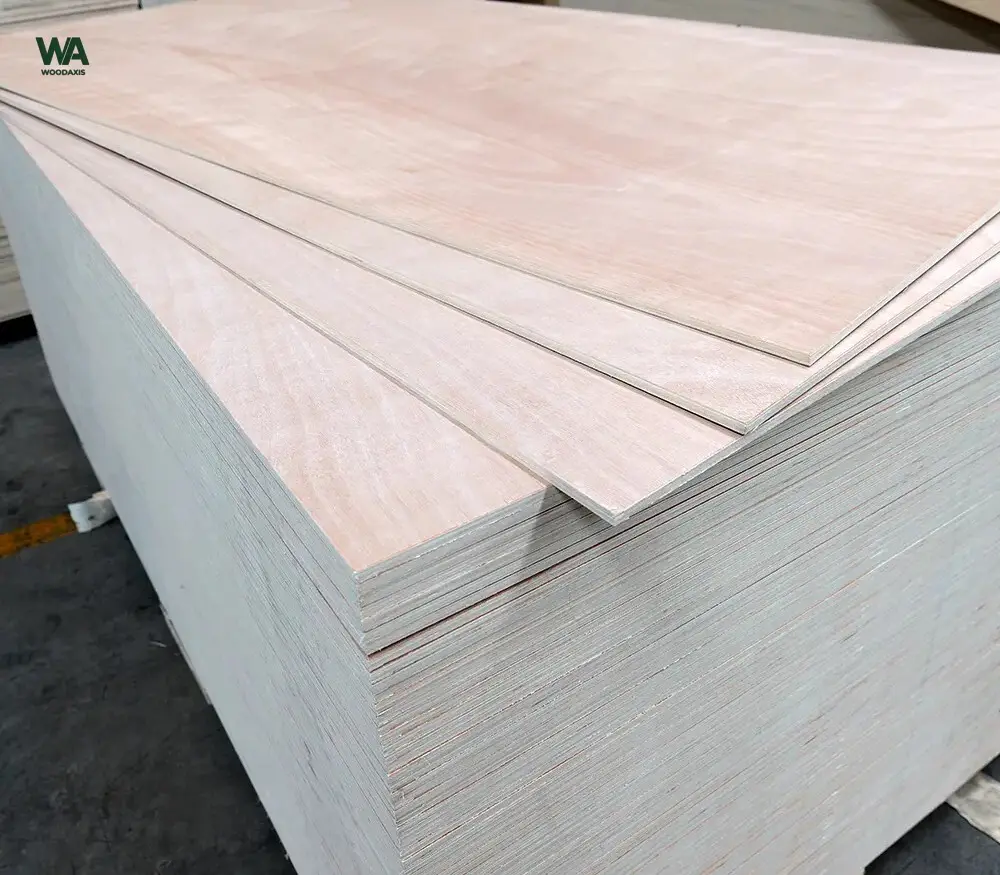
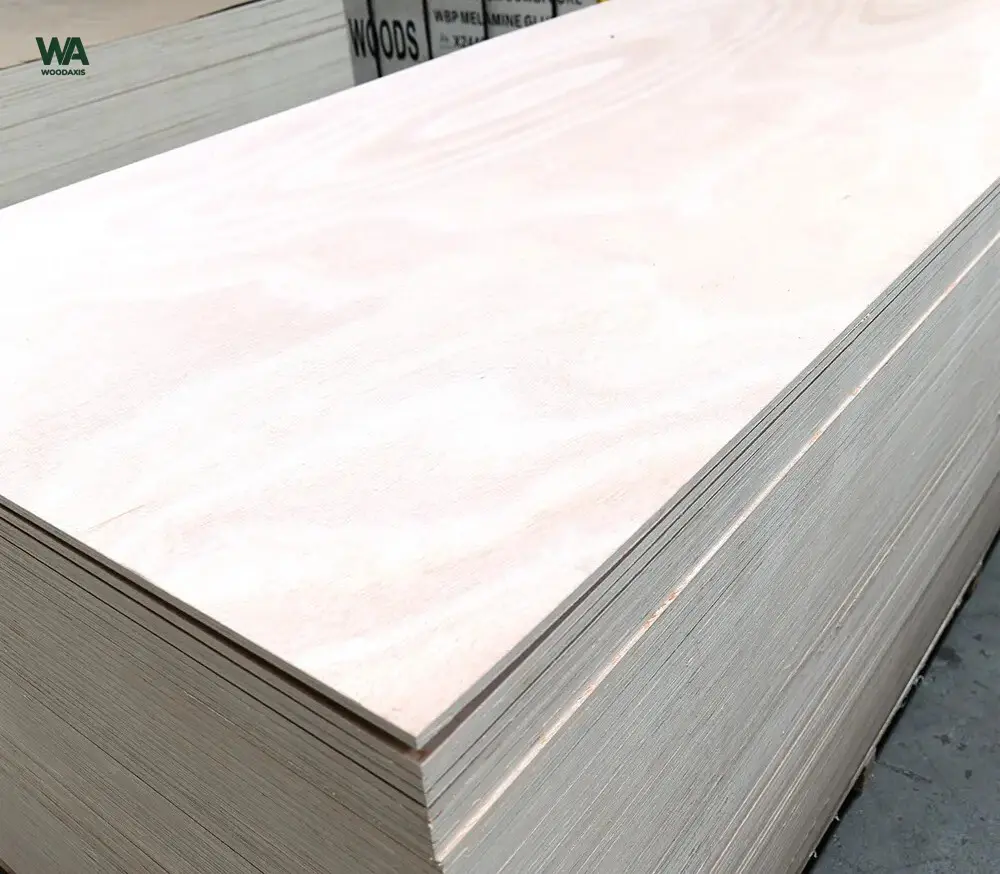
Marine Plywood
- Size: 1220x2440mm, 1250x3000mm, or as requested
- Thickness: 2.7~30mm
- Glue: WBP Melamine, E0, E1, E2
- Face/Back: Okoume wood veneer
- Core Material: Birch, Eucalyptus, Poplar, Combi core or as request
- Certification: FSC, CE, EUDR, CARB, EPA
- Usage:Furniture,Water-Resistant Construction
Description
Marine Plywood: The Ultimate Waterproof Solution for Extreme Environments
Marine Plywood is a premium-grade structural panel specifically engineered for use in environments where it will be exposed to moisture, high humidity, or boiling water for extended periods. Unlike standard exterior-grade plywood, Marine Plywood is manufactured to the highest technical standards—most notably the British Standard BS 1088—to ensure it does not delaminate or decay under the most demanding conditions.
What Makes Plywood “Marine Grade”?
To qualify as true Marine Plywood, the panel must meet several rigorous manufacturing criteria that set it apart from utility-grade wood:
Void-Free Core: Each internal layer (ply) is selected to ensure there are no “core voids” (internal gaps or holes). This prevents water from trapping inside the panel, which is the primary cause of internal rot and fungal growth.
WBP Phenolic Glue: The veneers are bonded using Water Boil Proof (WBP) adhesive. This synthetic resin glue is chemically stable and will not break down even when submerged in boiling water or exposed to saltwater.
High-Quality Hardwood Veneers: Marine Plywood is typically constructed from naturally durable hardwoods like Okoume, Meranti, or Douglas Fir. These species offer superior resistance to impact and decay compared to softwoods.
Equal Ply Thickness: High-end marine panels use multiple thin veneers of equal thickness, providing a balanced construction that resists warping and twisting.
Key Performance Specifications
Durability: Designed to last decades when properly sealed with epoxy or marine-grade varnish.
Strength-to-Weight Ratio: Offers exceptional stiffness and load-bearing capacity, essential for hull construction.
Surface Finish: Usually comes with a high-quality “A-grade” face, sanded smooth and ready for fiberglassing, painting, or clear coating.
Primary Applications
Marine Plywood is the first choice for industries where failure is not an option:
Boat Building: Hulls, transoms, bulkheads, and decking for yachts, kayaks, and commercial vessels.
Docks and Piers: Walkways and structural supports for marinas and lakefront properties.
Luxury RVs and Campers: Flooring and cabinetry in high-end expedition vehicles to prevent moisture damage from condensation.
Architectural Features: High-end outdoor kitchens, garden rooms, and coastal residential cladding.
Marine Plywood vs. Exterior Plywood: The Difference
While both use water-resistant glue, Exterior Plywood allows for small internal voids and lower-quality core veneers. Marine Plywood forbids these flaws. If you are building a structure that will be permanently or frequently wet, the investment in Marine Grade is essential to prevent catastrophic delamination.
Summary: A High-Value Investment
While Marine Plywood carries a higher price point, its longevity and safety profile make it the most cost-effective choice for maritime and high-moisture projects. By choosing BS 1088 certified panels, you are ensuring your project is built to an international standard of excellence.