
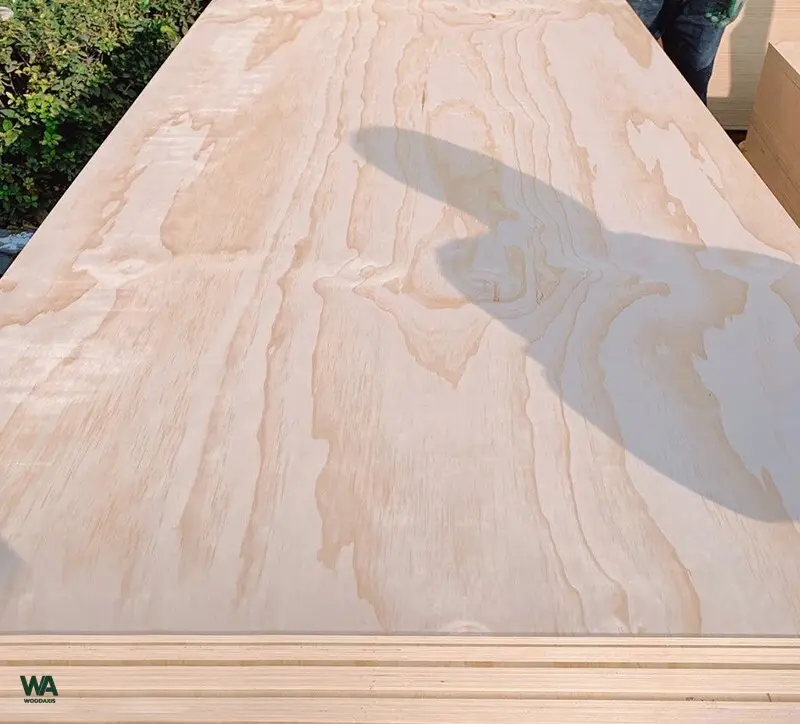
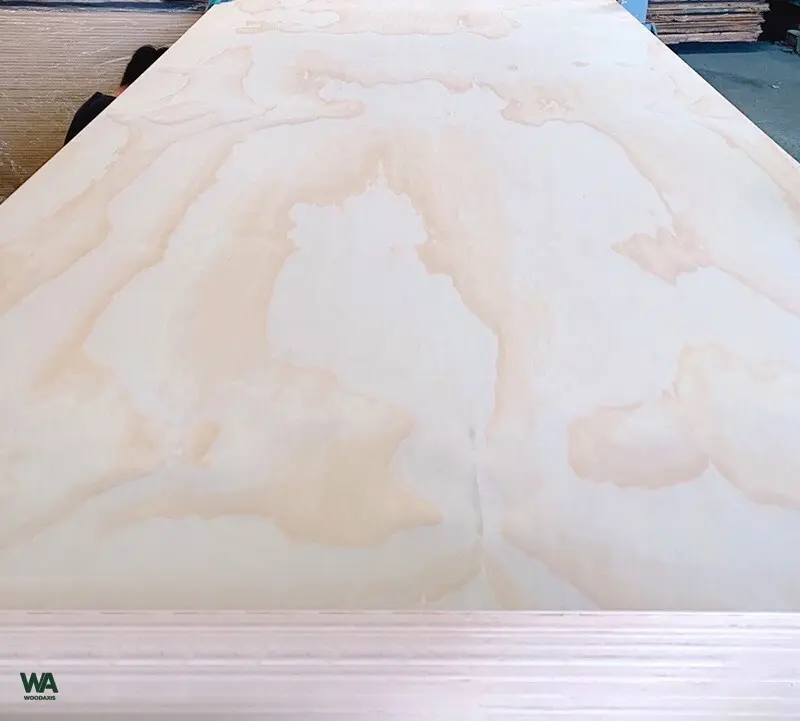
Pine Plywood
- Size: 1220x2440mm, 1250x3000mm, or as requested
- Thickness: 2.7~30mm
- Glue: Phenolic, E0, E1, E2
- Face/Back: Pine, CDX
- Core Material: Pine, Combi core or as request
- Certification: FSC, CE, EUDR, CARB, EPA
- Usage:Furniture,Flooring
Description
Why Choose Pine Plywood? The Ultimate Blend of Strength, Versatility, and Value
In the world of engineered wood, Pine Plywood stands out as the premier “all-rounder.” Whether you are a structural engineer, a furniture designer, or a high-volume manufacturer, choosing pine plywood offers a unique set of technical and economic advantages. Sourced from sustainable softwood plantations, this material provides a high-performance alternative to expensive hardwoods and heavy composites.
1. Exceptional Strength-to-Weight Ratio
One of the primary reasons to choose Pine Plywood is its structural efficiency. Despite being significantly lighter than Birch or Oak, Pine Plywood maintains high flexural strength.
Ease of Handling: Its lighter weight reduces labor fatigue during installation on large-scale roofing or flooring projects.
Structural Integrity: The cross-laminated construction prevents splitting at the edges, even when high-pressure fasteners are used.
2. Superior Cost-Effectiveness
For large-scale commercial projects, budget is a critical factor. Pine Plywood is widely regarded as the most cost-efficient structural panel on the market.
Lower Material Costs: It offers the structural performance of premium panels at a fraction of the price.
Reduced Finishing Costs: Its naturally light, creamy color requires fewer coats of primer or stain to achieve a high-end “Scandinavian” look.
3. Excellent Workability and Tool Retention
Unlike denser hardwoods that can dull saw blades quickly, Pine Plywood is exceptionally “tool-friendly.”
Precision Cutting: It cuts cleanly with standard CNC routers, table saws, and laser cutters.
Screw & Nail Holding: The natural resins within pine fibers provide a “grip” that prevents fasteners from backing out over time, a common issue with MDF or particle board.
4. Sustainability and Environmental Impact
In 2026, sustainable sourcing is a top priority for global trade.
Renewable Resource: Pine trees (such as Radiata or Southern Yellow Pine) are fast-growing and typically harvested from FSC or PEFC-certified plantations.
Low Carbon Footprint: Because pine is grown and processed in vast quantities globally, the “embodied energy” of the product is lower than that of many exotic timbers.
5. Versatility Across Grades
The diversity of Pine Plywood grades allows it to be used in nearly every phase of construction:
Sanded AC/BC Grades: Used for premium cabinetry, wall paneling, and visible furniture components.
CDX Structural Grades: The industry standard for roof sheathing, subflooring, and exterior crates.
Marine & Exterior Grades: Utilizing WBP (Water Boil Proof) phenolic glue for high-moisture environments.
Summary: Is Pine Plywood Right for Your Project?
Choose Pine Plywood if you need a reliable, eco-friendly, and budget-conscious material that doesn’t sacrifice structural performance. Its bold grain patterns and warm tones also make it a favorite for modern interior designers looking for a “natural wood” aesthetic without the hardwood price tag.