
Bending Plywood
- Size: 1220x2440mm, 1250x3000mm, or as requested
- Thickness: 2.7~30mm
- Face/Back: Birch, Eucalyptus, Poplar, Combi core or as request
- Core Material: Birch, Eucalyptus, Poplar, Combi core or as request
- Certification: FSC, CE, EUDR, CARB, EPA
- Usage:Curved Furniture,Architectural Features
Description
Ultimate Guide to Bending Plywood: The Flexible Solution for Curved Woodwork
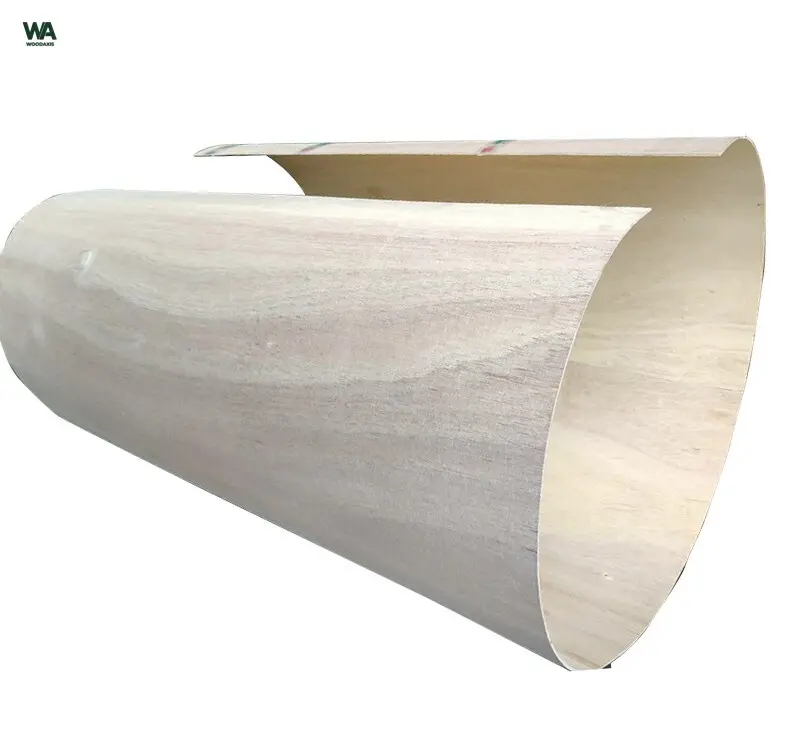
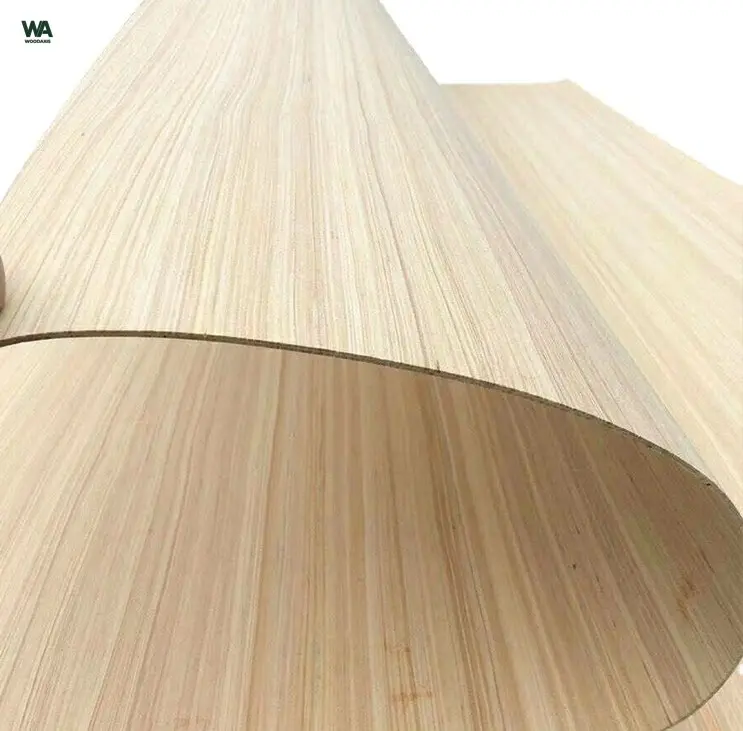
Bending Plywood, popularly known as Flexiply, is a specialized form of plywood engineered to bend into curved shapes with ease. Unlike standard plywood, which is rigid and prone to cracking when flexed, bending plywood is designed to achieve tight radii without the need for steam bending or complex kerf-cutting. It is the go-to material for architects, furniture designers, and high-end cabinetry makers.
How Bending Plywood Works
The secret to its flexibility lies in its unique construction. While traditional plywood layers are glued with alternating grain directions for stability, bending plywood is typically manufactured with unidirectional veneers. Most layers have the grain running in the same direction, allowing the board to flex perpendicular to the grain without breaking.
Key Types: Long Grain vs. Cross Grain
When ordering bending plywood, it is critical to understand the direction of the flex:
Long Grain (Column Flex): The grain runs along the length of the 8ft side (in a standard 4×8 sheet). When bent, it forms a tall, skinny “column” or tube.
Cross Grain (Barrel Flex): The grain runs across the 4ft width. When bent, it forms a wide “barrel” shape.
Technical Specifications & Features
Common Thicknesses: Generally available in 3mm (1/8″), 5mm (1/5″), 8mm (1/3″), and 12mm (1/2″).
Minimum Bending Radius: Depending on the thickness, it can achieve a radius as tight as 2 to 3 inches (50-75mm).
Wood Species: Usually crafted from lightweight hardwoods like Poplar, Birch, or various tropical hardwoods that offer high elasticity.
Surface Finish: The face is often smooth and sanded, making it ideal for applying veneers, high-pressure laminates (HPL), or paint.
Top Applications for Bending Plywood
Bending plywood is essential for any project involving non-linear shapes:
Curved Furniture: Round coffee tables, ergonomic chairs, and curved bed frames.
Commercial Interiors: Curved reception desks, rounded bar fronts, and decorative partitions.
Architectural Features: Wrapping round columns, creating arched doorways, and spiral staircase soffits.
Cabinetry: Rounded corner cabinets and custom curved vanities.
Why Choose Bending Plywood?
Labor Efficiency: Eliminates the need for “kerfing” (cutting slits in the back of the wood), saving hours of manual labor.
Structural Integrity: Once glued in layers (laminated) and set on a frame, it becomes incredibly rigid and maintains its shape permanently.
Smooth Aesthetics: Provides a seamless, continuous curve without the “flat spots” or “facets” often seen in DIY bending methods.
Cost-Effective: Reduces material waste and specialized equipment costs (like steam boxes).
Installation Tip for Best Results
To achieve a permanent, heavy-duty curved structure, professionals typically laminate two or more layers of bending plywood together using a curved mold or frame. Once the wood glue dries between the layers, the “spring-back” effect is minimized, and the structure becomes self-supporting.